
Tuesday, November 3, 2026Nov 3

This story is free to read.

Kudzu bugs spread into DC area, southern Delaware, Arkansas

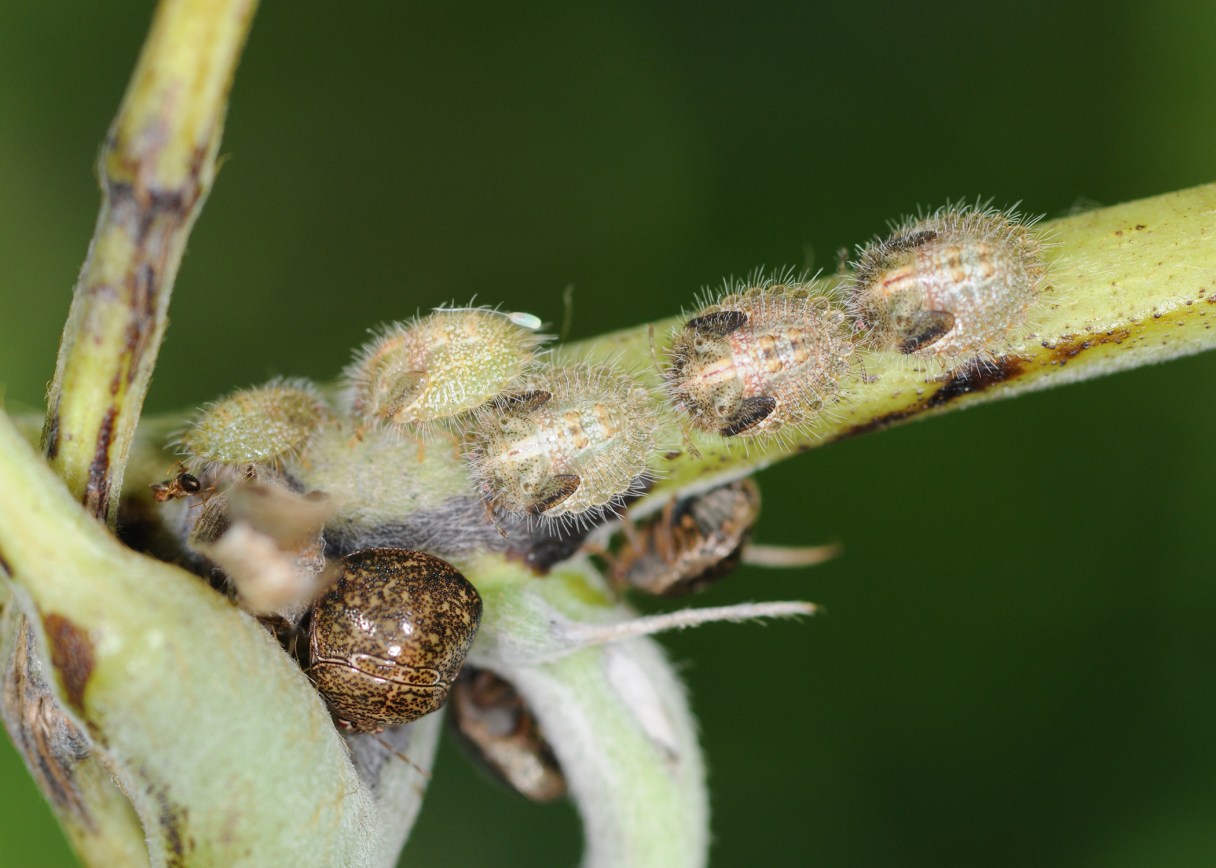
This Sept. 21, 2012 photo made available by Mississippi State University shows brown-colored adult and light-colored nymph kudzu bugs on a plant stem. The invasive insects feed on kudzu and soybean plants and can irritate human skin upon contact.  In the 5 1/2 years since kudzu bugs were first spotted in Georgia, they have spread 400 to 500 miles west and north. They’ve been found in Louisiana, Arkansas, Washington, D.C., and its suburbs, and in southern Delaware.  Scientists don’t know how to stop the spread. (AP Photo/Mississippi State University, Blake Layton)
This Sept. 21, 2012 photo made available by Mississippi State University shows brown-colored adult and light-colored nymph kudzu bugs on a plant stem. The invasive insects feed on kudzu and soybean plants and can irritate human skin upon contact. In the 5 1/2 years since kudzu bugs were first spotted in Georgia, they have spread 400 to 500 miles west and north. They’ve been found in Louisiana, Arkansas, Washington, D.C., and its suburbs, and in southern Delaware. Scientists don’t know how to stop the spread. (AP Photo/Mississippi State University, Blake Layton) This Sept. 21, 2012 photo made available by Mississippi State University shows brown-colored adult and light-colored nymph kudzu bugs on a plant stem. The invasive insects feed on kudzu and soybean plants and can irritate human skin upon contact. In the 5 1/2 years since kudzu bugs were first spotted in Georgia, they have spread 400 to 500 miles west and north. They’ve been found in Louisiana, Arkansas, Washington, D.C., and its suburbs, and in southern Delaware. Scientists don’t know how to stop the spread. (AP Photo/Mississippi State University, Blake Layton)

NEW ORLEANS (AP) – The pea-sized bugs look a bit like ticks, can suck one-fifth of the yield out of a soybean field, and travel by highway. In the 5 1/2 years since kudzu bugs were first spotted in Georgia, they have spread 400 to 500 miles west and north. They’ve been found in Louisiana, Arkansas, Washington, D.C., and its suburbs, and in southern Delaware.

Mississippi State University entomologist Blake Layton says scientists don’t know any way to stop the spread.

University of Georgia entomologist Wayne Gardner says that ultimately, cold winters and lack of kudzu probably will decide just how far the insects spread.

Their favorite food is kudzu, but Gardner says they can also get through Southern winters on soybean plants. He doesn’t know if they’d be able to survive Midwestern winters.