
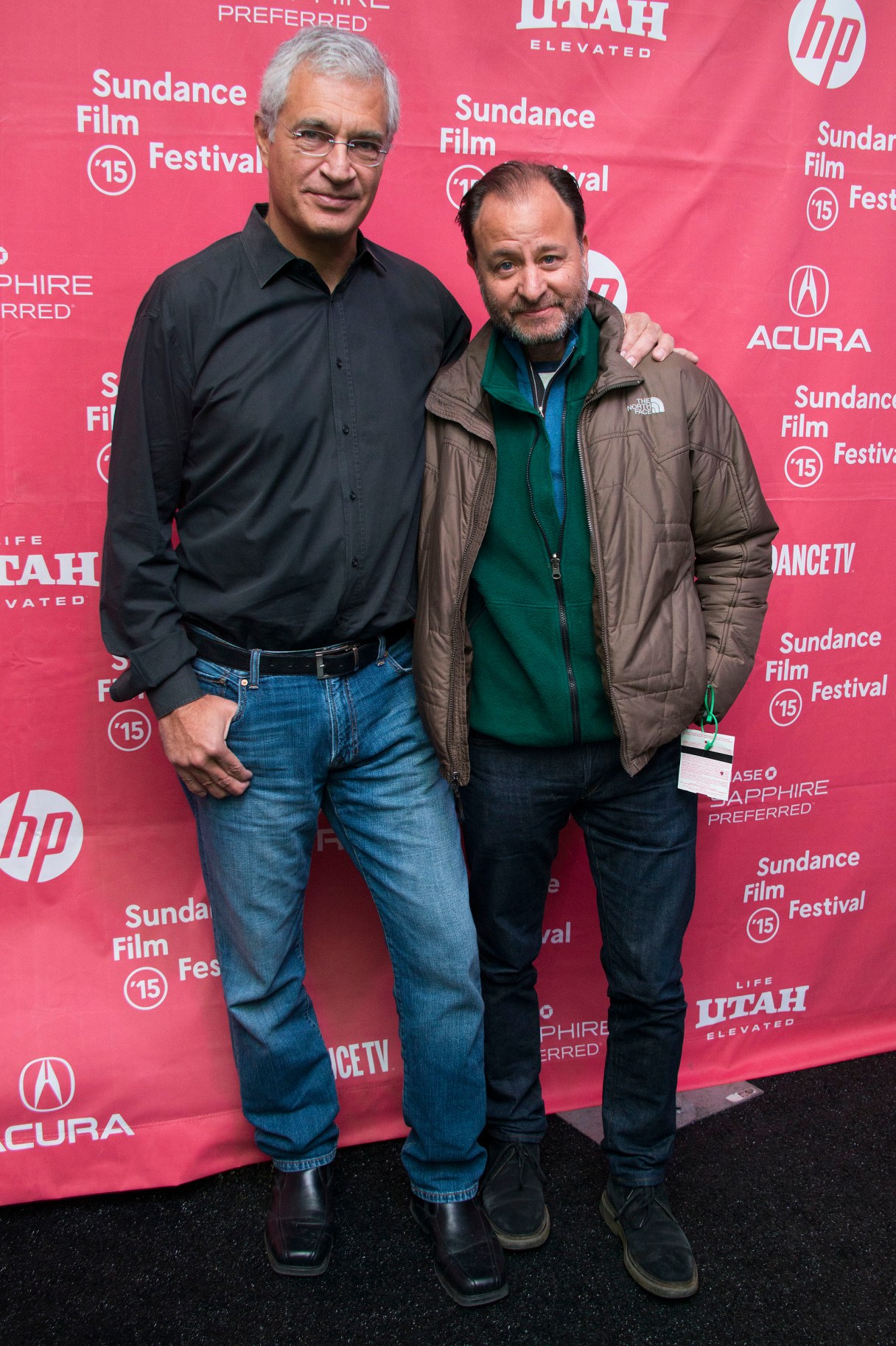
PARK CITY, Utah (AP) – It’s not too late to save the planet, but documentarian Louis Psihoyos says the time is now.
The filmmaker behind 2009’s Oscar-winning documentary “The Cove” returns to the natural environment for his latest film, “Racing Extinction,” which premiered Saturday at the Sundance Film Festival.
“Documentaries, to me, are the most powerful way to change the world,” he said. “My hope is that if you can show people the beauty of these animals, there’s a chance to save these things.”
Where “The Cove” shone a spotlight on the abuse of dolphins and other underwater wildlife, “Racing Extinction” expands the scope to life on land, as well. Accompanied by scientists and environmental activists, Psihoyos, a former National Geographic photographer, explores how human beings are hastening a “massive extinction event” the likes of which the planet hasn’t experienced since the dinosaurs disappeared.
Besides the illegal harvesting of shark fins and whales for exotic cuisine, the film points to methane and carbon dioxide emissions as the key reasons more than half the world’s species could become extinct in the next century.