
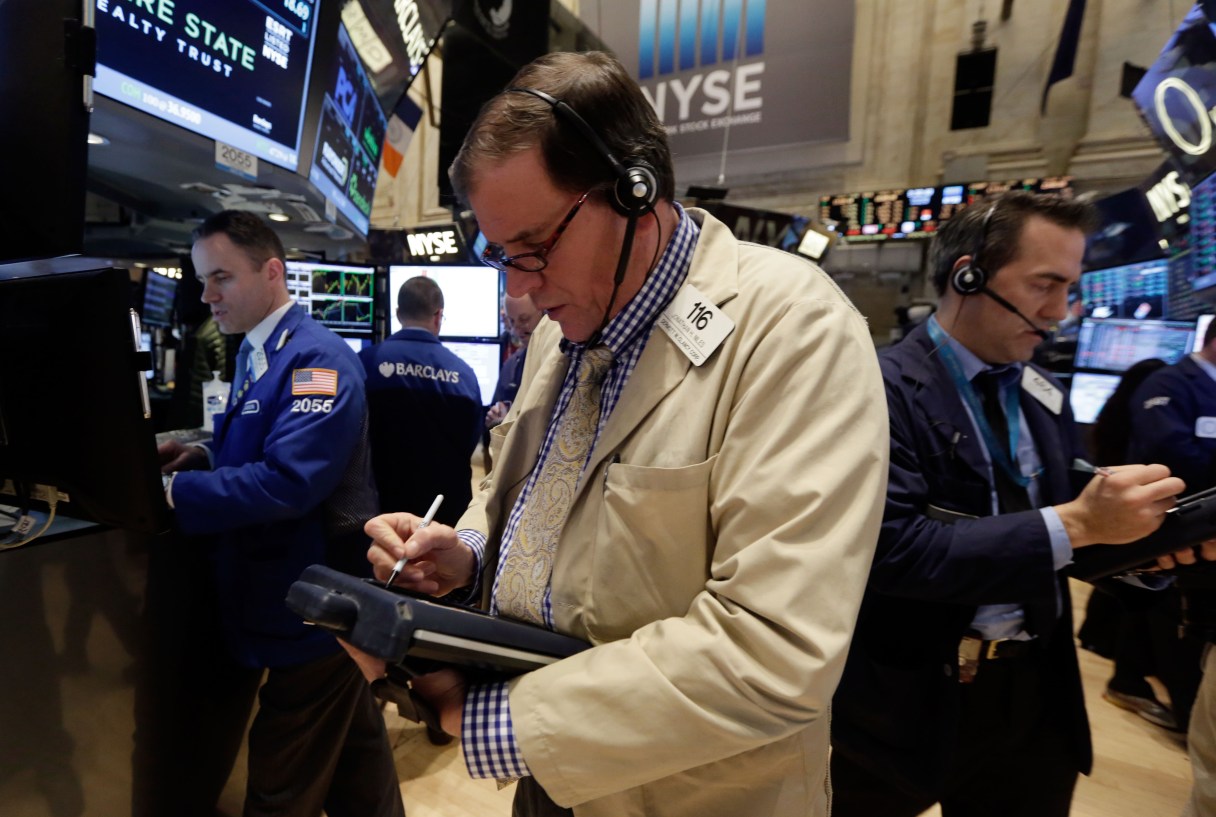
TOKYO (AP) – Asian stock markets sank Thursday after plunging oil prices and the Federal Reserve’s reminder it is still on track to raise interest rates this year led to a dismal day on Wall Street. The release of weaker-than-expected retail sales figures in Japan was another reason for gloom.
KEEPING SCORE: Japan’s Nikkei 225 slipped 0.9 percent to 17,644.31 and Hong Kong’s Hang Seng fell 1.1 percent to 24,588.54. The Shanghai Composite Index shed 1.4 percent to 3,257.88. South Korea’s Kospi was 0.4 percent lower at 1,954.55. Australia’s S&P 200/ASX added 0.3 percent to 5,569.50. Markets in Southeast Asia were mixed.
FED MEETING: The Federal Reserve issued its first policy statement of the year, making clear that it would remain “patient” in raising interest rates from near zero, which was expected. But it also strengthened its assessment of the U.S. economy, noting it is expanding at a solid pace and generating strong job growth.
THE QUOTE: “The fact is no one knows when a rate hike will occur,” IG’s chief market strategist Chris Weston said in a commentary. “And, while the Fed would like to be in a position to raise, the lessons of 1938 still haunt them: raising rates too early caused the second leg of the Great Depression.”
WHITHER ABENOMICS: The 0.3 percent month-on-month drop in Japan’s retail sales in December may just reflect weaker gas prices, but core spending was also sluggish during one of the busiest shopping seasons of the year, economists said. The data adds to doubts about whether Prime Minister Shinzo Abe’s policies to revive the long stagnant Japanese economy are delivering the goods.