
Monday, November 16, 2026Nov 16

Even with low prices, US oil industry pushing for exports

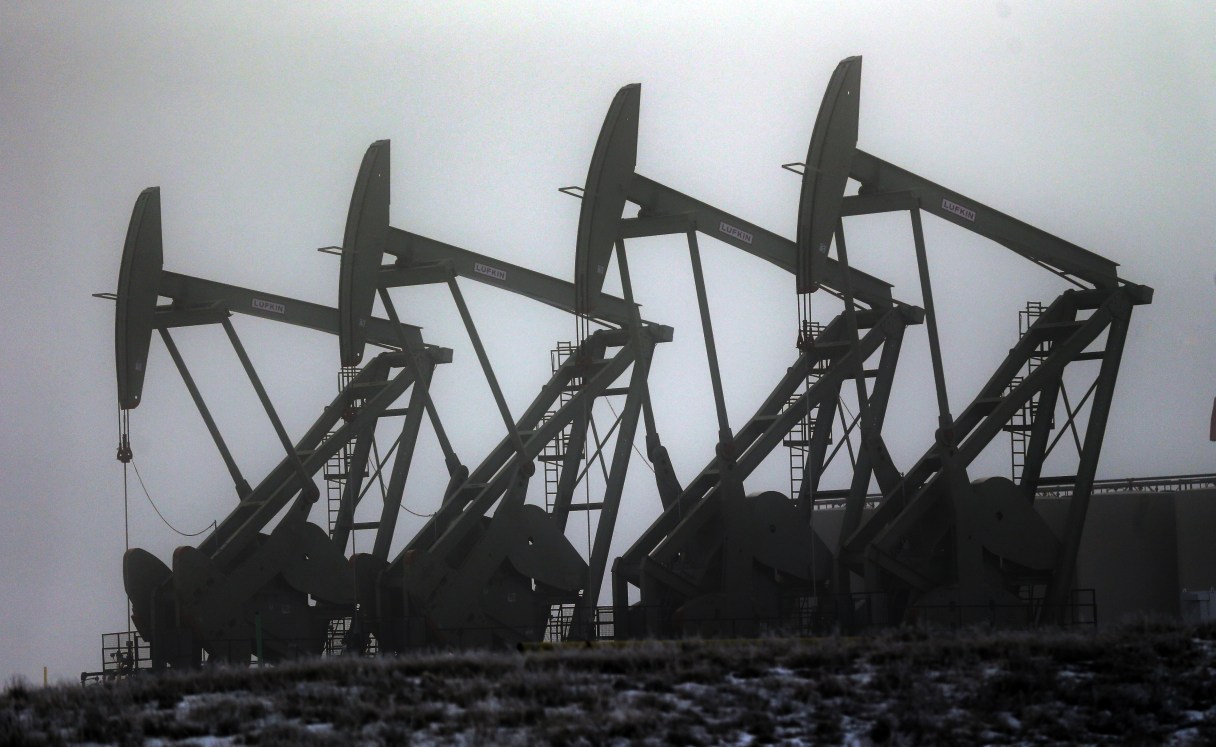
In this photo taken Dec. 19, 2014, oil pump jacks work in unison, in Williston, N.D. Never mind dropping oil prices. U.S. producers are pushing harder than ever for the right to sell U.S. crude oil overseas. It might seem counterintuitive: Oil prices are as low as they have been at any point since 2009 and the height of the Great Recession. Depending on the projection, prices could drop further still with slowing economies across the world. Oil producers are playing a longer game, betting that long-term demand remains strong and new markets offer lucrative rewards for U.S. producers.  (AP Photo/Eric Gay)
In this photo taken Dec. 19, 2014, oil pump jacks work in unison, in Williston, N.D. Never mind dropping oil prices. U.S. producers are pushing harder than ever for the right to sell U.S. crude oil overseas. It might seem counterintuitive: Oil prices are as low as they have been at any point since 2009 and the height of the Great Recession. Depending on the projection, prices could drop further still with slowing economies across the world. Oil producers are playing a longer game, betting that long-term demand remains strong and new markets offer lucrative rewards for U.S. producers. (AP Photo/Eric Gay)

WASHINGTON (AP) – Never mind dropping oil prices. U.S. producers are pushing harder than ever for the right to sell U.S. crude oil overseas.

It might seem counterintuitive: Oil prices are as low as they have been at any point since 2009 and the height of the Great Recession, and some predict they could drop further still.

But oil producers are playing a longer game, betting that long-term demand remains strong and new markets offer lucrative rewards for U.S. producers.

Supporters see possible inroads with a Republican Congress as well as some signs that the Obama administration will at least consider changes to the longstanding policy.

Opponents say exporting oil now would send gas prices higher and prevent the U.S. from achieving a goal of energy independence.