
Monday, November 16, 2026Nov 16

Trade schools have to find grads jobs, or lose financial aid

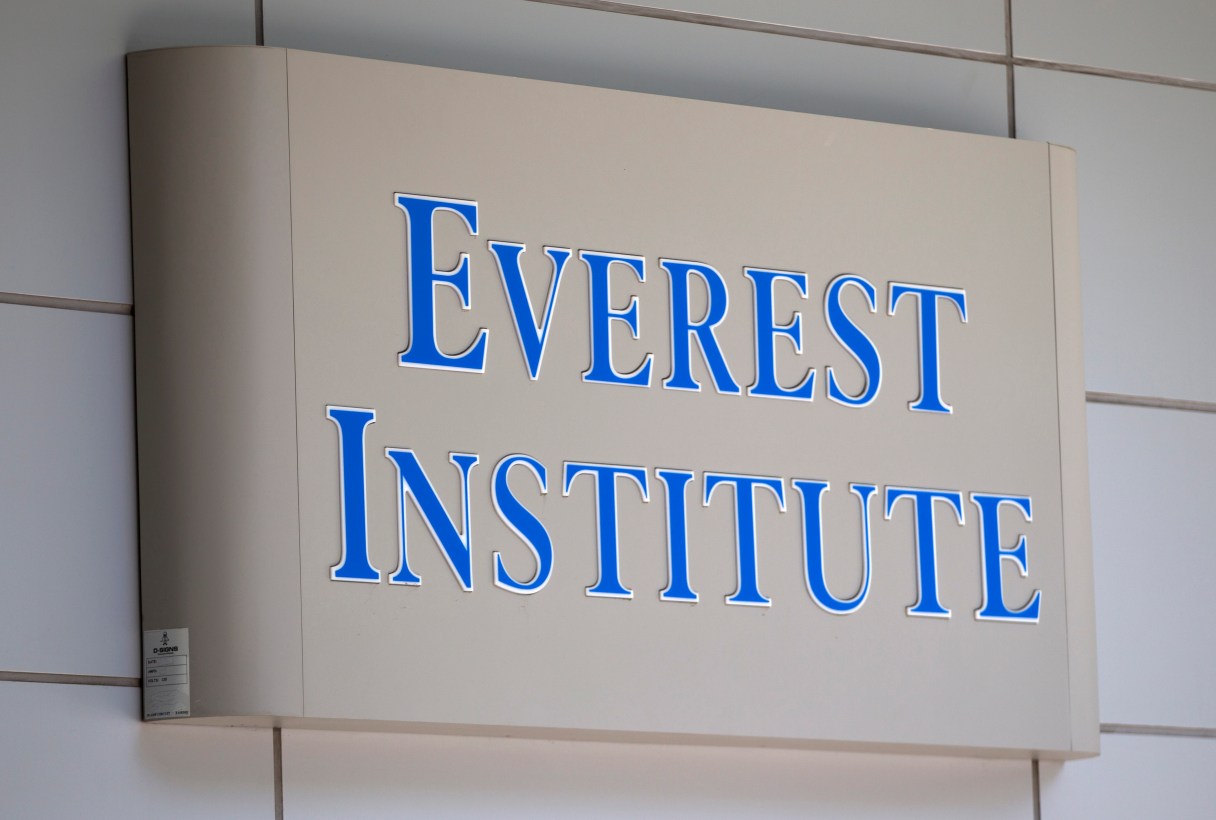
FILE - This July 8, 2014 file photo shows an Everest Institute sign on an office building in Silver Spring, Md. In the two decades since trade schools started popping up on U.S. stock exchanges to maximize profits, allegations of misconduct have been rampant. On July 1, 2015, new rules go into effect for any school with a career-training program. The Education Department estimates it loaned some $3.6 billion in the past five years to Corinthian students before the government forced it to sell or close its campuses.  (AP Photo/Jose Luis Magana, File)
FILE - This July 8, 2014 file photo shows an Everest Institute sign on an office building in Silver Spring, Md. In the two decades since trade schools started popping up on U.S. stock exchanges to maximize profits, allegations of misconduct have been rampant. On July 1, 2015, new rules go into effect for any school with a career-training program. The Education Department estimates it loaned some $3.6 billion in the past five years to Corinthian students before the government forced it to sell or close its campuses. (AP Photo/Jose Luis Magana, File)

WASHINGTON (AP) – New rules from the Education Department are going into effect for any college offering a career-training program: They have to prove their graduates earn enough money to repay their student loans.

Supporters say the rules are needed to rein in the for-profit college sector, which they say has preyed on low-income minorities because of their eligibility for federal student aid.

Backers of the industry say they are being unfairly targeted and that many public universities wouldn’t be able to defend their degrees either under the new metrics.

Twenty years ago, trade schools started popping up on U.S. stock exchanges to maximize profits. Since then, allegations of misconduct have been rampant.

For-profit schools consistently take in more federal loan money than nonprofit schools, despite enrolling a smaller number of students.