
Monday, November 16, 2026Nov 16

Report: Polar bears’ fate tied to reversing global warming

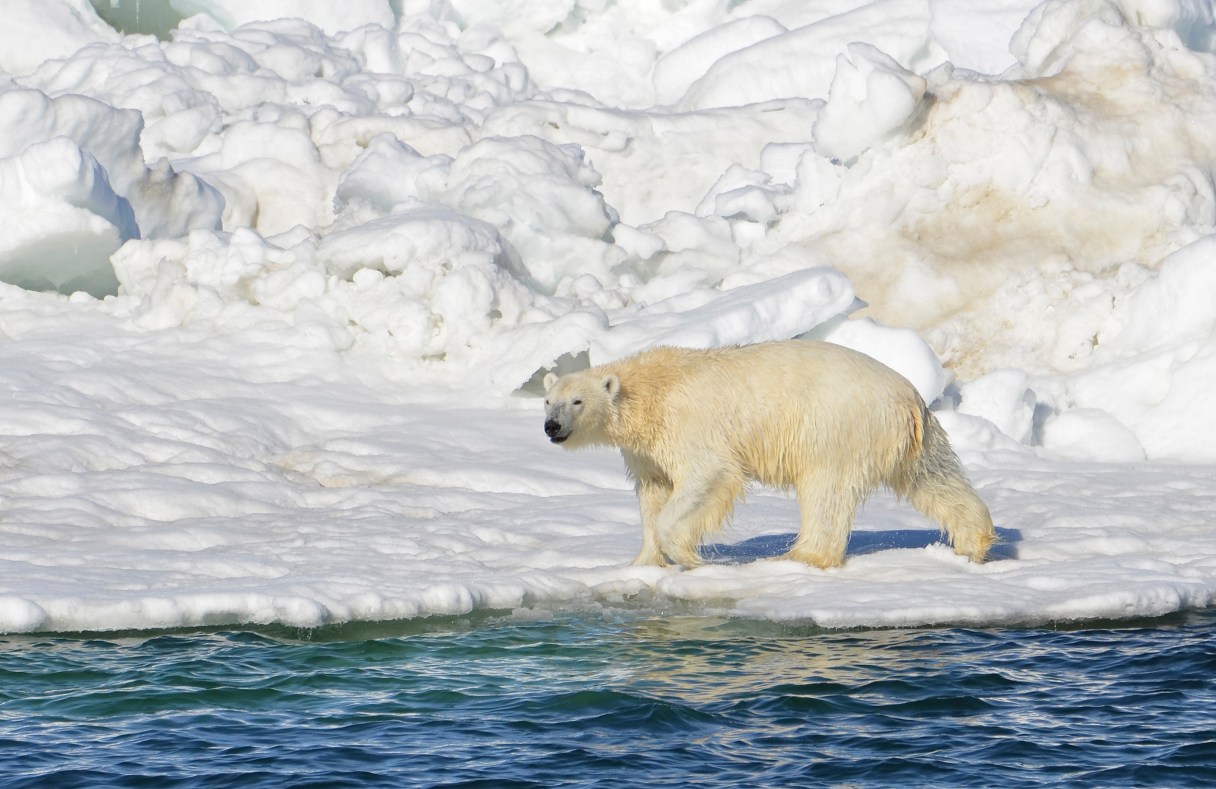
FILE - In this June 15, 2014 file photo, a polar bear dries off after taking a swim in the Chukchi Sea in Alaska. About a third of the world's polar bears could be in imminent danger from greenhouse gas emissions in as soon as a decade, a U.S. government report shows. The U.S. Geological Survey, the Interior Department's research arm, said updated scientific models don't bode well for polar bear populations across the world, especially in Alaska, the only state in the nation with the white bears. (Brian Battaile/U.S. Geological Survey via AP, File)

ANCHORAGE, Alaska (AP) – If humans don’t reverse global warming and stop the loss of sea ice, it’s unlikely polar bears will continue as a species.

That’s the blunt assessment in the U.S. Fish and Wildlife Service’s draft recovery plan for polar bears filed Thursday. The agency listed the animals as threatened in 2008.

Greenhouse gas emissions contribute to global warming, which is reducing the amount of summer sea ice in the Arctic. Polar bears use sea ice for feeding, mating and giving birth.

The plan says the first and foremost action for polar bear recovery is to stop Arctic warming. It says accomplishing that will require global action.

The estimated worldwide population of polar bears is about 20,000 to 25,000. The only U.S. state with the iconic animals is Alaska, and government scientists say those bears could be among the first to see global warming’s ill effects.