
THE HAGUE, Netherlands (AP) – Europe’s monetary union appears saved. For now.
Although relief prevailed after Monday’s Greek bailout announcement, key questions remain about whether the euro currency will remain sustainable in the long-term – and even whether the European Union itself remains a viable project.
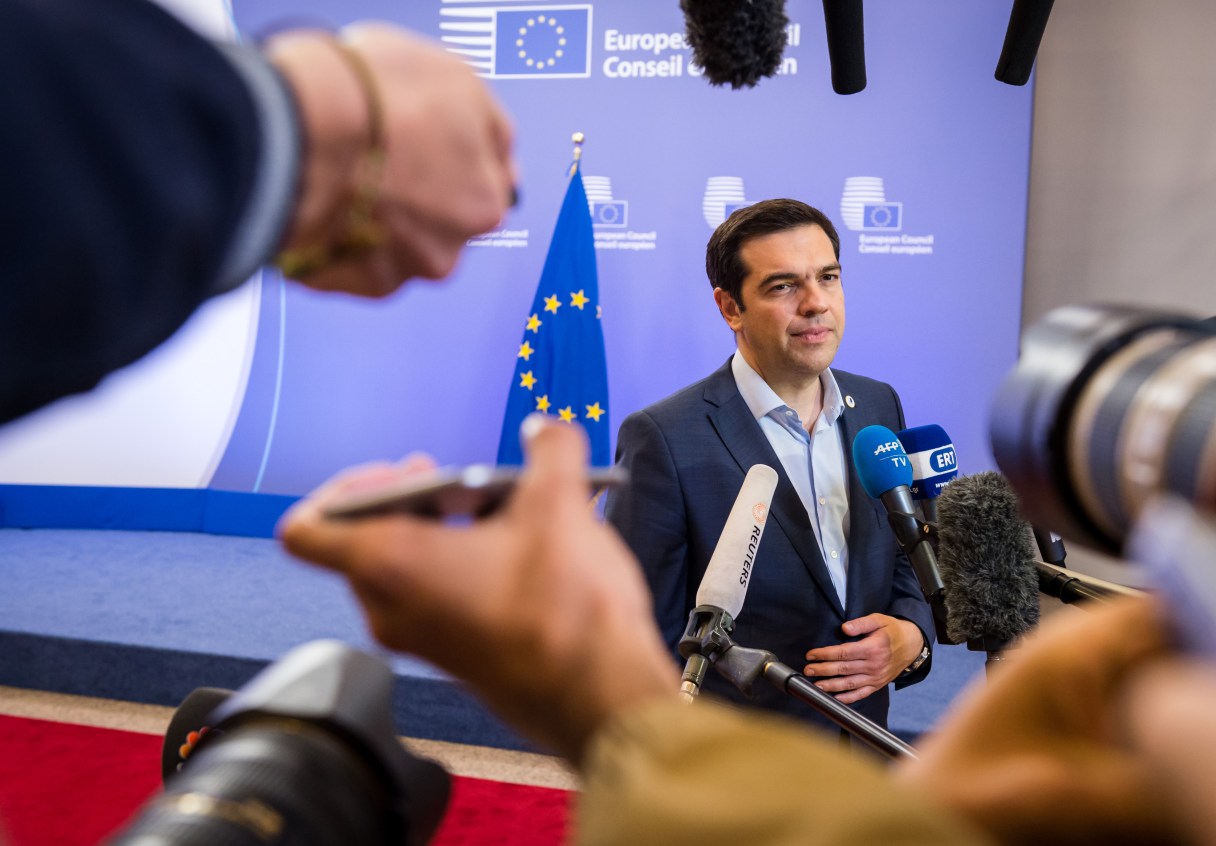
The weekend’s marathon negotiations over Greece’s third multi-billion euro bailout in five years put Prime Minister Alexis Tsipras on notice that if he does not push through deeply unpopular economic reforms, his country could still be cut off from aid and face the risk of a painful exit from the euro. It was not clear whether Greeks would play along with the painful measures, and tussles between Germany and France over the terms of the bailout also showed key divisions between the engines of European unity.
The upshot of the saga: Europe is still heading into a prolonged period of uncertainty.
Some, however, saw the tough terms of the bailout agreement breathing new life into the euro itself, shared by 19 countries in the 28-strong European Union. Zsolt Darvas of the Bruegel think tank in Brussels said a more stable and stronger currency could emerge from the drama of the past week.