
Monday, November 16, 2026Nov 16

Sleuths trace fate of 1st black male slave freed by Lincoln

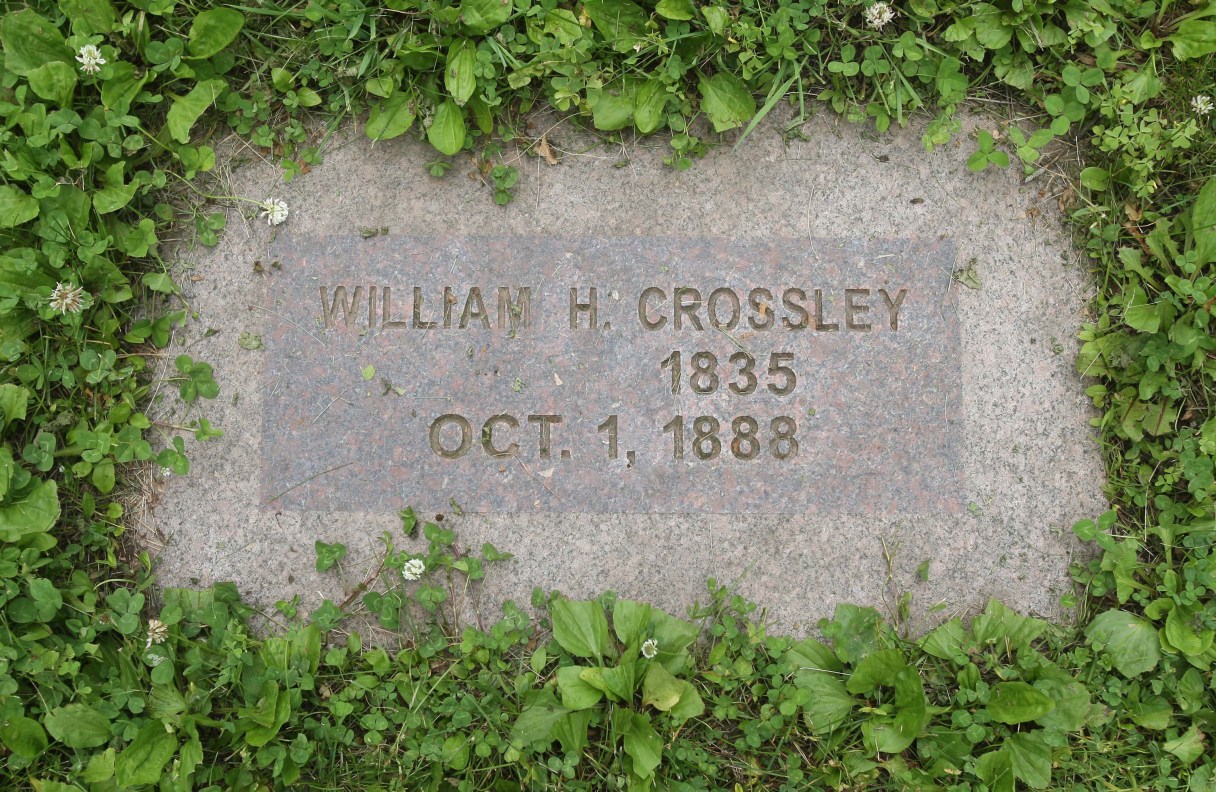
In this June 17, 2015, photo, the grave of a man considered the first black male slave freed by Abraham Lincoln is shown at the Rochester State Hospital Cemetery in Rochester, Minn. William Henry Costley was just 10 months old in 1841 when a young Lincoln won a case before the Illinois Supreme Court that freed his mother Nance Legins-Costley from indentured servitude, a status tantamount to slavery. As her son, Costley was essentially a slave, too. Carl Adams published a book on Nance Legins-Costley, last year. After piecing together spellings that varied on William Costley's name, and pension and hospital records, Adams and his collaborators then used records at the Minnesota Historical Society to trace his grave to the cemetery of the now-closed Rochester State Hospital.(Scott Jacobson /The Rochester Post-Bulletin via AP)

MINNEAPOLIS (AP) – Researchers believe they found the grave of a man who could be considered the first black male slave freed by Abraham Lincoln, tracking his final resting place to the cemetery of a former Minnesota psychiatric hospital.

William Henry Costley was just 10 months old in 1841 when Lincoln, who was still a young lawyer, won an Illinois Supreme Court case freeing Costley’s mother from indentured servitude – a status that historians say would have been akin to enslavement for the black woman and child at that time. That was 22 years before Lincoln, as president, issued the Emancipation Proclamation, declaring slaves in rebel states not under Union control free.

Nance Legins-Costley and her son William were from Pekin, a central Illinois community about 130 miles southwest of Chicago, which is what drew the interest of a local amateur historian, Carl Adams. Adams, who now lives in Stuttgart, Germany, spent years researching her and her children’s lives . Last year he published “Nance: Trials of the First Slave Freed by Abraham Lincoln – A True Story of Nance Legins-Costley.”

In his book, Adams writes that after winning her lengthy legal battle for freedom, Legins-Costley, who had been born to slaves and sold twice before Lincoln took up her cause, lived to a ripe old age in Pekin. Military records helped Adams retrace her son’s steps, but finding his gravesite required the help of a curator at the Abraham Lincoln Presidential Library and Museum in Springfield, Illinois, and a historical researcher in Minnesota.

“We are 99.9 percent certain that this is William H. Costley,” Adams said of the gravesite.