
 Astec Industries
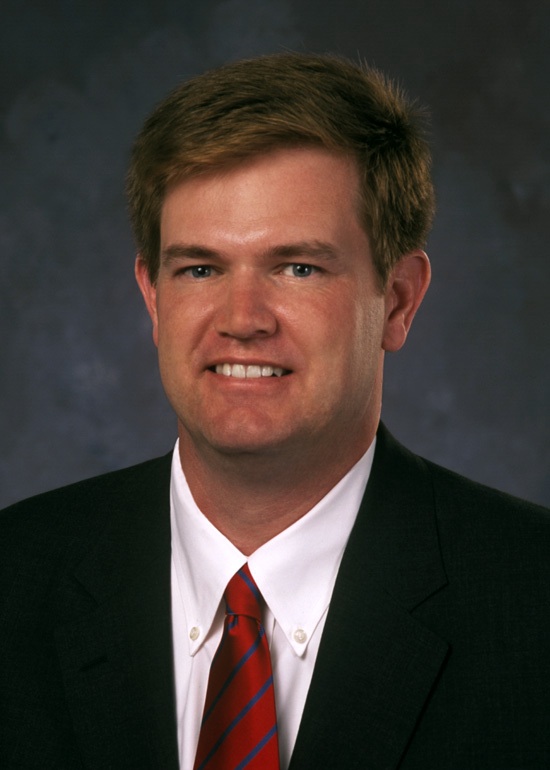 Ben Brock
Despite an increase in its domestic, private paving business, Astec Industries was hurt this spring by delays in congressional approval for a long-term highway bill at home and currency fluctuations for international sales abroad.
The Chattanooga-based manufacturer said Tuesday its second quarter income fell 19 percent from a year ago to $11.8 million, or 51 cents per share.
The results fell 20 cents per share short of the consensus forecast among Wall Street analysts surveyed by Zacks Investment Research. Astec revenues of $268 million in the period also were $27.5 million below the average forecast by Street forecasts.
“We were disappointed in our second quarter results, but we are pleased with our year-to-date results which were up 12 percent over last year,” Astec CEO Benjamin G. Brock told industry analysts in a conference call Tuesday. “Although the strong U.S. dollar has hampered our international sales and backlog, we remain committed to our international sales effort and we will continue to develop new products for targeted global markets.”
International backlog dropped nearly in half to $57.5 million “primarily because of the strengthening of the U.S. dollar” and the slowdown in global mining, Brock said. Astec’s domestic backlog grew over the past year, however.
In the U.S. market, Brock said demand is growing, but Brock said the continued delay in a highway bill has left many asphalt equipment companies reluctant to make major capital purchases until there is a sustained commitment to road projects.
“Regardless of what happens over the next 10 days in Washington, D.C., (before the summer recess by Congress), we’re optimistic that there will be a long-term highway bill of some kind passed in this calendar year,” Brock said.
Brock said he is confident that Astec’s third quarter earnings will be up from last year. That optimism helped lift Astec shares Tuesday by 13 cents per share to close at $41.59 per share.
Astec Industries shares have climbed 5.8 percent since the beginning of the year but the company’s stock is still down nearly 3 percent in the past 12 months.