
WASHINGTON (AP) – The State Department on Monday took Malaysia and Cuba off its blacklist of countries failing to combat modern-day slavery, leaving the U.S. open to criticism that politics is swaying the often-contentious rankings in its annual human trafficking report.
Thailand, downgraded with Malaysia last year because of pervasive labor abuses in its lucrative fishing industry, remained on the blacklist. That will add to the growing strains in its once-strong relations with Washington. Critics contend that Malaysia’s upgrade is related to its participation in a U.S.-backed trade agreement among Pacific Rim countries. Thailand is not part of the proposed agreement.
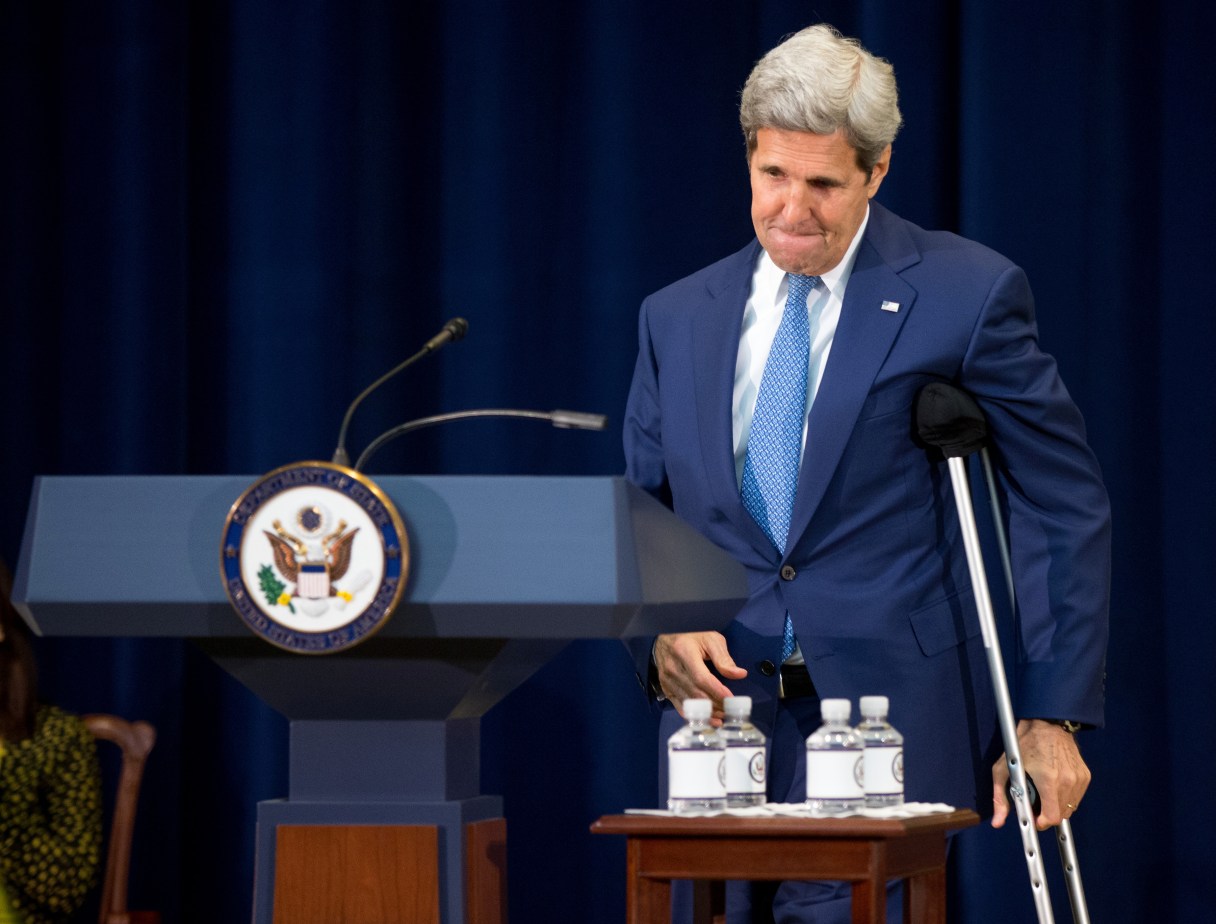
Secretary of State John Kerry formally launched the annual U.S. assessment of how 188 governments around the world have performed in fighting the flesh trade and other forms of exploitative labor.
Cuba has for several years been stuck on the lowest ranking, “tier 3,” amid allegations, denied by Havana, of coerced labor with Cuban government work missions abroad. Its upgrade comes a week after the U.S. and Cuba formally restored diplomatic relations after a half-century of estrangement. The U.S. also removed Cuba from its list of state sponsors of terrorism in late May.
Undersecretary of State Sarah Sewall cited Cuba’s progress in addressing sex trafficking but voiced concern the island nation’s government has failed to recognize the problem of forced labor. She denied political considerations had come into play in the rankings.