
Friday, November 13, 2026Nov 13

WHO works to reform itself after fumbling Ebola response

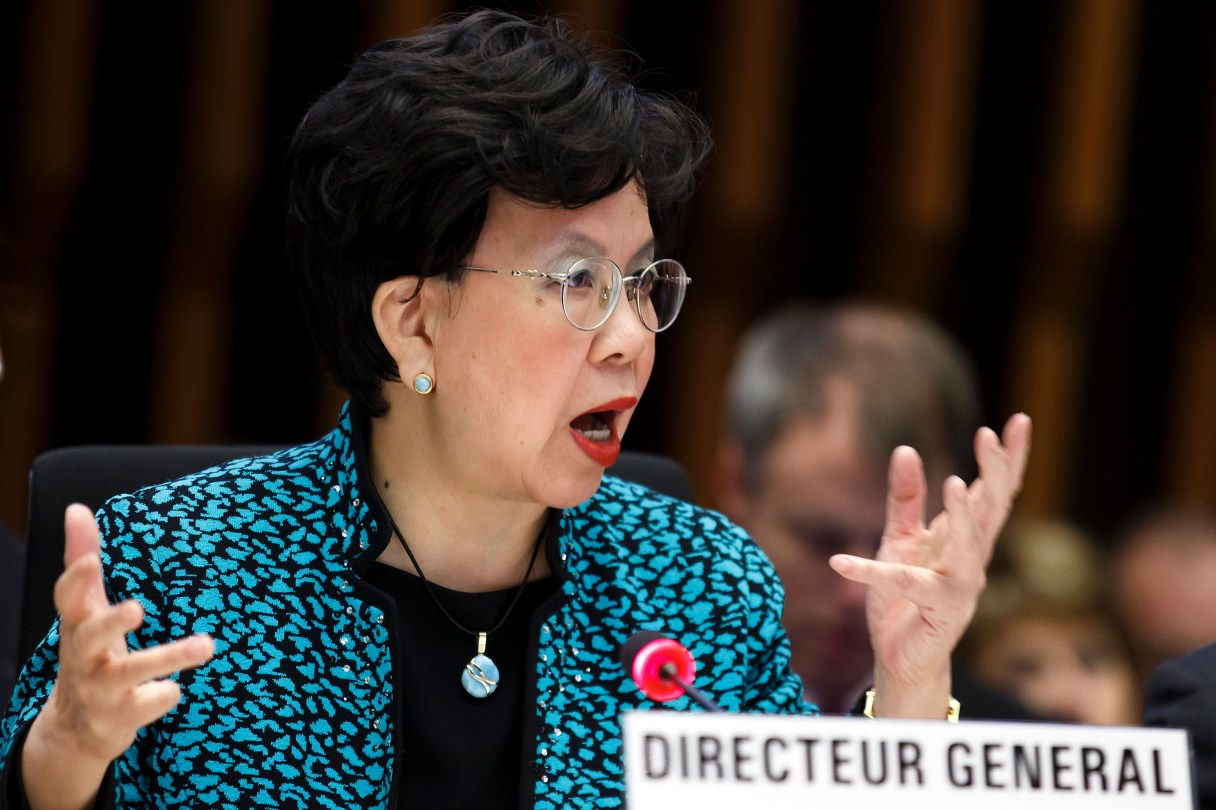
FILE - In this Sunday, Jan. 25, 2015 file photo, China's Margaret Chan, Director General of the World Health Organization, WHO, addresses her statement during the special session on Ebola of the Executive Board, at the headquarters of the WHO in Geneva, Switzerland. An experimental vaccine tested on thousands of people in Guinea exposed to Ebola seems to work and might help shut down the ongoing epidemic in West Africa, according to interim results from a study published Friday, July 31, 2015.  (Salvatore Di Nolfi/Keystone via AP, File)
FILE - In this Sunday, Jan. 25, 2015 file photo, China's Margaret Chan, Director General of the World Health Organization, WHO, addresses her statement during the special session on Ebola of the Executive Board, at the headquarters of the WHO in Geneva, Switzerland. An experimental vaccine tested on thousands of people in Guinea exposed to Ebola seems to work and might help shut down the ongoing epidemic in West Africa, according to interim results from a study published Friday, July 31, 2015. (Salvatore Di Nolfi/Keystone via AP, File) FILE - In this Sunday, Jan. 25, 2015 file photo, China's Margaret Chan, Director General of the World Health Organization, WHO, addresses her statement during the special session on Ebola of the Executive Board, at the headquarters of the WHO in Geneva, Switzerland. An experimental vaccine tested on thousands of people in Guinea exposed to Ebola seems to work and might help shut down the ongoing epidemic in West Africa, according to interim results from a study published Friday, July 31, 2015. (Salvatore Di Nolfi/Keystone via AP, File)

LONDON (AP) – The World Health Organization’s chief Dr. Margaret Chan says the agency is working to reform itself in the wake of its bungled response to last year’s Ebola outbreak in West Africa.

Chan said new protocols were being developed for how the agency functions during health emergencies. The agency has previously proposed creating a specialized center within WHO to handle emergencies that would be self-managed.

WHO has been criticized for its failure to get a handle on Ebola, a virus which has killed more than 11,000 people, mainly in Guinea, Sierra Leone and Liberia. As WHO struggled, a special international body – the UN Mission for Ebola Emergency Response – was set up to help manage the response and a panel was commissioned to propose institutional reforms.

Among its recommendations: An emergency arm which would operate independently of WHO bureaucracy.

David Nabarro, the head of the UN mission, said WHO had already absorbed some of the lessons of the outbreak, recovering its leadership role in West Africa and deploying more 1,000 staffers to the field.