
Ten days have come and gone since the University of North Carolina received its notice of allegations from the NCAA regarding the bogus African-American studies classes the school allegedly used to help numerous athletes remain eligible.
Because UNC has yet to release those allegations to the public, no one knows specifically what they are or how dramatically the Tar Heels’ sports teams could be impacted.
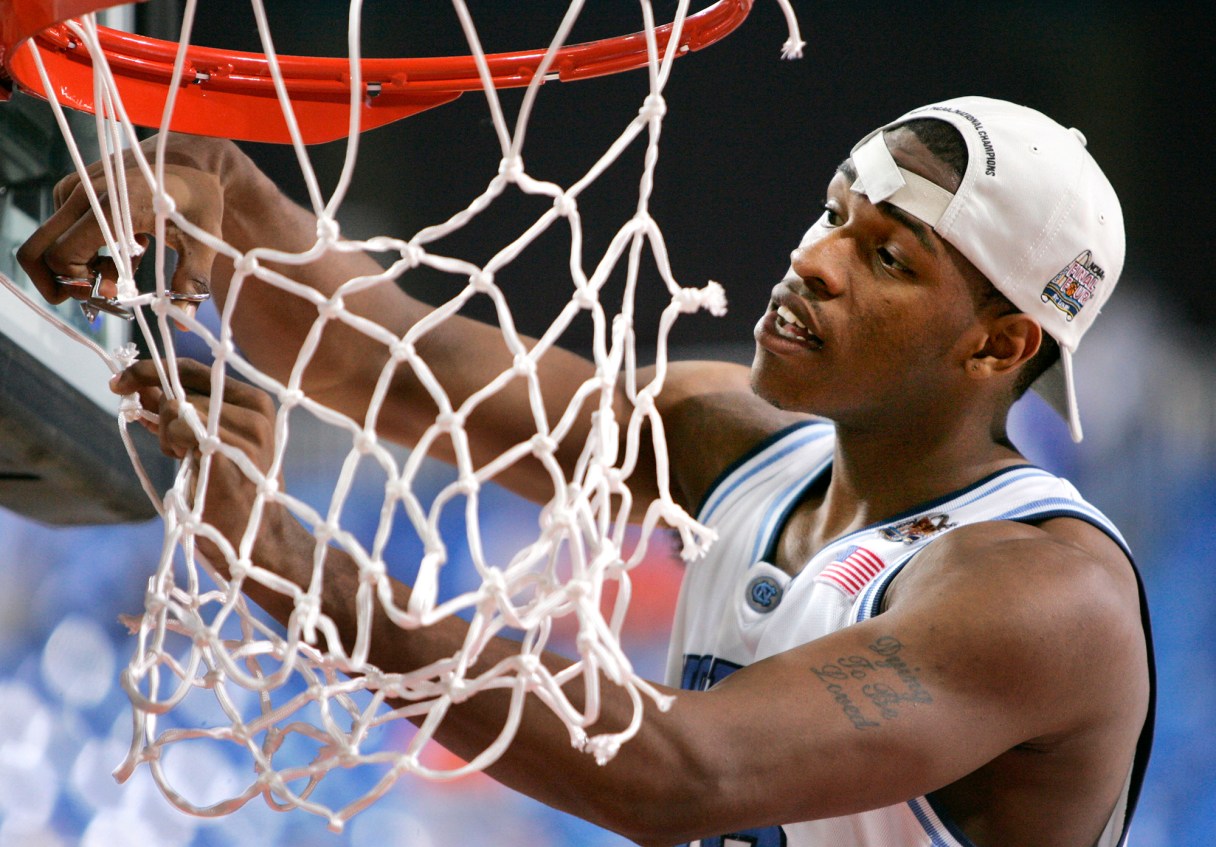
Could they lose scholarships? Past victories? Maybe even that 2005 NCAA men’s basketball crown Rashad McCants played a large role in securing, considering McCants’ whistle-blowing is what pushed this entire mess to DEFCON 1 status for Tar Heel Nation?
We don’t know. And while UNC figures to release a condensed version of the charges in the fairly near future, the NCAA’s response — and ultimately, its ruling — may not be known until March 2016, right about the time Roy Williams’ hoops squad figures to be one of three or four favorites (along with Kansas, Duke and Louisville) to make a serious run at the title.
Those unknowns caused NBCSports.com’s Rob Dauster to pen a fascinating column last week arguing the only wrong the NCAA could commit in penalizing UNC was if it took away the 2015-16 Tar Heels’ right to compete for the championship.
His reasoning was as follows: “If the NCAA is to get this punishment right, under no circumstances should the Tar Heels be given a 2016 postseason ban. None. Because the people that would be bearing the brunt of that bludgeoning would be the athletes themselves. Not the ones that used those paper classes to stay eligible, win a national title and launch their NBA careers, but the ones that returned to school this spring, that decided to forgo the chance to turn pro and instead have the Tar Heels sitting at No. 1 in NBCSports.com preseason top 25.”
It’s a valid point on many levels. There is reportedly no evidence that anyone on the current UNC roster benefited from questionable academic courses. Indeed, they seem much closer to those who played for the late Dean Smith — bright, honorable kids who truly embody the now-ridiculed “Carolina Way.”
Dauster even offered up an enlightened idea as an alternative penalty. Ban the program from the 2017 postseason, which would almost assuredly wreck its upcoming recruiting class and possibly penalize the program for a couple of years to come.
That would allow next season’s team a chance to win it all but also bring at least a little bit of harsh justice to a program accused of recklessly and repeatedly breaking the most sacred of rules — academic integrity.
But allow me to offer a slightly different spin on Dauster’s idea. Given that the 2005 title appears to have been won by less than honorable means if McCants’ claims are true that he would have been academically ineligible without the bogus courses — he was UNC’s second-leading scorer that championship season and its third-leading scorer in the 75-70 win over Illinois for the title — why not let Tar Heels coach Roy Williams decide which penalty he’d prefer?
He could opt to retain that 2005 crown, his first as a head coach. Or he could vacate the 2005 title in order to let his loaded roster have a shot at the 2016 trophy.
Given that Williams’ Heels also won it all in 2009, he’d still be assured of owning one title regardless of what happens next season and beyond. He could also claim the moral high ground, saying that whether he agrees with the NCAA’s findings or not, he’ll surrender the 2005 title, because it certainly didn’t represent the high standards of the “Carolina Way.”
There’s also precedent here. In 1976, having run afoul of NCAA rules, Kentucky elected to play in that year’s Peach Bowl against North Carolina rather than sitting out that year’s bowl in order to be eligible for a bowl in 1977.
The following year, UK went 10-1 overall and 6-0 in the Southeastern Conference, which might have sent the Wildcats to the Sugar Bowl. It took them six more seasons to return to the postseason.
UNC will likely argue it’s unfair to assume the Tar Heels couldn’t have won the 2005 title without McCants, and it’s a somewhat solid argument, regardless of his sterling stats.
But no one knows that for certain. Just as the NCAA can’t say for certain Memphis couldn’t have reached the NCAA title game in 2008 without Derrick Rose. All logic points to the Tigers being merely a good team without the stunning point guard. And when the NCAA concluded Rose’s standardized test score was invalid, it stripped Memphis of its runner-up spot, along with its 38 total wins, despite its academic clearinghouse approving Rose to play earlier in the season.
Though it strains credibility, Memphis backers could argue the Tigers might have reached the NCAA title game without Rose. They could certainly argue they would have won most of their games without him. And as with any UNC argument concerning McCants, no one knows.
Just as no one yet knows what’s in the NCAA’s notice to UNC. But if it contains serious academic charges involving members of the 2005 championship team, both the school and its basketball coach might want to remove that banner from the Dean Dome’s rafters.
However painful that might be for UNC fans, 2005 team members and Williams — who has always sworn he knew nothing of the bogus classes — it’s the right thing to do. Not only for the Carolina Way, but also for all those current players who seem to have spent their careers rightly representing its lofty ideals, rather those past athletes who used it for a fraudulent shield to mask their academic wrongs.
Contact Mark Wiedmer at mwiedmer@timesfreepress.com.