
FLORENCE, Italy (AP) – As Italy’s economy was heading off a cliff, police couldn’t help but notice that the country’s Chinese communities were booming. Luxury cars rolled past Chinese betting parlors and garment factories. Chinese immigrants were buying up Italian coffee bars and real estate. Their prosperity, however, was not reflected in local tax records.
“What do they do with the money?” said Pietro Suchan, then deputy public prosecutor in Florence. “Do they eat it?”
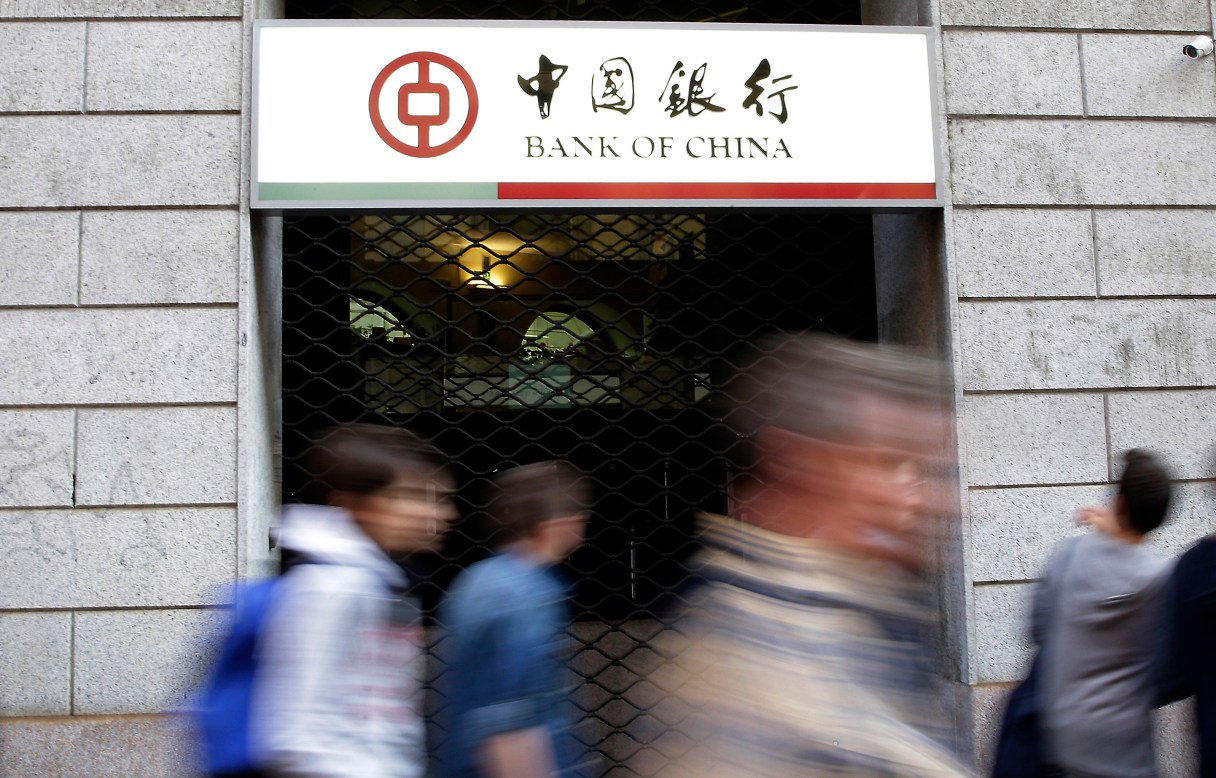
The answer, after a four-year investigation by Italy’s financial police, was no. They discovered that more than 4.5 billion euros ($4.9 billion) – the proceeds of counterfeiting, prostitution, labor exploitation and tax evasion – had been smuggled out of Italy to China in less than four years using a money-transfer service. Nearly half that money was funneled through one of China’s largest state banks, the Bank of China, which earned more than 758,000 euros in commissions on the transfers, according to Italian investigative documents obtained by The Associated Press.
Beijing, which is seeking Western help in hunting its own economic fugitives, did not cooperate with the investigation, Italian officials said.
Once the money left Italy, it vanished behind China’s great legal firewall.