
Sunday, November 1, 2026Nov 1

This story is free to read.

Choosing your own: Definition of race becoming fluid

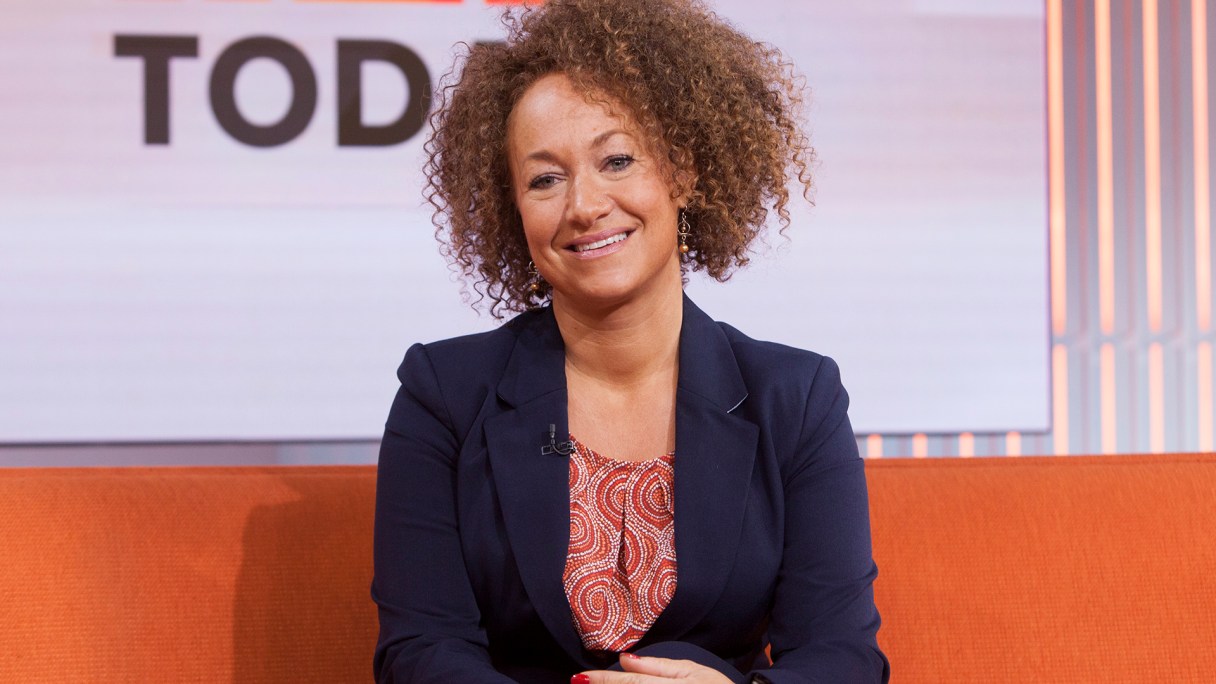
In this image released by NBC News, former NAACP leader Rachel Dolezal appears on the "Today" show set on Tuesday, June 16, 2015, in New York. Dolezal was born to two parents who say they are white, but she chooses instead to self-identify as black. Her ability to think she has a choice shows a new fluidity in race in a diversifying America, a place where the rigid racial structures that defined most of this country’s history seems, for some, to be falling to the wayside. (Anthony Quintano/NBC News via AP)
In this image released by NBC News, former NAACP leader Rachel Dolezal appears on the "Today" show set on Tuesday, June 16, 2015, in New York. Dolezal was born to two parents who say they are white, but she chooses instead to self-identify as black. Her ability to think she has a choice shows a new fluidity in race in a diversifying America, a place where the rigid racial structures that defined most of this country’s history seems, for some, to be falling to the wayside. (Anthony Quintano/NBC News via AP) In this image released by NBC News, former NAACP leader Rachel Dolezal appears on the "Today" show set on Tuesday, June 16, 2015, in New York. Dolezal was born to two parents who say they are white, but she chooses instead to self-identify as black. Her ability to think she has a choice shows a new fluidity in race in a diversifying America, a place where the rigid racial structures that defined most of this country’s history seems, for some, to be falling to the wayside. (Anthony Quintano/NBC News via AP)

WASHINGTON (AP) – Experts say the controversy over the racial identity of Rachel Dolezal shows how the definition of race is becoming fluid in a country that’s turning more diverse.

Dolezal resigned as leader of the NAACP’s Spokane, Washington, branch after questions surfaced about her racial identity. She told NBC on Tuesday that “I identify as black.” But her parents have identified her as white.

Millions of Americans changed racial or ethnic identities between the 2000 and 2010 censuses, even though their choices may have contradicted what their skin color appeared to be, or who their parents said they are.

In the past, race was determined mostly by what other people thought a person was. But now the Census Bureau allows people to choose a racial category, or even multiple categories.