
Sunday, November 1, 2026Nov 1

This story is free to read.

Vatican sets stage for family debate with working document

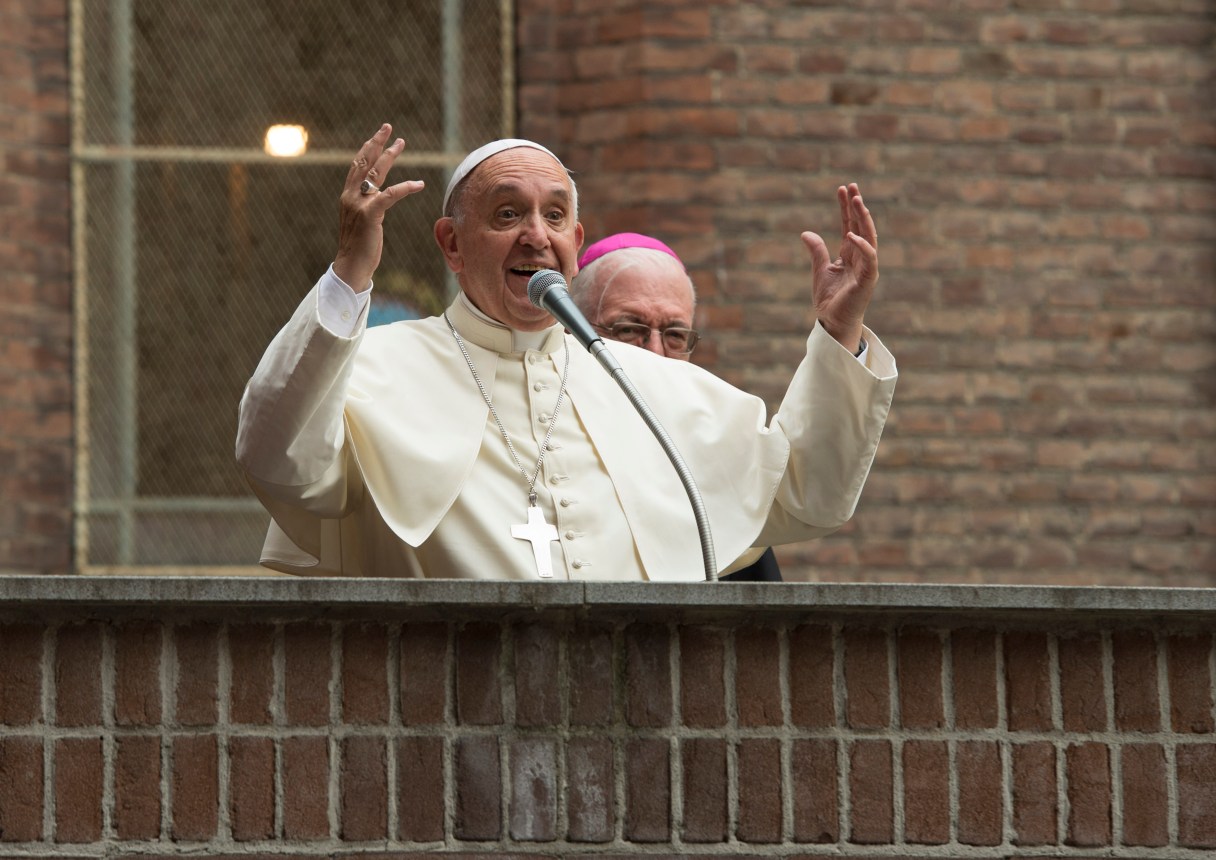
In this pool photo taken Sunday, June 21, 2015, and made available Monday, June 22, Pope Francis salutes upon arrival at the hospital Cottolengo of Turin, northern Italy, Sunday, June 21, 2015. Pope Francis earlier prayed in front of the Holy Shroud, the 14 foot-long linen revered by some as the burial cloth of Jesus, on display at the Cathedral of Turin. (L' Osservatore Romano/Pool Photo via AP)
In this pool photo taken Sunday, June 21, 2015, and made available Monday, June 22, Pope Francis salutes upon arrival at the hospital Cottolengo of Turin, northern Italy, Sunday, June 21, 2015. Pope Francis earlier prayed in front of the Holy Shroud, the 14 foot-long linen revered by some as the burial cloth of Jesus, on display at the Cathedral of Turin. (L' Osservatore Romano/Pool Photo via AP) In this pool photo taken Sunday, June 21, 2015, and made available Monday, June 22, Pope Francis salutes upon arrival at the hospital Cottolengo of Turin, northern Italy, Sunday, June 21, 2015. Pope Francis earlier prayed in front of the Holy Shroud, the 14 foot-long linen revered by some as the burial cloth of Jesus, on display at the Cathedral of Turin. (L' Osservatore Romano/Pool Photo via AP)

VATICAN CITY (AP) – The Vatican has set the stage for another round of debate on hot-button issues like gays, divorced Catholics and unmarried couples living together by publishing the working document for its upcoming meeting on family issues.

The document released Tuesday breaks no new ground on key issues, though it offers some nuances. It says there’s “common agreement” among a broad array of Catholics about the need to offer divorced and civilly remarried Catholics a path of reconciliation to better integrate them into the life of the church, but stresses they can only receive Communion if they refrain from sex.

It says gays should be respected and welcomed, as church teaching requires, but goes no further. It considers couples who live together not as sinners but as potential candidates for church marriage.