
BAGHDAD (AP) – Mosul resident Mohammed Younis says he had nothing to do with the Islamic State group’s capture of his city or its mass killings, beheadings and other atrocities — but that may not be enough to spare him if the extremists are driven out.
A letter left on his doorstep by a shadowy group calling itself the Freemen of Mosul said “vengeance is coming,” and contained vague threats of eye-for-an-eye retribution. Dozens of other Mosul families have reported similar threats, and as Iraqi forces backed by feared Shiite militias gradually push up from Baghdad into the Sunni heartland, some fear the retreat of the extremist group could set off a new round of violence.
Younis thinks he was targeted because his cousin is a suspected Islamic State militant. “Because of the acts of a criminal cousin, me and some of my relatives will be killed or displaced,” he said. “We have nothing to do with Daesh, but I think that nobody will listen when payback time comes,” he added, using the Arabic acronym for the group.
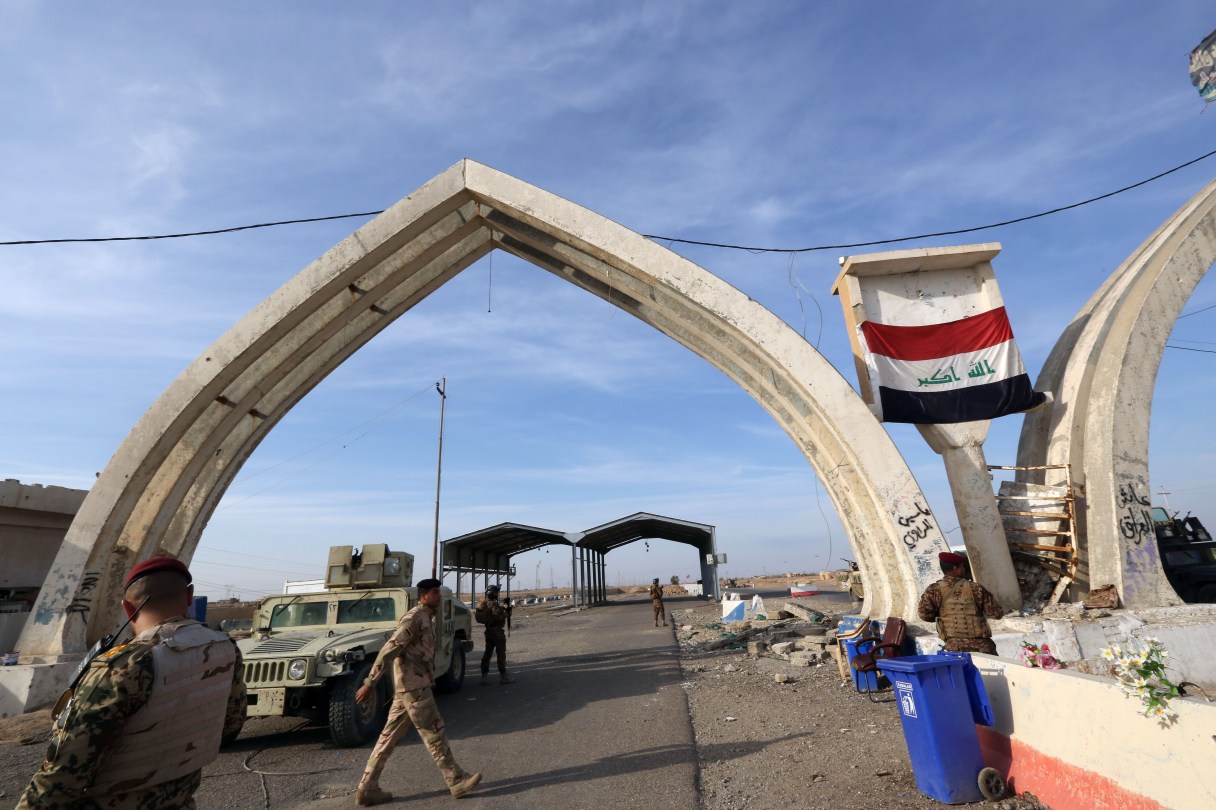
Iraqi troops and Iranian-backed Shiite militias launched a long-awaited offensive this month aimed at capturing Saddam Hussein’s hometown of Tikrit, a Sunni bastion on the Tigris river whose capture would pave the way for an assault on Mosul, which could come as soon as next month.
Iraq’s government has sought to rally Sunni support, hoping to recruit powerful tribes to drive out the extremists and reunite the country. But past offensives have been followed by threats and reports of vicious sectarian reprisals.