
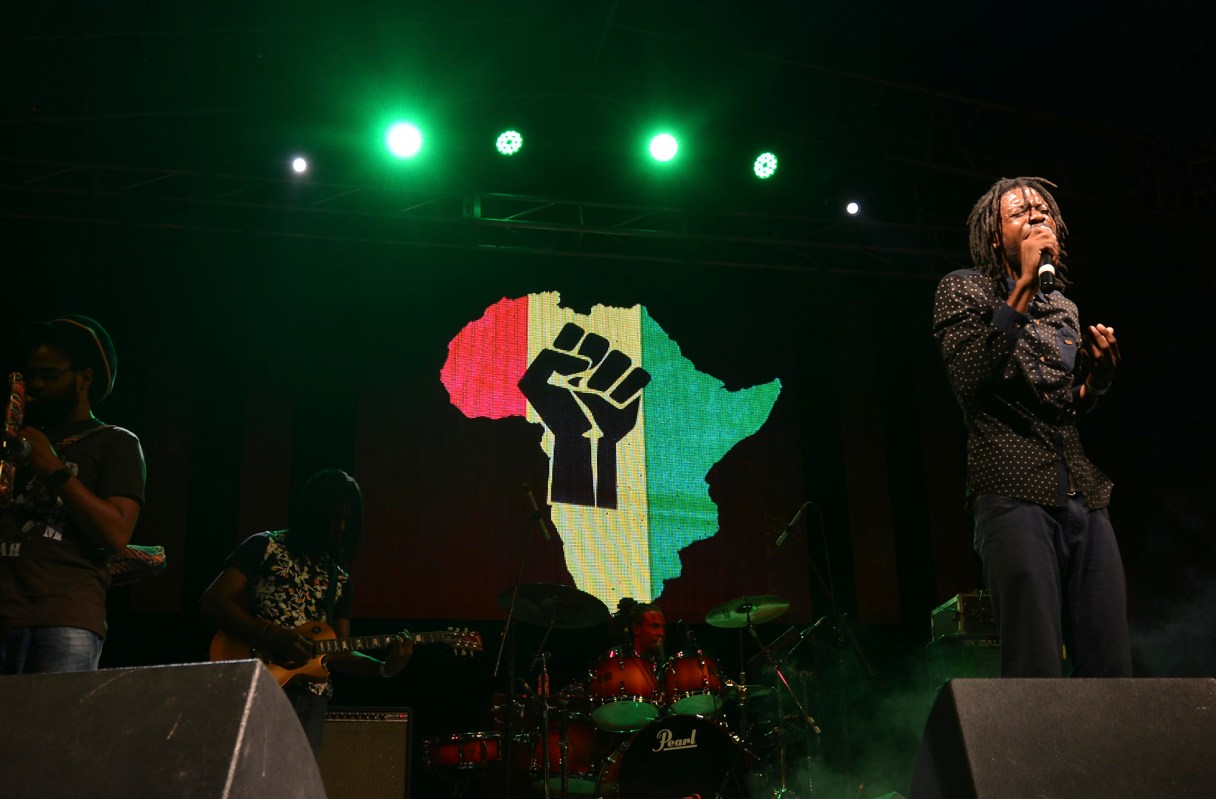
KINGSTON, Jamaica — For decades, the sound of Jamaica has been reggae, the infectious, uniquely syncopated music that transformed the small Caribbean island into a cultural powerhouse.
But the genre’s success has taken it far beyond its roots, and now many in Jamaica worry that reggae-lovers abroad are forgetting the motherland where it was born.
“Reggae was given to the world by Jamaica so nobody can or ever should discourage anyone overseas from making this music. But we think there should be acknowledgment that reggae was created in Jamaica,” said Michael “Ibo” Cooper, a musician who is chairman of the Jamaica Reggae Industry Association.
Around the world, music festivals celebrating the sounds made famous by reggae patron saint Bob Marley and followers who developed the faster, brasher derivative of dancehall are more likely to be headlined by bands from places like California or France than by native-born Jamaicans. Aside from albums by the late Marley or his progeny, few of the top-selling reggae CDs or downloads come from Jamaican artists.
To get a stronger foothold in the information age, Jamaican officials and reggae industry insiders are brainstorming ways to better capitalize on Jamaica’s exuberant music culture and help protect what some claim is local intellectual property. After years of only piecemeal support, the government increasingly is viewing reggae and other cultural enterprises as a hoped-for economic engine on the island.