
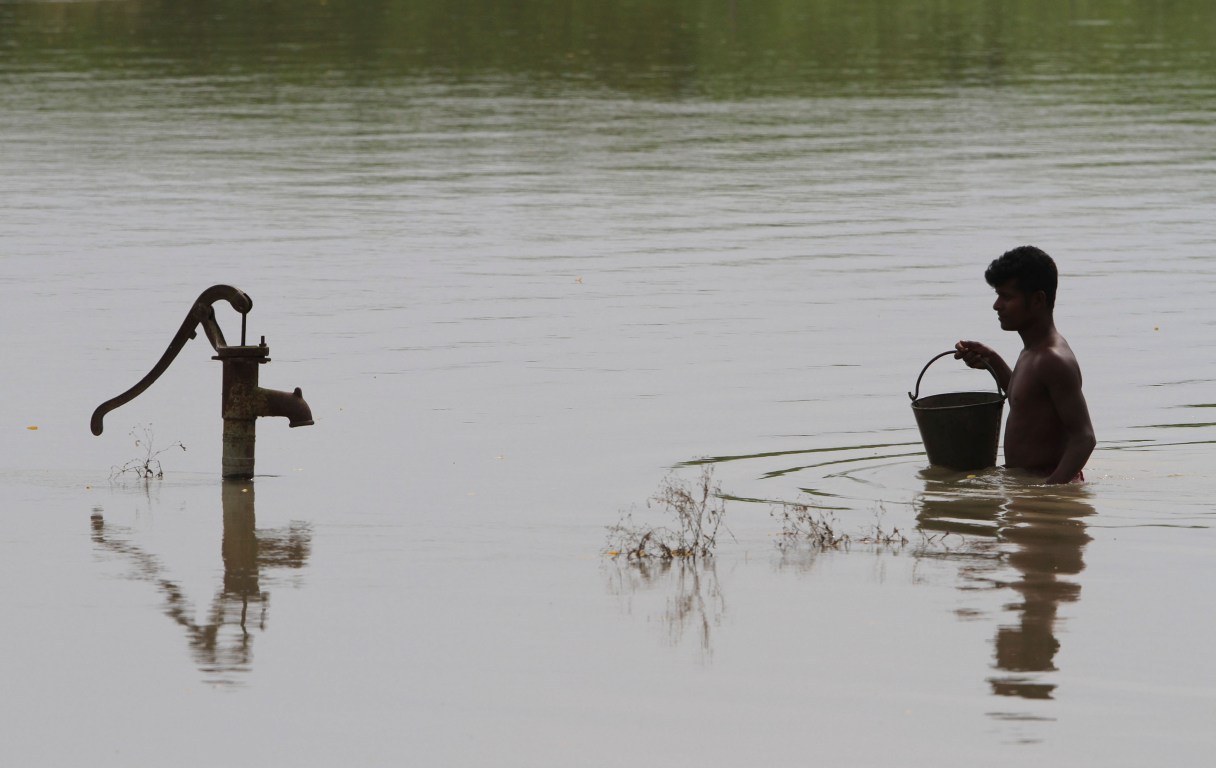
NEW DELHI (AP) – The world could suffer a 40 percent shortfall in water in just 15 years unless countries dramatically change their use of the resource, a U.N. report warned Friday.
Many underground water reserves are already running low, while rainfall patterns are predicted to become more erratic with climate change. As the world’s population grows to an expected 9 billion by 2050, more groundwater will be needed for farming, industry and personal consumption.
The report predicts global water demand will increase 55 percent by 2050, while reserves dwindle. If current usage trends don’t change, the world will have only 60 percent of the water it needs in 2030, it said.
Having less available water risks catastrophe on many fronts: crops could fail, ecosystems could break down, industries could collapse, disease and poverty could worsen, and violent conflicts over access to water could become more frequent.
“Unless the balance between demand and finite supplies is restored, the world will face an increasingly severe global water deficit,” the annual World Water Development Report said, noting that more efficient use could guarantee enough supply in the future.