
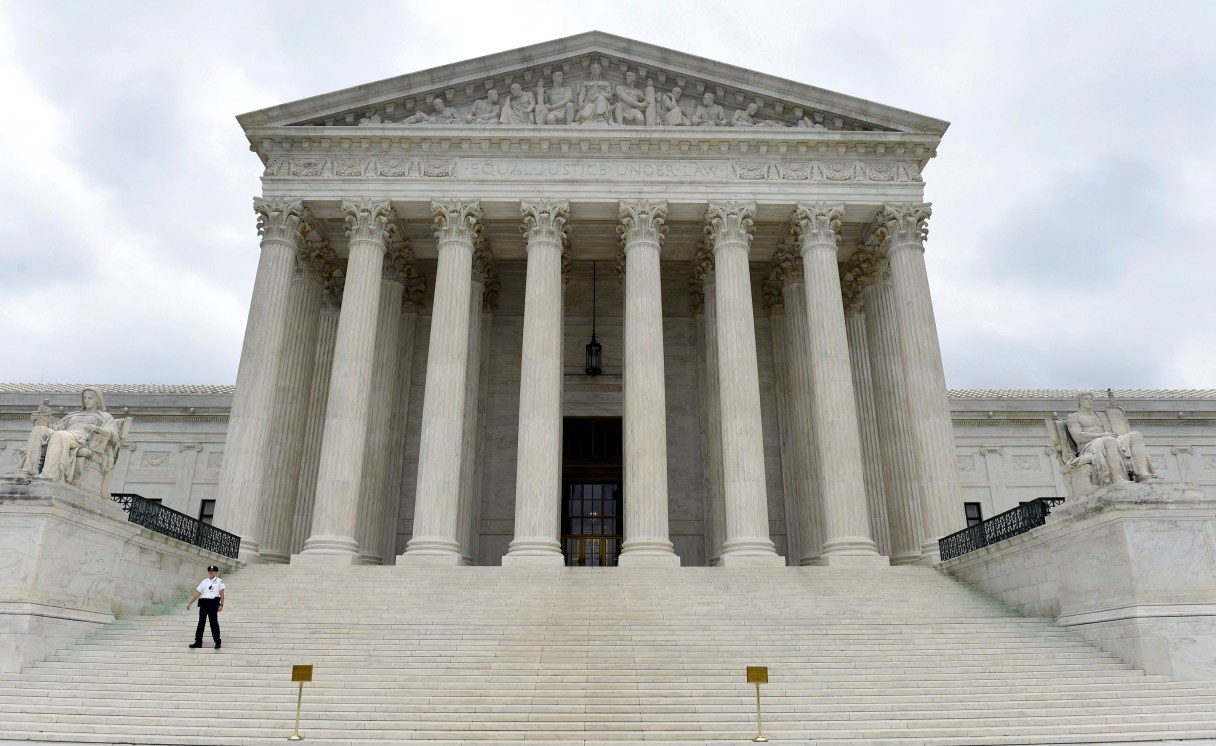
Whatever the United States Supreme Court determines in relation to same-sex marriage this term, we hope it won’t include anything like the opinion issued recently by a state judiciary ethics advisory committee in Arizona. That committee determined that if judges perform marriages at all, they also must perform same-sex marriages — even if to do so violates their faith.
“Turning away same-sex couples,” the opinion states, “would violate a state judicial-conduct rule against bias or prejudice based on sexual orientation.” It further states “a judge’s religious or other personal beliefs don’t make a difference nor does it matter if the judge performs weddings at non-court locations.”
Judges across the country will be bound by whatever ruling the Supreme Court makes, likely in June, but a ruling that stipulates anything like the Arizona opinion would be truly frightening.
Not only would it force jurists to stop doing something they have done in the United States since its founding, but it also could lead to the increasing selection of secular judges who agree one’s faith has no consideration under the law.
And if such an opinion becomes part of the law, look for a further push that would prohibit clergy from marrying individuals unless they agree to unite both traditional couples and same-sex couples.