
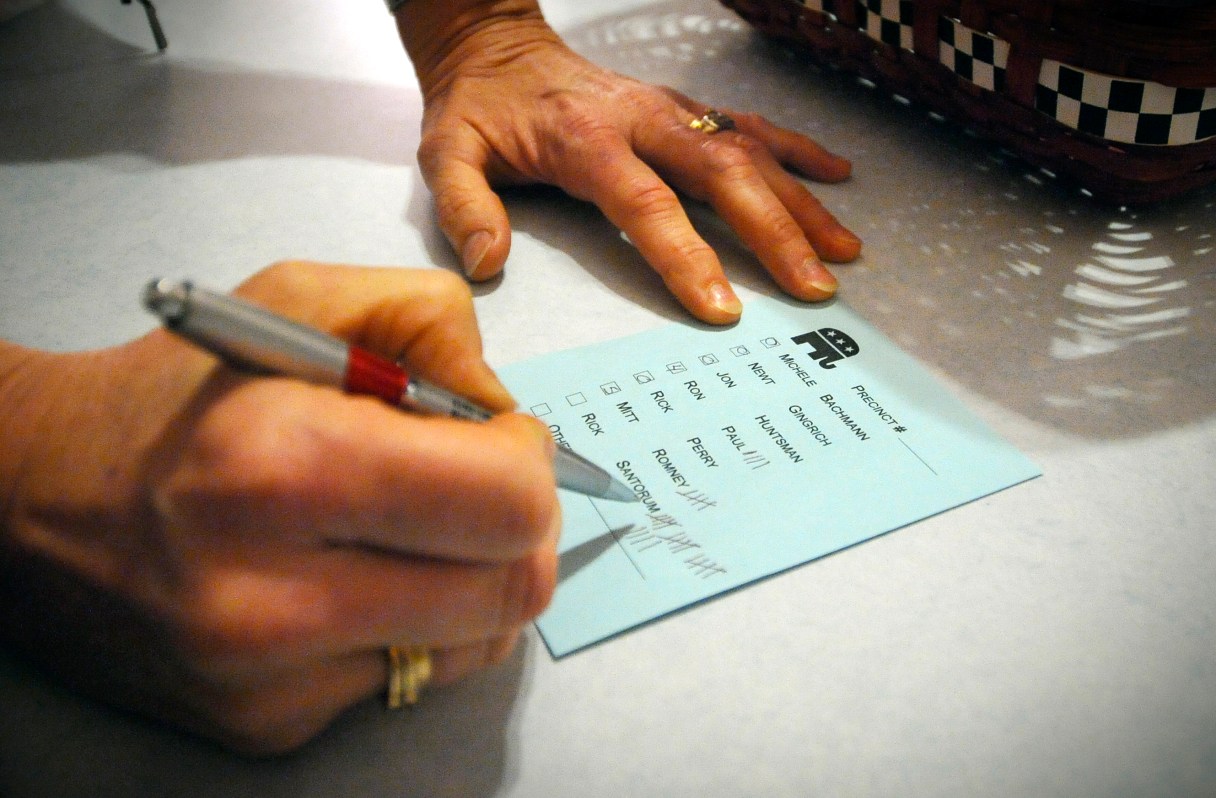
NASHUA, N.H. (AP) – Few states have shaped presidential politics like Iowa, New Hampshire and South Carolina.
By hosting the nation’s first presidential primaries and caucuses, the states have heaped political and financial rewards for decades on successful candidates and hastened the end for underachievers. Yet their clout may be declining in 2016.
Campaign aides and veteran political operatives expect the Republicans’ next primary season to extend well beyond the first three states, thanks to an explosion of well-financed super PACs, a robust stable of candidates and changes in the election calendar that could make the 2016 GOP primary season one of the most competitive in history.
That drawn-out scenario is despite the wishes of the Republican National Committee, which recently changed rules with the aim of giving the eventual nominee a quicker and easier path to the general election.
While there is little competition expected on the Democratic side, the Republican primary is “shaping up to be the ultimate political marathon,” said Phil Musser, a GOP consultant and veteran of presidential politics. He suggested candidates might not get the “slingshot effect” from early state victories that they once might have.