
Friday, October 30, 2026Oct 30

This story is free to read.

Using a smartphone microscope to detect parasites in blood

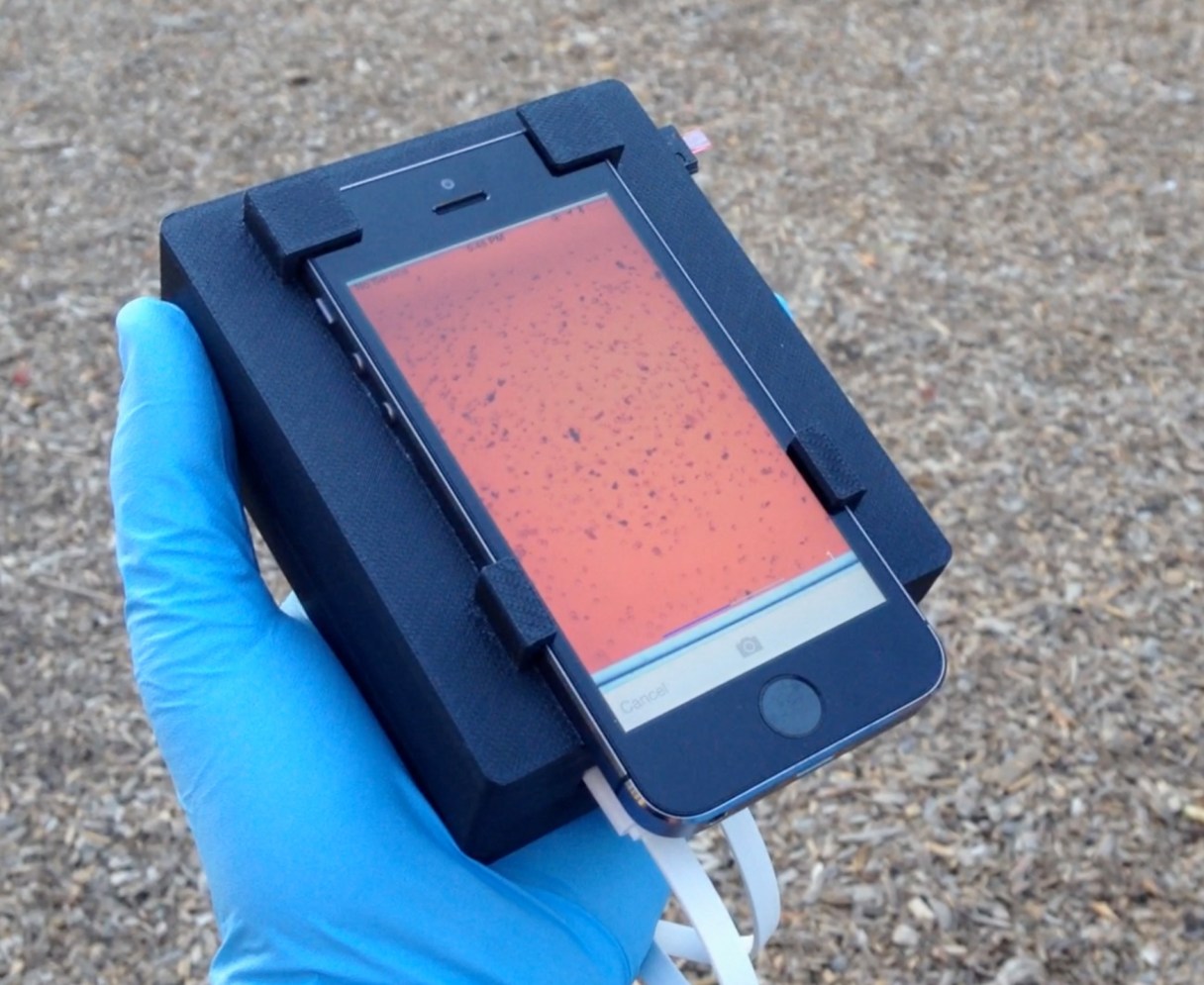
This handout photo provided by Daniel A. Fletcher shows a Cellscope being used in an outdoor setting. Prick a finger and have the blood checked for parasites _ by smartphone? Scientists are turning those ubiquitous phones into microscopes and other medical tools that could help fight diseases in remote parts of the world. In the newest work, University of California, Berkeley, researchers used a smartphone-run video microscope to target a challenge in parts of Central Africa _ some devastating infections caused by tiny parasitic worms. (Daniel A. Fletcher, UC Berkeley via AP)
This handout photo provided by Daniel A. Fletcher shows a Cellscope being used in an outdoor setting. Prick a finger and have the blood checked for parasites _ by smartphone? Scientists are turning those ubiquitous phones into microscopes and other medical tools that could help fight diseases in remote parts of the world. In the newest work, University of California, Berkeley, researchers used a smartphone-run video microscope to target a challenge in parts of Central Africa _ some devastating infections caused by tiny parasitic worms. (Daniel A. Fletcher, UC Berkeley via AP) This handout photo provided by Daniel A. Fletcher shows a Cellscope being used in an outdoor setting. Prick a finger and have the blood checked for parasites _ by smartphone? Scientists are turning those ubiquitous phones into microscopes and other medical tools that could help fight diseases in remote parts of the world. In the newest work, University of California, Berkeley, researchers used a smartphone-run video microscope to target a challenge in parts of Central Africa _ some devastating infections caused by tiny parasitic worms. (Daniel A. Fletcher, UC Berkeley via AP)

WASHINGTON (AP) – Prick a finger and have the blood checked for parasites – by smartphone? Scientists are turning those ubiquitous phones into microscopes and other medical tools that could help fight diseases in remote parts of the world.

In the newest work, University of California, Berkeley, researchers used a smartphone-run video microscope to target a challenge in parts of Central Africa – some devastating infections caused by tiny parasitic worms.

A small pilot study in Cameroon showed the device could measure within minutes certain worms wriggling in a finger-prick of blood, rapidly identifying who is a candidate for an important medication – and who’s at risk for a severe side effect from that drug.

If larger studies pan out, the so-called “CellScope Loa” could help revive a program to eliminate diseases that cause blindness and disability in the region, the team reported Wednesday in the journal Science Translational Medicine.

Essentially, the instrument acted as a cheap, portable laboratory – no lab technician required – part of a trend in medical uses for smartphones that goes far beyond simple tasks like measuring heartbeats or emailing your doctor photos of a suspicious mole.