
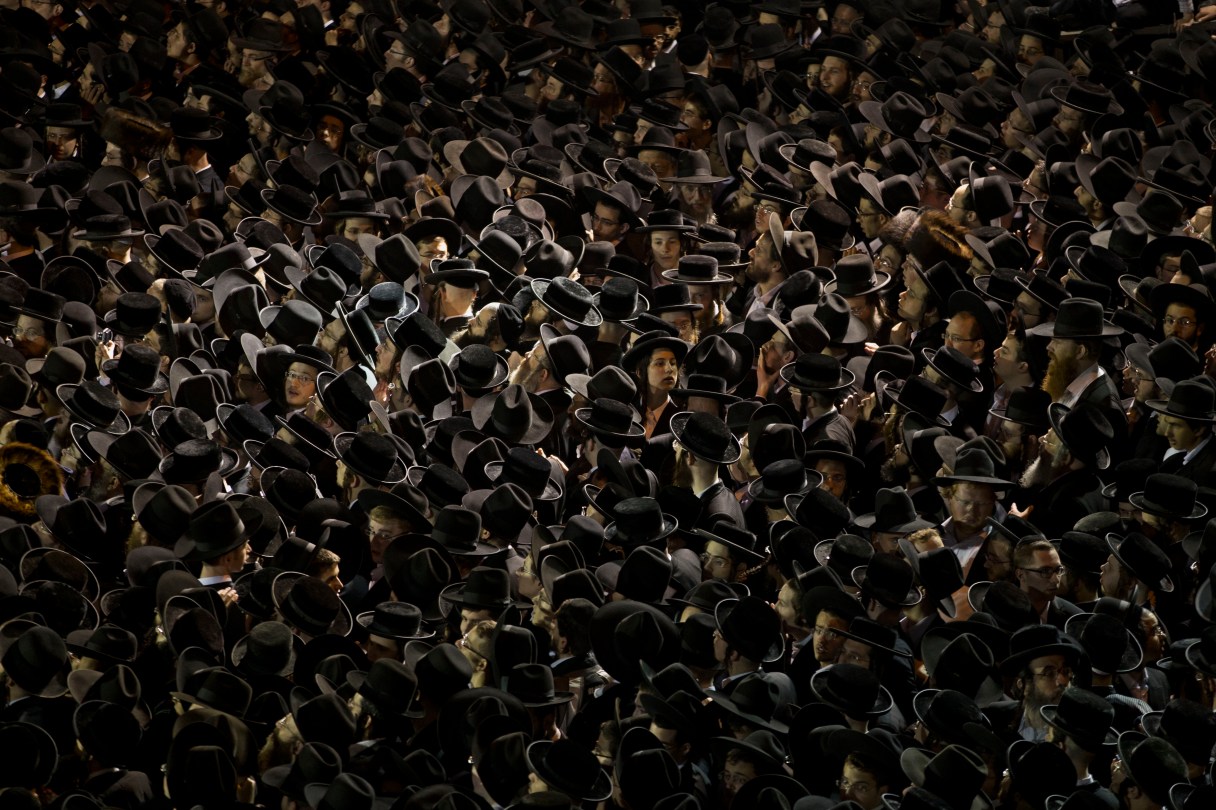
JERUSALEM (AP) – The formation of Benjamin Netanyahu’s new coalition government has cleared the way for the country’s ultra-Orthodox parties to return to power after two years in the opposition.
This religious resurgence could have deep implications as they seek to reinstate a system of subsidies and preferential treatment that have long angered the country’s secular majority, potentially setting the stage for a new round of culture wars that recently have plagued Israel.
Under Israel’s system of proportional representation, the ultra-Orthodox long have enjoyed power and influence far beyond their numbers by providing a string of prime ministers the needed votes to guarantee a majority in parliament.
As a result, they have won automatic exemptions from compulsory military service and large budgets for a separate school system focusing heavily on religious studies while largely not teaching math, English and computer literacy. This system has bred resentment among secular Israelis, who accuse the ultra-Orthodox of shirking their national responsibilities and posing a burden on the economy.
Led by Yair Lapid’s centrist Yesh Atid party, the outgoing government passed landmark legislation that aimed to gradually incorporate the ultra-Orthodox into the military and boosted their employment figures. Now, with Lapid in the opposition, the Shas and United Torah Judaism parties return to government determined to roll back on those measures.