
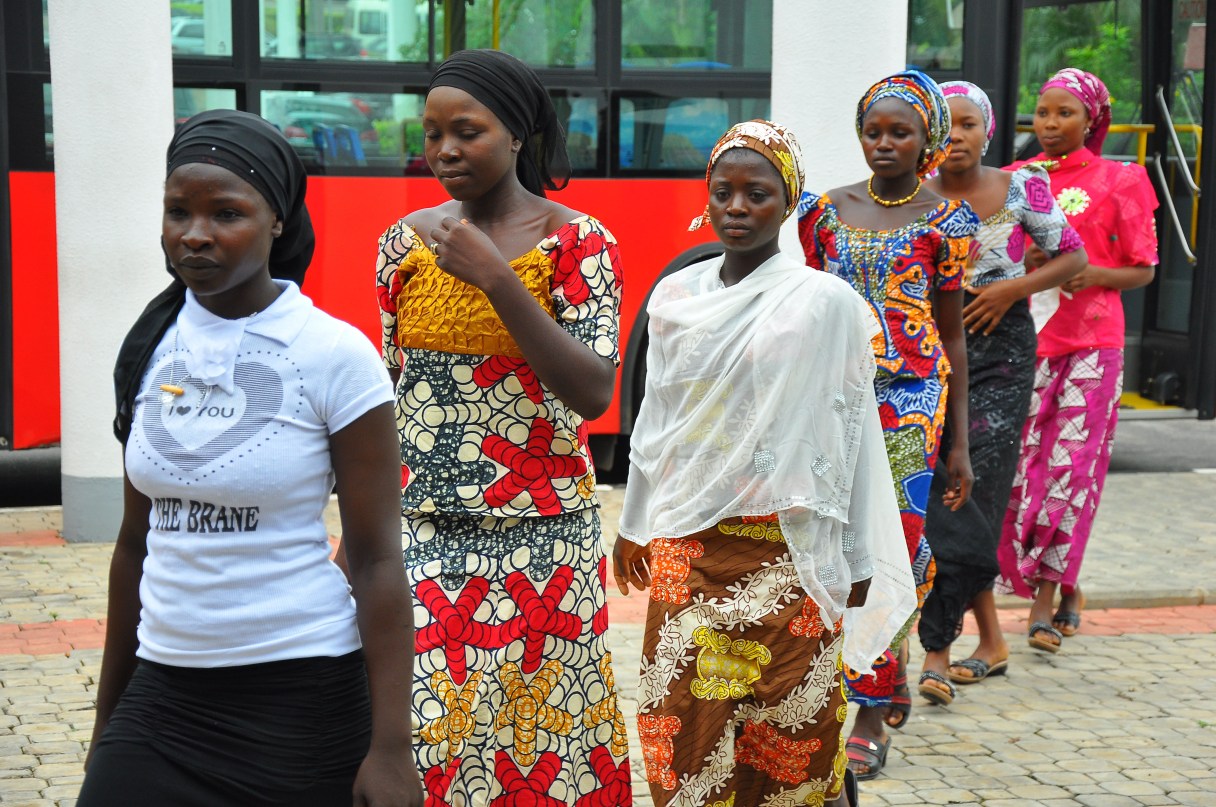
YOLA, Nigeria (AP) – The taunts wouldn’t stop. “Boko Haram wives,” the schoolgirls were called because they had been briefly held by Nigeria’s Islamic extremists before escaping. The teasing was so relentless that some of the Chibok girls left their town and families.
Their plight does not bode well for hundreds of girls and women recently rescued from months of captivity by Boko Haram, including dozens who are pregnant. After enduring captivity by the militants, the females may now face stigma from their communities.
“The most important thing is to restore their dignity,” the executive director of the United Nations Population Fund, Babatunde Osotimehin, told The Associated Press in a telephone interview from his office in New York.
“When you have been in captivity against your will, and God knows whatever they have done to them, some of them will have been violated, some raped, food insecure … We need to take them, work with them and bring them back to the reality of their lives,” said Osotimehin, who is Nigerian.
His agency is providing the women and girls with intense psychosocial counseling and medical care for reproductive and maternal health. It is also encouraging communities to allow the girls to return in peace.