
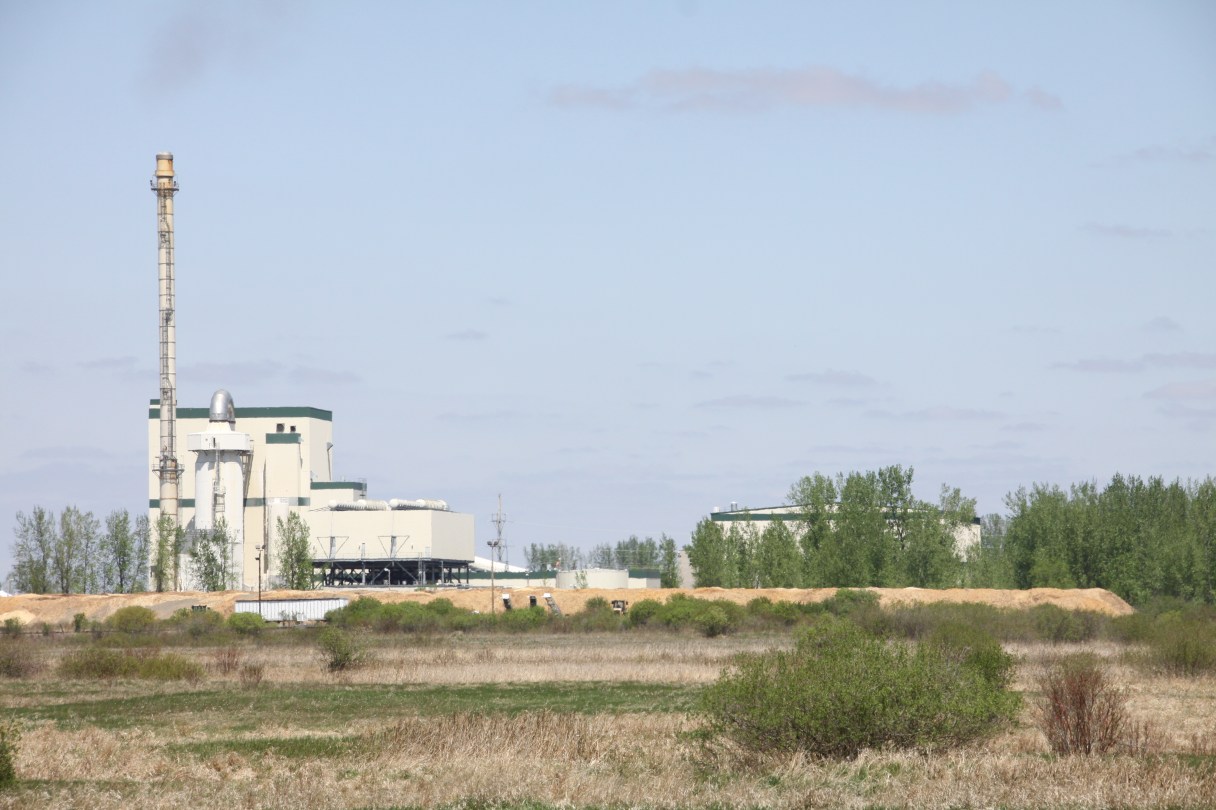
MINNEAPOLIS (AP) – A Minnesota power plant fueled by turkey litter flopped and fell into receivership even before a virulent form of bird flu shook the Midwest’s poultry industry in recent months, yet its new managers say they’re confident they can keep it running for the long haul.
Fibrominn LLC was hailed when it opened in 2007 as both an innovative renewable energy source and a way to help the country’s top turkey-producing state dispose of hundreds of thousands of tons of litter annually. But court documents show the Benson plant has long struggled to operate at its 55 megawatt capacity. While it was designed to burn poultry litter for up to 90 percent of its fuel needs, it relies mostly on wood chips because the anticipated litter supply didn’t pan out.
The bird flu crisis – which has cost Minnesota poultry producers nearly 4.2 million turkeys and nearly 1.6 million chickens since March – has further cut Fibrominn’s litter supplies, plant manager Greg Myers acknowledged in an interview, though he declined to say by how much. Major producers with long-term contracts to supply litter that have been hit hard, including Jennie-O Turkey Store, are making deliveries “when they can” from uninfected farms, he said.
“We would prefer to have the litter that we would normally get, but let’s just say we can make do for the time being,” Myers said.
Turkey litter includes droppings, wood chips, seed hulls, feathers and spilled seed. While it’s widely used as fertilizer, it can also cause nitrate and phosphate build-ups in soil and water. Minnesota’s turkey industry embraced Fibrominn as a solution, as did Xcel Energy, which locked in 21-year deal with Fibrominn to help it comply with a state biomass mandate.