
Thursday, October 29, 2026Oct 29

This story is free to read.

AP Interview: EU border chief warns of migrant surge

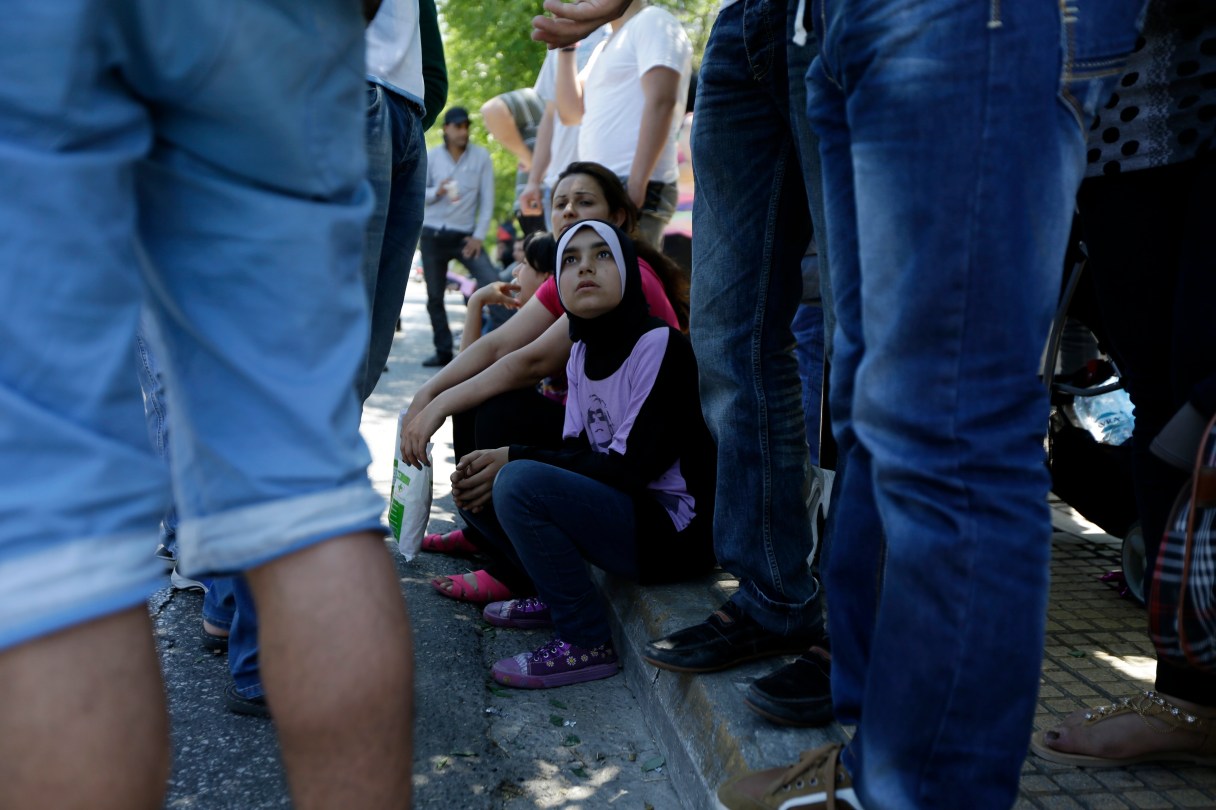
A girl looks at Syrians refugees during a protest over a lack of translator and the slow asylum process outside the Central Asylum Center in Athens, Thursday, May 14, 2015. This year has seen a significant increase in the numbers of refugees from war-torn Middle Eastern and African countries, as well as economic migrants, crossing illegally to Greece. (AP Photo/Thanassis Stavrakis)
A girl looks at Syrians refugees during a protest over a lack of translator and the slow asylum process outside the Central Asylum Center in Athens, Thursday, May 14, 2015. This year has seen a significant increase in the numbers of refugees from war-torn Middle Eastern and African countries, as well as economic migrants, crossing illegally to Greece. (AP Photo/Thanassis Stavrakis) A girl looks at Syrians refugees during a protest over a lack of translator and the slow asylum process outside the Central Asylum Center in Athens, Thursday, May 14, 2015. This year has seen a significant increase in the numbers of refugees from war-torn Middle Eastern and African countries, as well as economic migrants, crossing illegally to Greece. (AP Photo/Thanassis Stavrakis)

BRUSSELS (AP) – The European Union’s border agency is boosting its operations in the Mediterranean near Greece as increasing numbers of migrants try to enter the EU from Turkey, its head said Thursday.

Frontex Executive Director Fabrice Leggeri told The Associated Press: “We are worried about the situation in Greece and that’s why we will upgrade our action there and our support to the Greek authorities.”

More than 10,000 people have been plucked from the central Mediterranean in recent weeks attempting to enter Europe from Libya in overcrowded and unseaworthy boats. Some 1,700 are feared dead.

“There is a shift from the central Mediterranean to the eastern Mediterranean” as more migrants leave Turkey by sea and land, Leggeri said.

“They are moving very quickly so we have to be flexible.”