
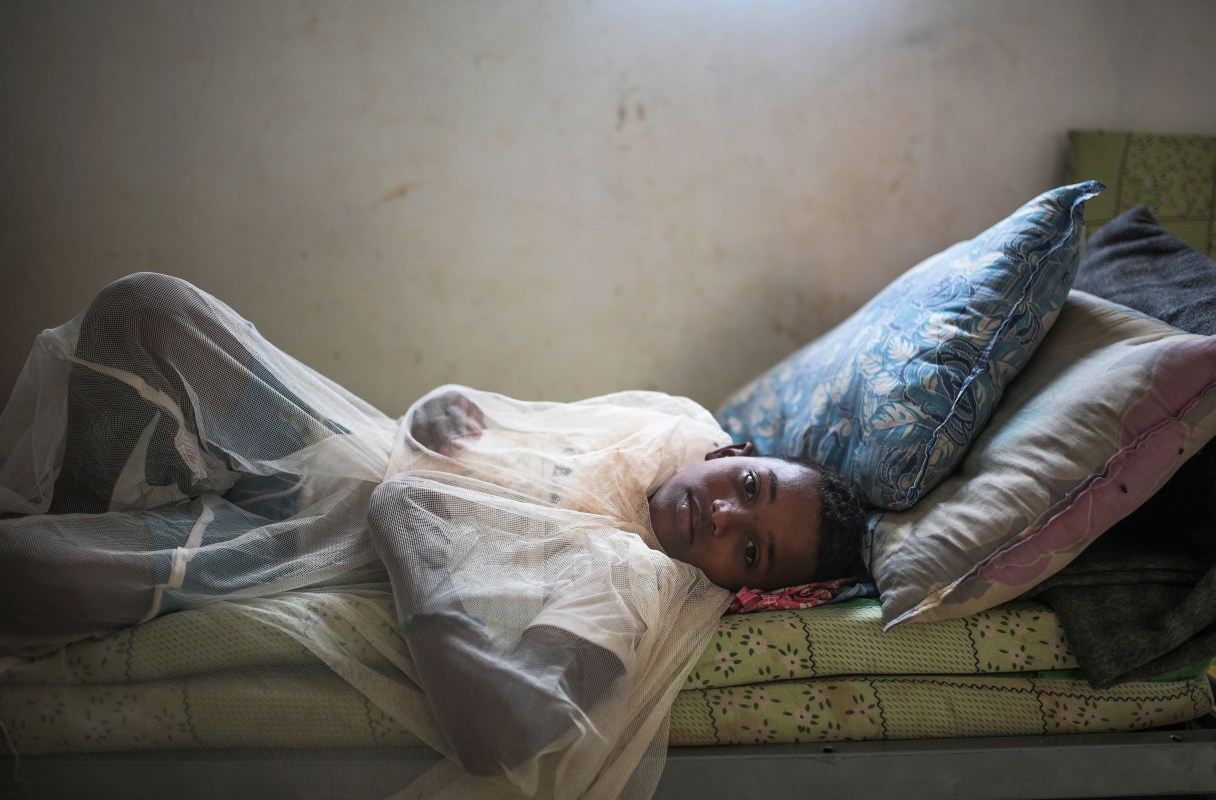
OBOCK, Djibouti (AP) – Fleeing the war at home, thousands of Yemenis have made it across the Gulf of Aden to find refuge in Djibouti, a sleepy Horn of Africa nation where the United Nations has set up a staging hub for aid for the conflict-torn Arab country.
Many of the refugees are relieved to have escaped after two months of Saudi-led airstrikes targeting Yemen’s Shiite rebels and fighting on the ground between rival factions that have pushed their country to the brink of collapse.
They arrived with just the few belongings they could carry, mostly on small, rickety fishing boats. Others came on bigger vessels crammed with people, reversing a perilous, centuries-old route which countless African migrants have taken in the other direction.
The UNHCR says a total of 5,000 Yemeni refugees have made it to Djibouti, including 3,000 in the capital, Djibouti city, and 1,000 in Obock, 300 kilometers (187 miles) to the north – making it currently the biggest Yemeni refugee population.
The influx has hiked up local prices, with markets, hotels, and drivers trying to make the most of the situation in an already struggling economy.