
Friday, October 30, 2026Oct 30

This story is free to read.

Will new focus on rape kit tests put thousands behind bars?

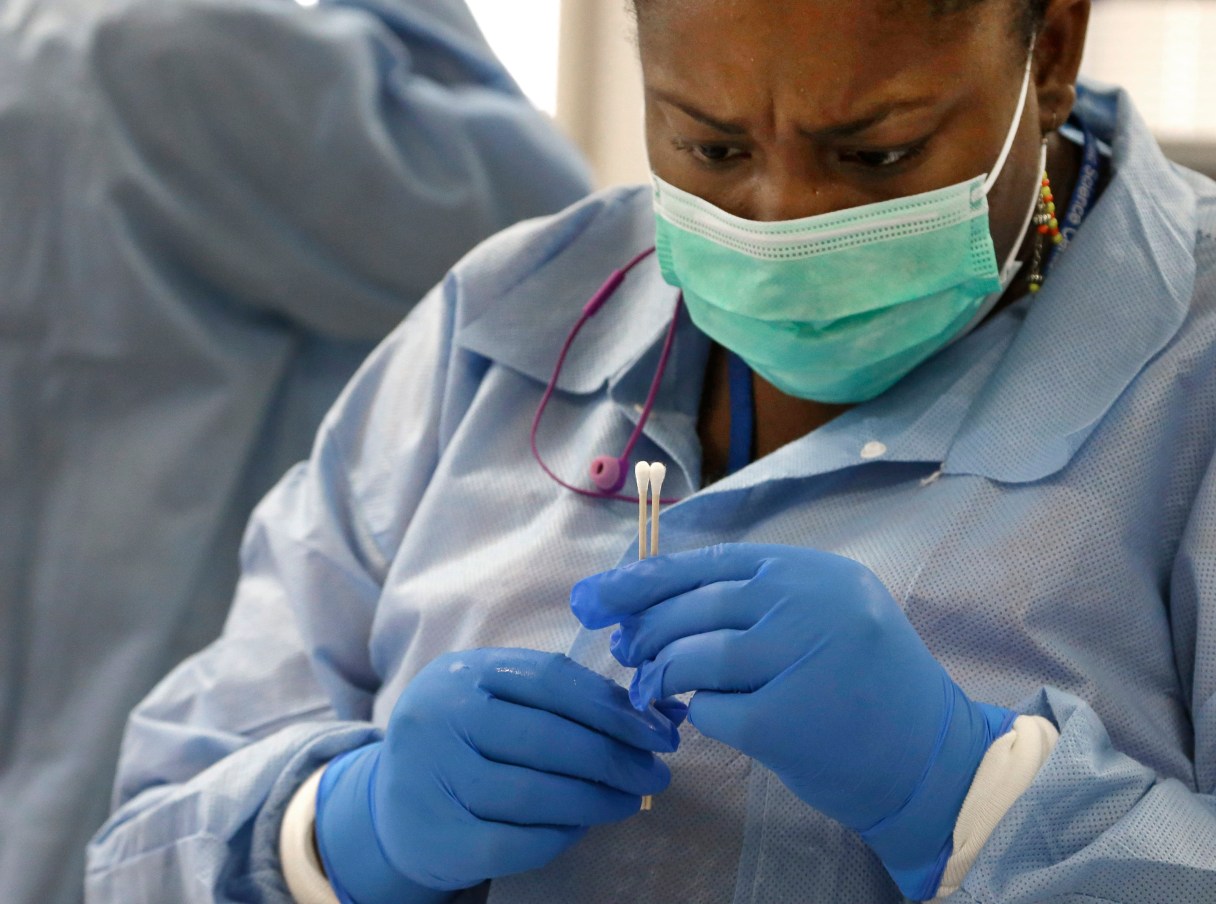
ADVANCE FOR USE SUNDAY, MAY 31, 2014 AND THEREAFTER - Forensic analyst India Henry examines cotton swabs from a sexual assault evidence kit in the biology lab at the Houston Forensic Science Center in Houston on Thursday, April 2, 2015. A dramatic shift is taking hold across the country as police and prosecutors scramble to process these kits and use DNA matches to track down sexual predators, many of whom attacked more women while evidence of their crimes languished in storage. Lawmakers, meanwhile, are proposing reforms to ensure this doesn't happen again. (AP Photo/Pat Sullivan)
ADVANCE FOR USE SUNDAY, MAY 31, 2014 AND THEREAFTER - Forensic analyst India Henry examines cotton swabs from a sexual assault evidence kit in the biology lab at the Houston Forensic Science Center in Houston on Thursday, April 2, 2015. A dramatic shift is taking hold across the country as police and prosecutors scramble to process these kits and use DNA matches to track down sexual predators, many of whom attacked more women while evidence of their crimes languished in storage. Lawmakers, meanwhile, are proposing reforms to ensure this doesn't happen again. (AP Photo/Pat Sullivan) ADVANCE FOR USE SUNDAY, MAY 31, 2014 AND THEREAFTER - Forensic analyst India Henry examines cotton swabs from a sexual assault evidence kit in the biology lab at the Houston Forensic Science Center in Houston on Thursday, April 2, 2015. A dramatic shift is taking hold across the country as police and prosecutors scramble to process these kits and use DNA matches to track down sexual predators, many of whom attacked more women while evidence of their crimes languished in storage. Lawmakers, meanwhile, are proposing reforms to ensure this doesn't happen again. (AP Photo/Pat Sullivan)

The evidence piled up for years, abandoned in police property rooms, warehouses and crime labs. Now, thousands of sexual assault kits are giving up their secrets – and rapists who’ve long remained free may finally face justice.

A dramatic shift is now taking hold across the country as police and prosecutors scramble to process these kits, and use DNA matches to track down predators, many of whom have attacked more women while evidence of their crimes sat in storage.

“There’s definitely momentum,” says Sarah Haacke Byrd, managing director of the Joyful Heart Foundation, an advocacy group working on the issue. “In the last year we really are seeing the tide turn where federal and state governments are offering critically needed leadership and critically needed resources to fix the problem.”

In Cleveland, the county prosecutor’s office has indicted more than 300 rape suspects since 2013, based on newly tested DNA evidence from old kits. Ultimately, 1,000 are expected to be charged.

In Houston, authorities recently cleared a backlog of nearly 6,700 kits, some decades old. The project turned up 850 matches in a national DNA database.