
Number of wineries by state
54 Tennessee45 Georgia22 Alabama3,782 CaliforniaSources: Tennessee Farm Winegrowers Alliance, Visitgeorigawineries.com, WineWeb, Wine America
Chattanooga-area winemaker Ray DeBarge is on a quest: To find a fine wine grape that grows well in the South – so long as it’s not muscadine.
He’s got an uphill battle, because nature works against him.
Just as North Dakota isn’t home to banana plantations, the South isn’t the ideal place to grow so-called “French” grape varieties such as merlot, chardonnay and pinot noir. These grapes, which belong to the species vitis vinifera, thrive in bone-dry summers with hot days and cool nights. Heavy rain at harvest can dilute the grapes’ sugar content and flavor and invite mold, fungus and rot.
Only a handful of places in the world – such as California’s wine-growing regions, home to some 4,000 wineries and roughly 1 million acres of wine grapes – have the “Mediterranean” climate that’s a natural fit for vinifera grapes. California’s Napa Valley, on average, gets less than 1 inch of rain between June and September.
Here, it rains an average of 52.4 inches a year, or 67 percent more than the U.S. average.
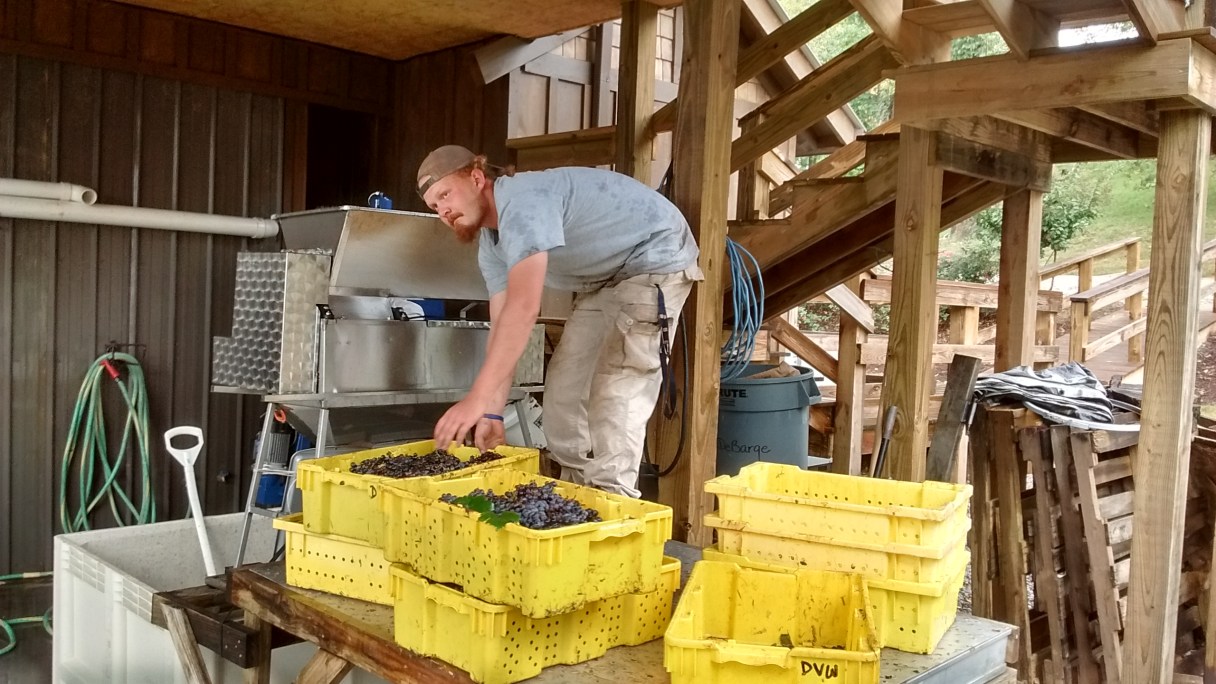
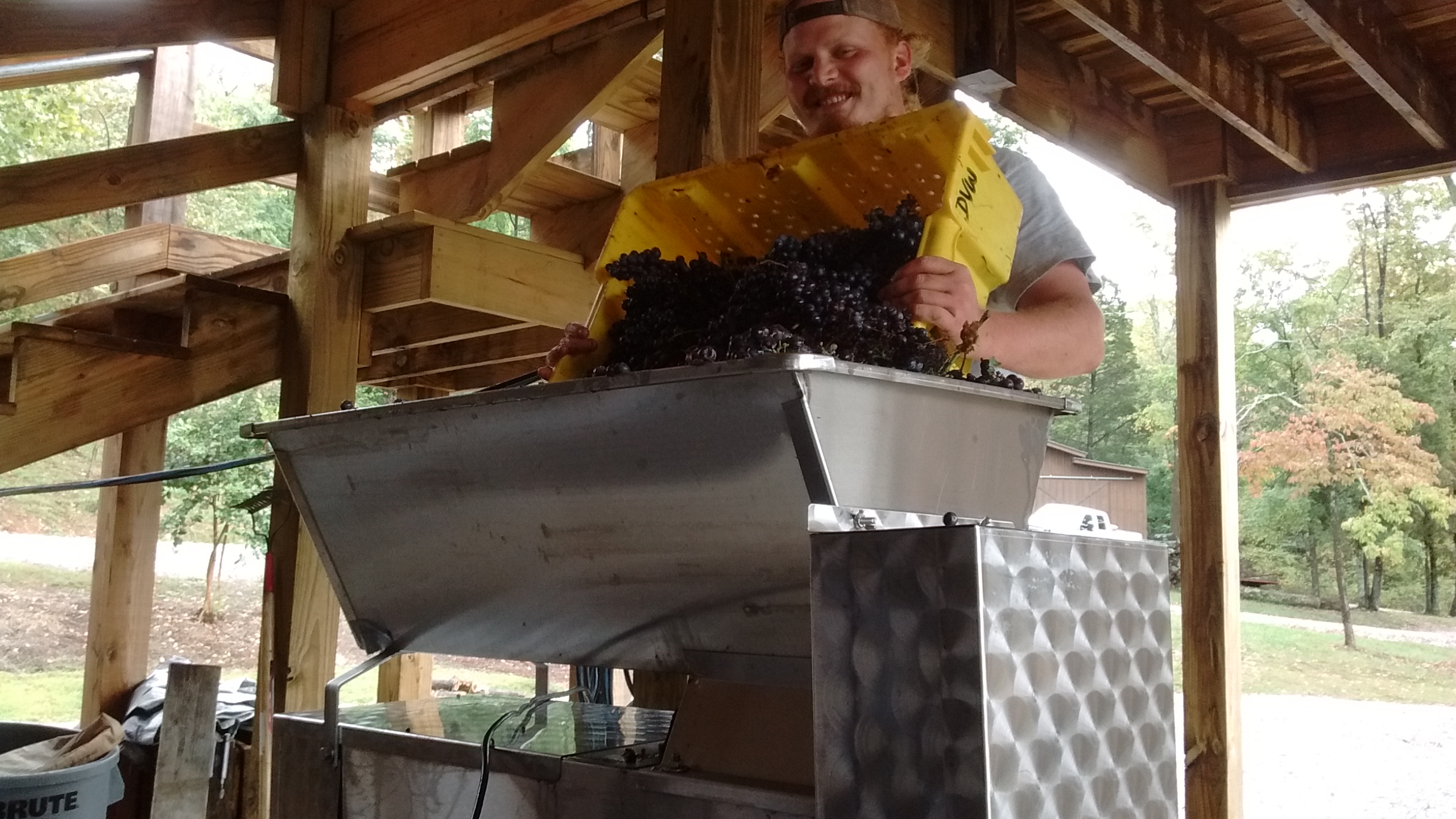
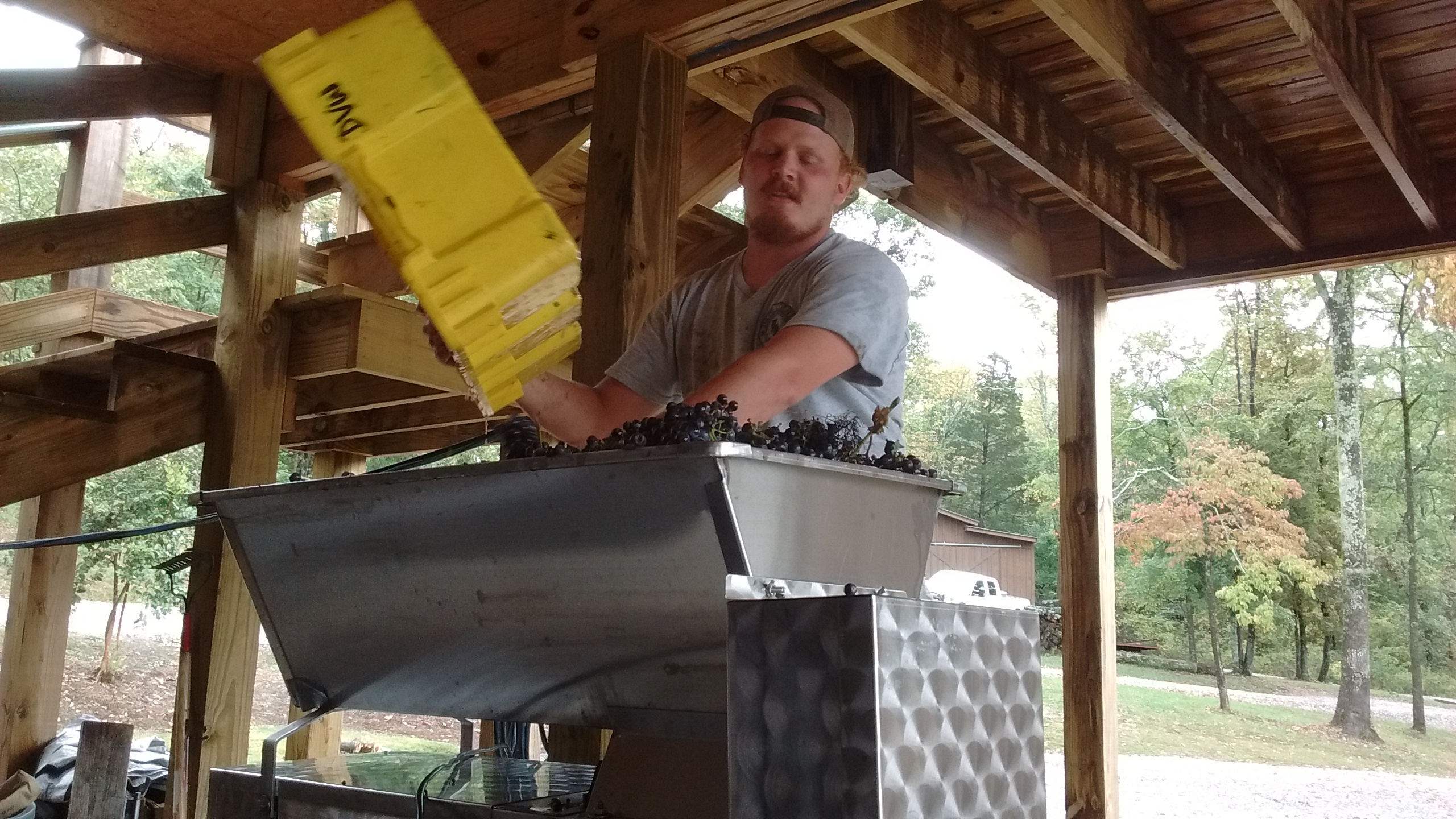
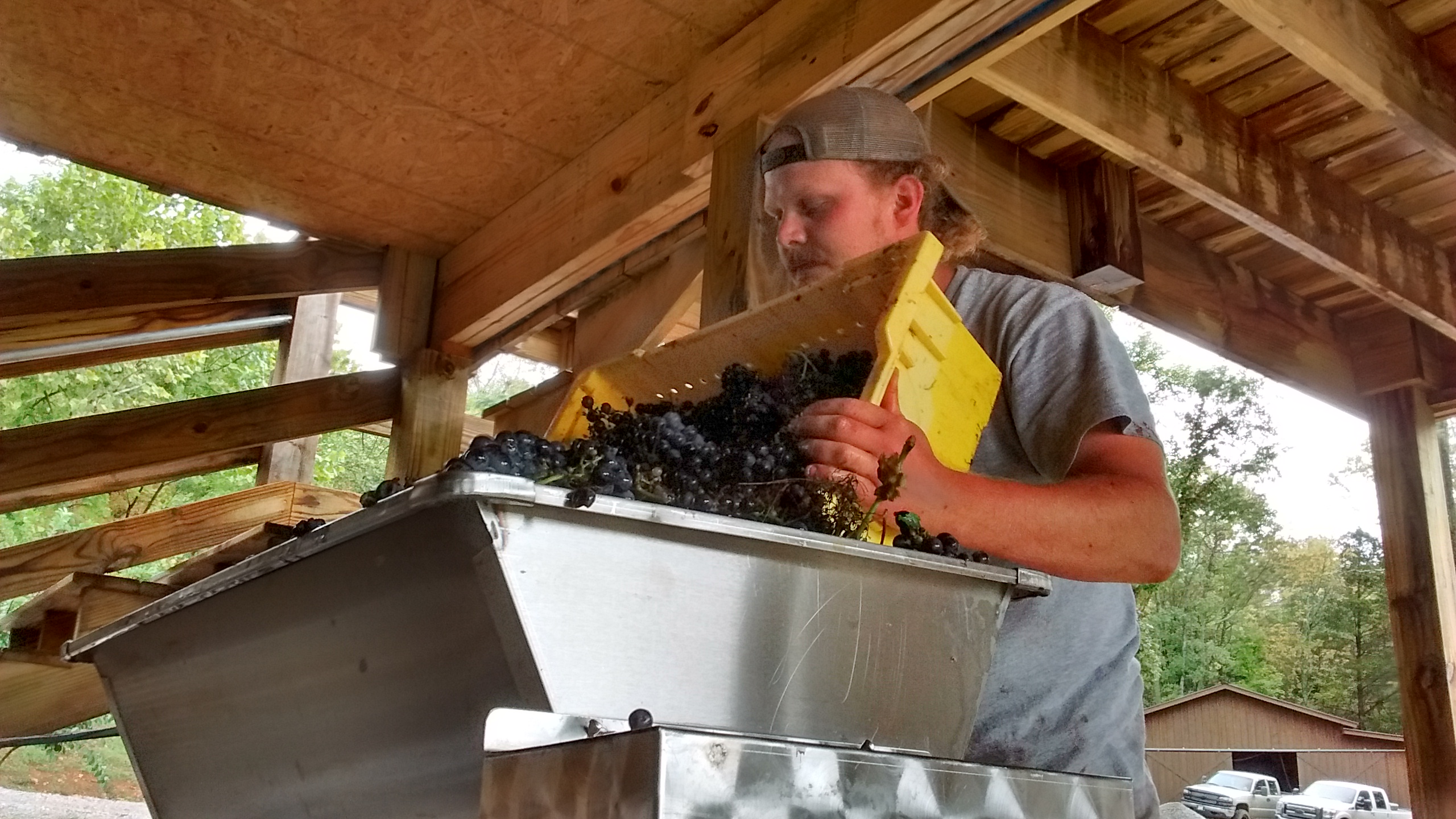
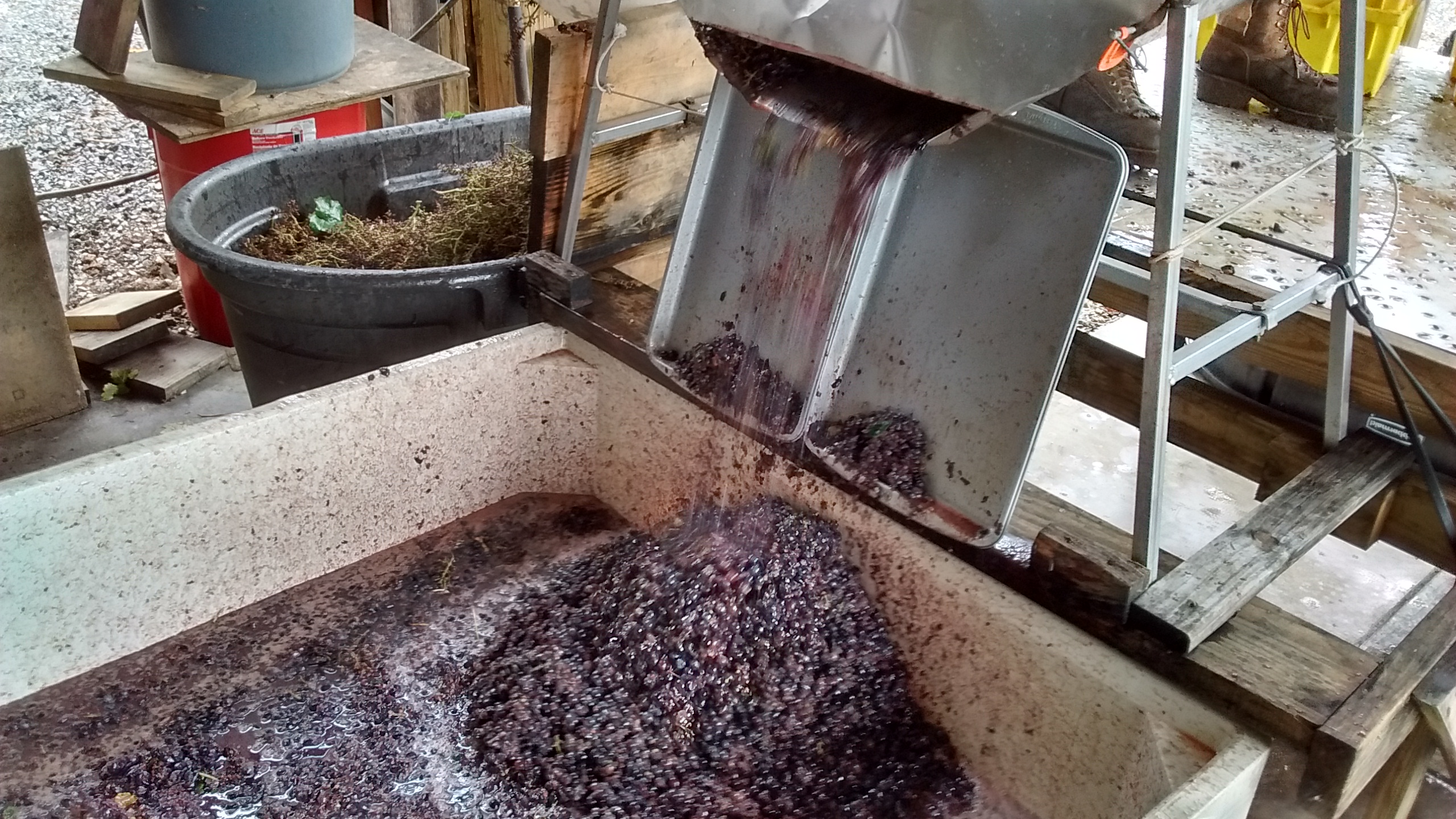
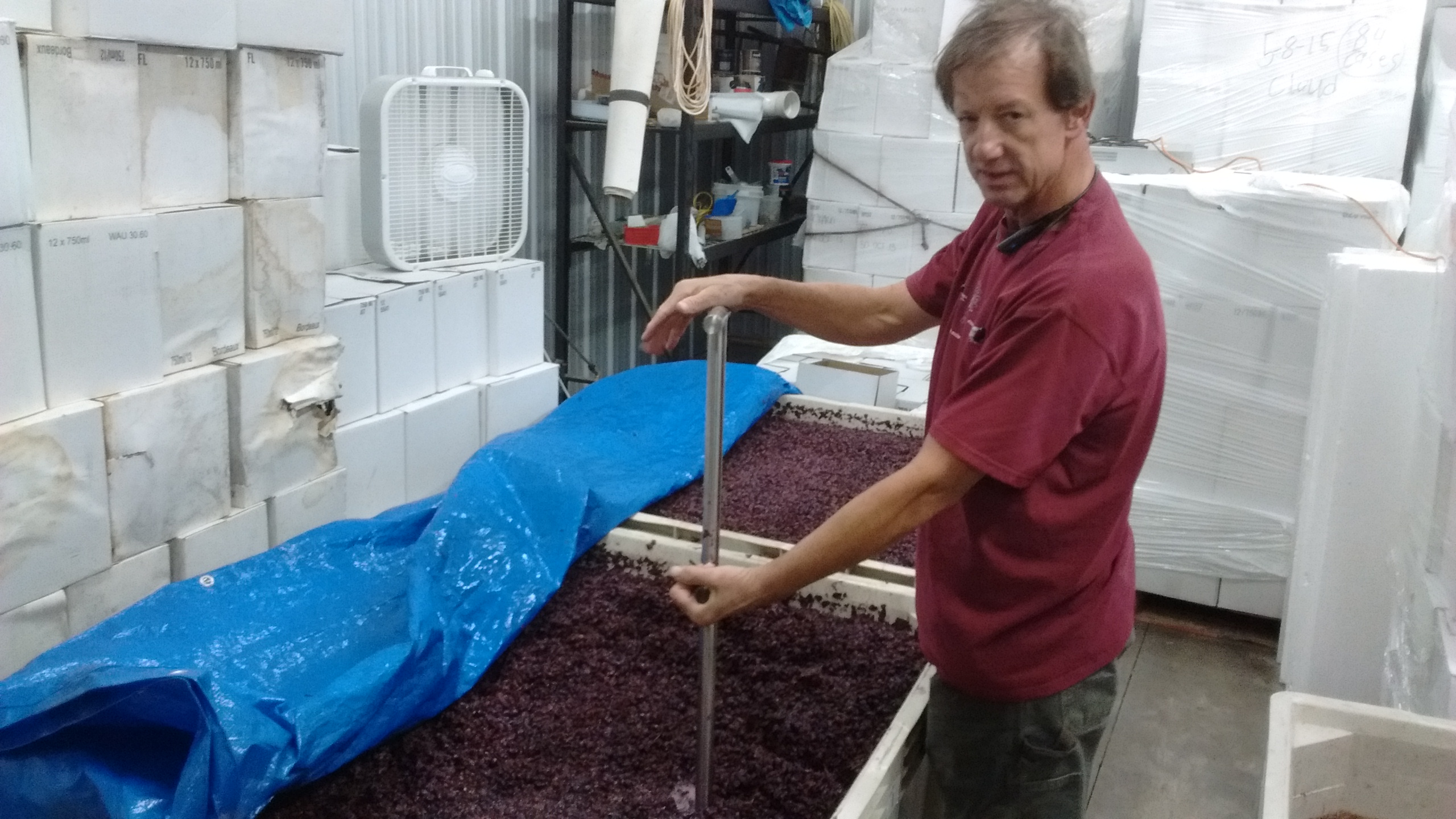
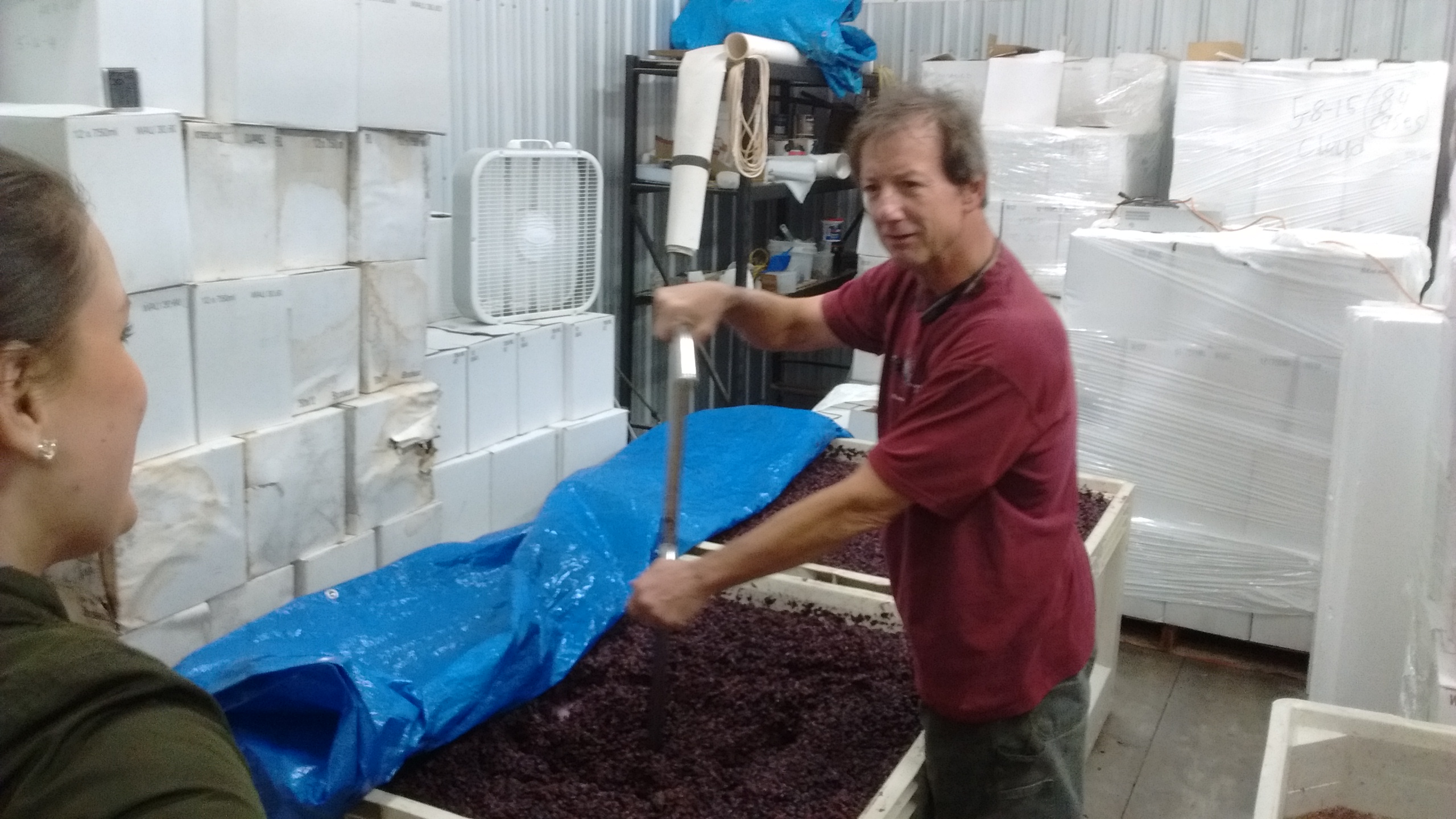
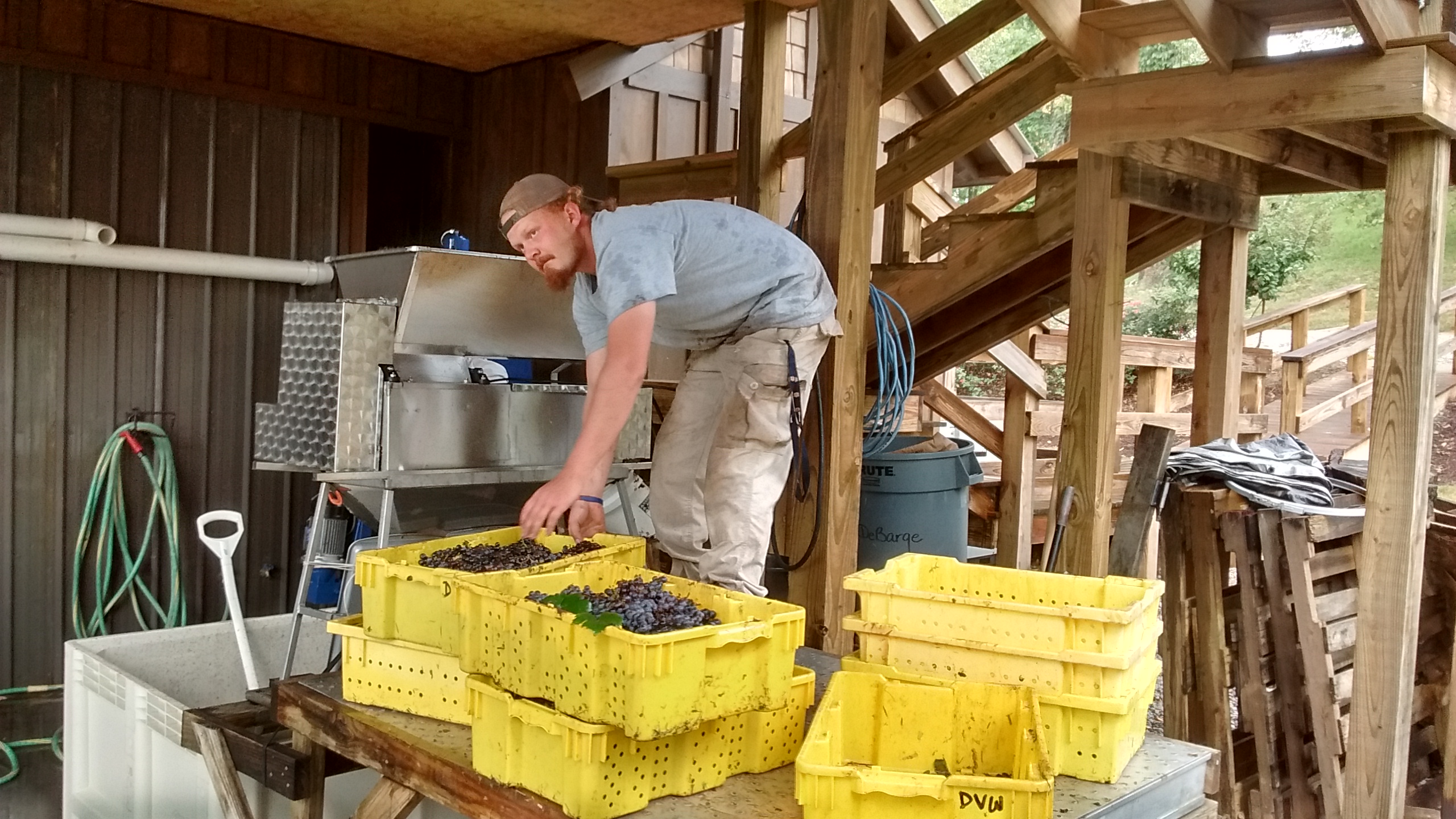
Five inches had already fallen in the first 10 days of October when a picking crew harvested some of the grapes at DeBarge’s 4-acre vineyard near Pigeon Mountain in Walker County.
“On years like this, it’s a challenge,” DeBarge said.
But he’s hardly throwing in the rain-soaked towel. DeBarge is experimenting to see what fine wine grapes grow best here.
“This is all trial and error,” he said.
DeBarge ripped out his chardonnay vines because he wasn’t happy with how they grew. But he’s doubling down on albarino, a small, tough-skinned Spanish white wine grape that he says can handle northwest Georgia’s high humidity.
“The albarino is a huge hit of theirs,” said Michelle Richards, the sommelier, or wine expert, at St. John’s Restaurant in downtown Chattanooga. She’s given DeBarge albarino in blind taste tests to albarino buffs and, “They were entirely impressed.”
“We’re proving that you can do vinifera,” said DeBarge, an eye surgeon who has an office in Fort Oglethorpe and traces his wine infatuation to a tour through France’s Burgundy region some 30 years ago.
Old grape and hybrid both grow here
DeBarge also grows Norton-Cynthiana, an American grape that’s been called the “Cabernet of the Ozarks,” and was the subject of a 2010 book, “The Wild Vine: A Forgotten Grape and the Untold Story of American Wine.”
Author Todd Kliman wrote about how Dr. Daniel Norton produced the hybrid grape in the 1820s in his experimental garden in Richmond, Va.
German immigrants took to the Norton grape, and in 1873, a Norton wine from Missouri won a prestigious gold medal at a competition in Vienna. But during prohibition, Norton vineyards were burned to the ground. Bootleggers helped keep the grape going, and now the cold-hardy, disease-resistant Norton is grown from Virginia to Texas and appears poised for a resurgence.
Norton doesn’t have the “foxy” flavor that other native grapes do. It tends to make a high-acid, light-tannin, low-alcohol wine.
Another grape that DeBarge is excited about is blanc du bois, which is easy to remember thanks to Blanche DuBois, the tragic heroine of Tennessee Williams’ play, “Streetcar Named Desire.”
Blanc du bois is a hybrid created by the University of Florida that can grow in hot, humid areas. It resists Pierce’s Disease, a bacterium that’s spread by insects that’s the bane of grape growers in the Southeast.
“I’ve had blanc du bois out of Texas, coastal Texas, where you would never, ever consider growing grapes,” DeBarge said. “This we can grow.”
DeBarge encouraged a Walker County neighbor to plant blanc du bois which DeBarge is making into wine.
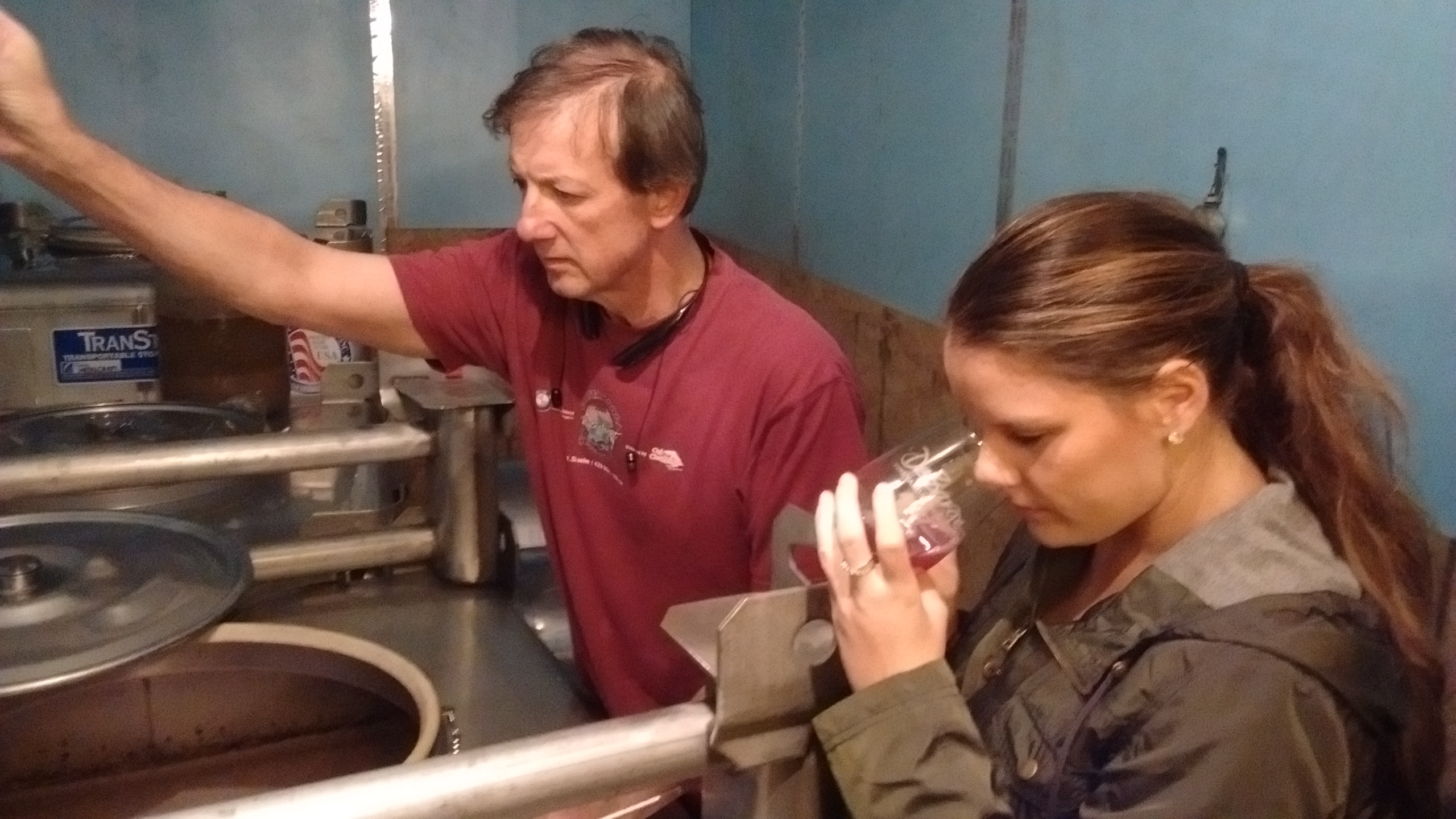
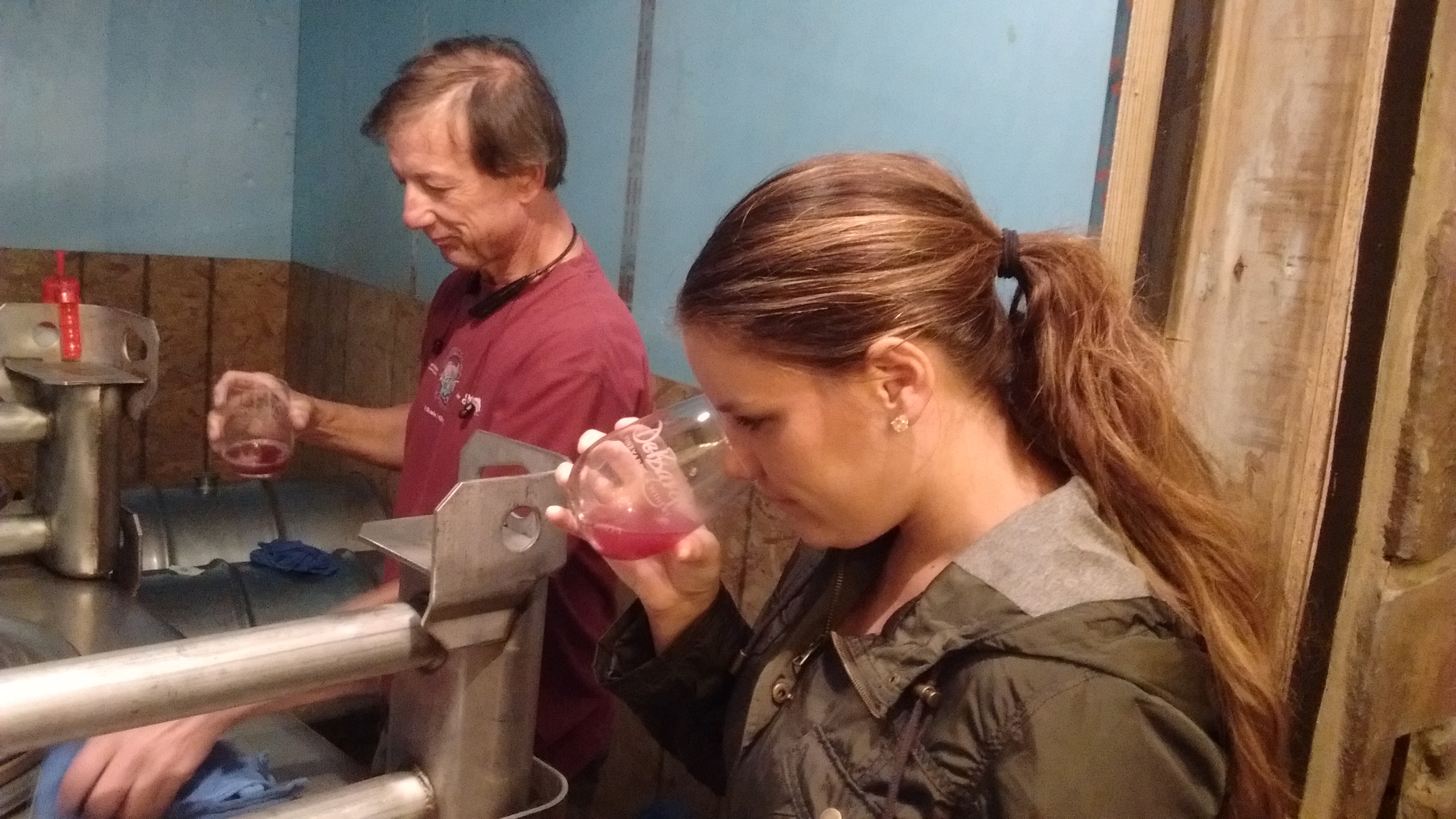
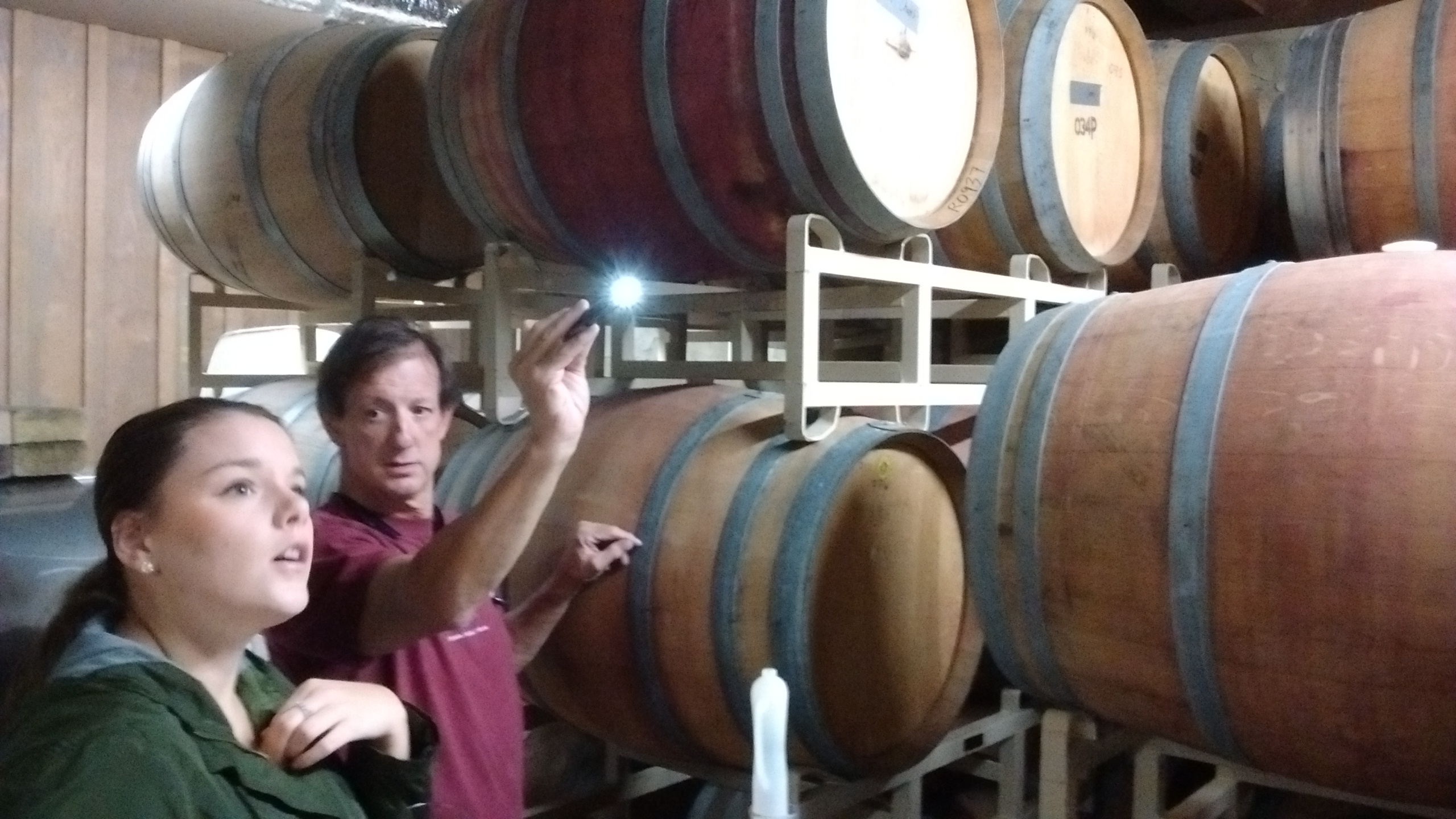
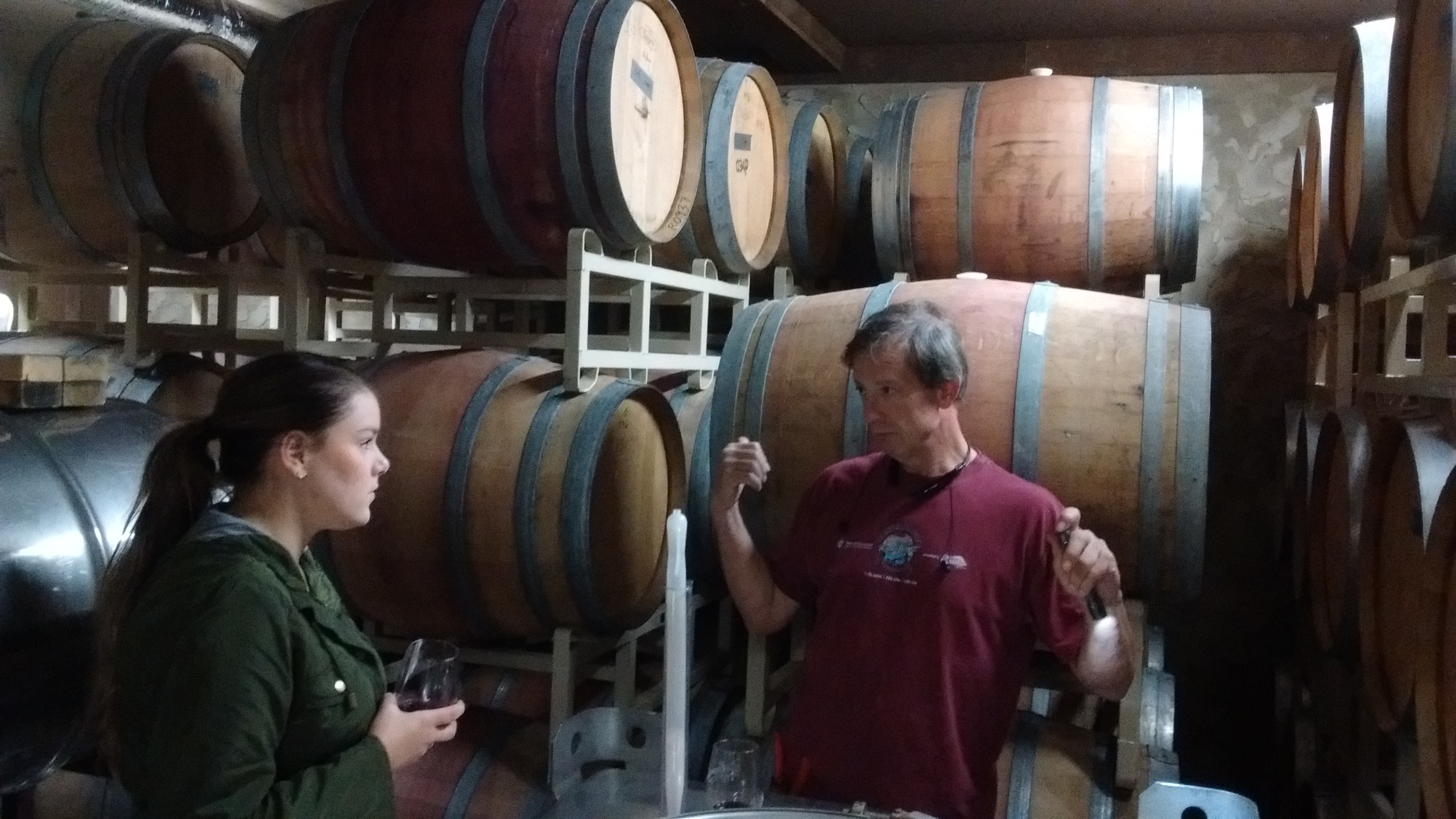
“Now, that you’ve never had,” DeBarge told Richards as he gave the sommelier a sample he pulled from a “wine thief,” or tube used to draw wine out of the barrel.
It was Richards’ first taste of the grape.
“It was very sauvingon blanc-esque,” she said of the blanc du bois’ citrusy flavor.
Not a muscadine fan
Muscadine is one grape that DeBarge won’t use to make wine. He just doesn’t like it.
Muscadine is native to the Southeast and grows here like a weed. It once was so common that it’s said sailors on the ships of the Spanish explorer, Hernando de Soto, could smell the grapes’ fragrance at sea as they drew near the shore.
Muscadine has been embraced by another prominent local winery, the Georgia Winery, which has a roughly 12-acre vineyard south of Flintstone, Ga., at the base of Lookout Mountain and a winery and tasting room on Battlefield Parkway near Interstate 75.
Georgia Winery struggled to grow European varietals for a decade before it finally gave up and went to a crop of all muscadine. Now, the winery doesn’t need to spray its vineyard to prevent mold, fungus and rot, because the muscadine grapes don’t need it.
But DeBarge is convinced that it’s possible for locally produced, non-muscadine wine to compete with those from anywhere – just as California stunned the French in 1976 by having the best chardonnay and cabernet sauvignon in a blind tasting in Paris, the so-called “judgment of Paris” that was portrayed in the 2008 film, “Bottle Shock.”
“Prior to prohibition, Georgia was the seventh-biggest grape producer in the country,” he said. “Ahead of California.”
Contact staff writer Tim Omarzu at tomarzu@timesfreepress.com or www.facebook.com/MeetsForBusiness or twitter.com/meetforbusiness or 423-757-6651.