
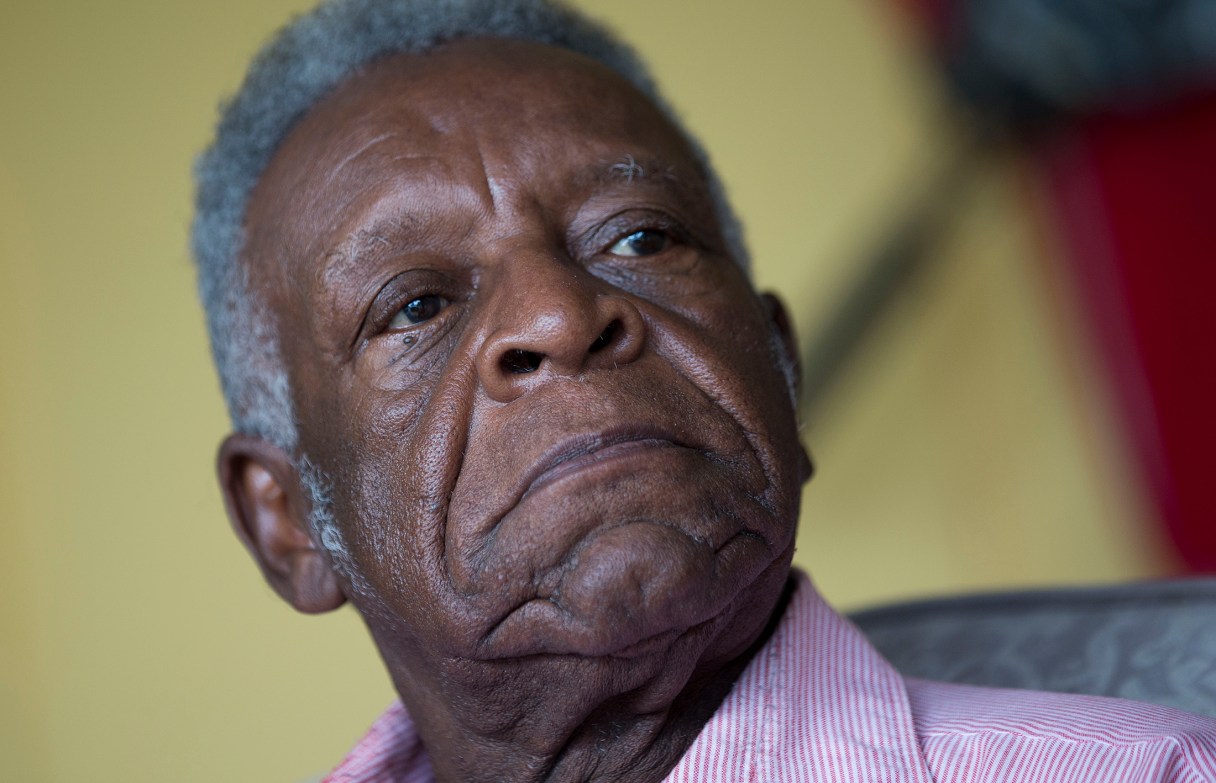

The case of Timothy Tyrone Foster before the U.S. Supreme Court is an intriguing one because, if decided legally instead of politically as so many of the recent decisions in the Roberts Court have been, it could shine the light on the whole jury selection process in the country.
At issue is whether potential black jury members were improperly singled out and kept off the subsequent all-white jury in the murder trial of Foster, who is also black, in Rome, Ga., in 1987.
In most U.S. trials involving juries, attorneys for both the prosecution and defense are allowed, in a process called voir dire, to question prospective jurors about their lives, their histories, their relationships to those in court, their interests, their knowledge of the case and various other matters in an effort to secure a jury more sympathetic to their respective side.
However, in the 1986 case Batson v. Kentucky, the Supreme Court ruled that a prosecutor’s use of a peremptory challenge – excluding a potential juror without stating a reason – in order to remove a minority group member cannot be based on race alone. It also encouraged trial judges to keep a careful watch over such challenges.
Foster’s lawyers have said over the years that prosecutors’ notes, such as a list marked “Definite No’s” that included the remaining five potential black jurors, proved that prosecutors’ use of peremptory challenges was, in fact, based on race.