
WASHINGTON (AP) – Confronting the consequences of high-priced drugs, the Obama administration Thursday pointedly reminded states that they cannot legally restrict access by low-income people to revolutionary cures for liver-wasting hepatitis C infection.
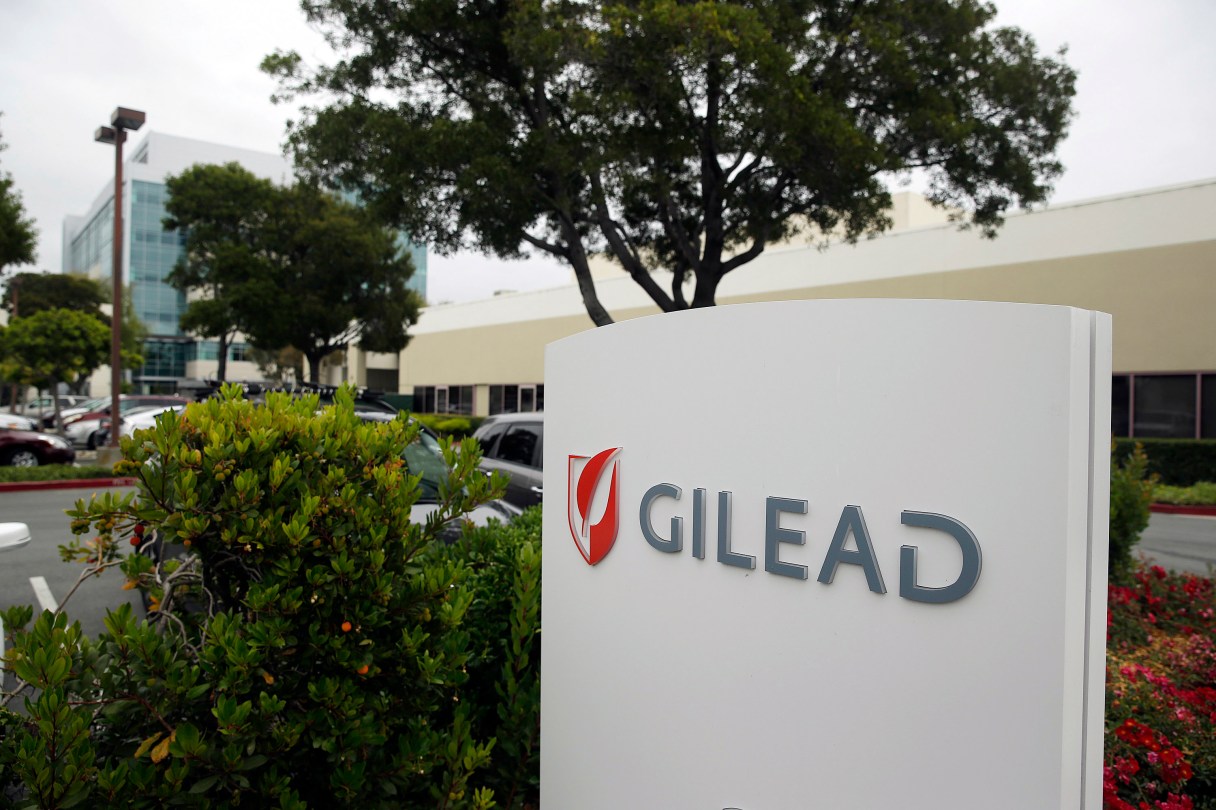
The federal Centers for Medicare and Medicaid Services also sent letters to several drug manufacturers, requesting details of what they are doing to make their medications more affordable. Among the companies getting federal letters was California based Gilead Sciences, maker of market-leading Harvoni.
The moves echoed government pressure decades ago to make sure that low-income people covered by federal-state Medicaid programs had access to ground-breaking HIV treatments. It’s coming at a time the cost of prescription drugs is the leading health care issue for the public, according to opinion polls.
Hepatitis C is a viral illness that affects some 3 million people in the U.S. and claims more lives here than AIDS. Patients say it feels like a bad flu that never goes away. While the disease advances gradually, it can ultimately destroy the liver, requiring a transplant to save the patient’s life.
Previous treatments were hit and miss, and many patients couldn’t tolerate the side effects. With new drugs like Harvoni and Viekira Pak, patients finally have a choice among highly effective cures with minimal side effects. But with a course of treatment priced at around $100,000, the costs are straining government programs and private insurers alike.