
NASHVILLE – Tennessee law enforcement agencies seized almost $86 million in cash from 2009 to 2014 through use of state civil forfeiture laws allowing the money to be confiscated without criminal charges – let alone convictions, according to a new report.
The total take is likely even higher since figures don’t include values of real or personal property such as cars and boats taken, according to the report, issued by the Institute for Justice, a libertarian public-interest law firm.
 Sen. Mike Bell
 Rep. Brian Kelsey, R-Germantown, speaks on the floor of the House during the opening session Jan. 13, 2009, in Nashville.
 Shelby County prosecutor Steve Jones, who also represents the West Tennessee Violent Crime and Drug Task Force, speaks to the Senate Judiciary Committee in Nashville on Monday on the possibility of changing the asset forfeiture laws.
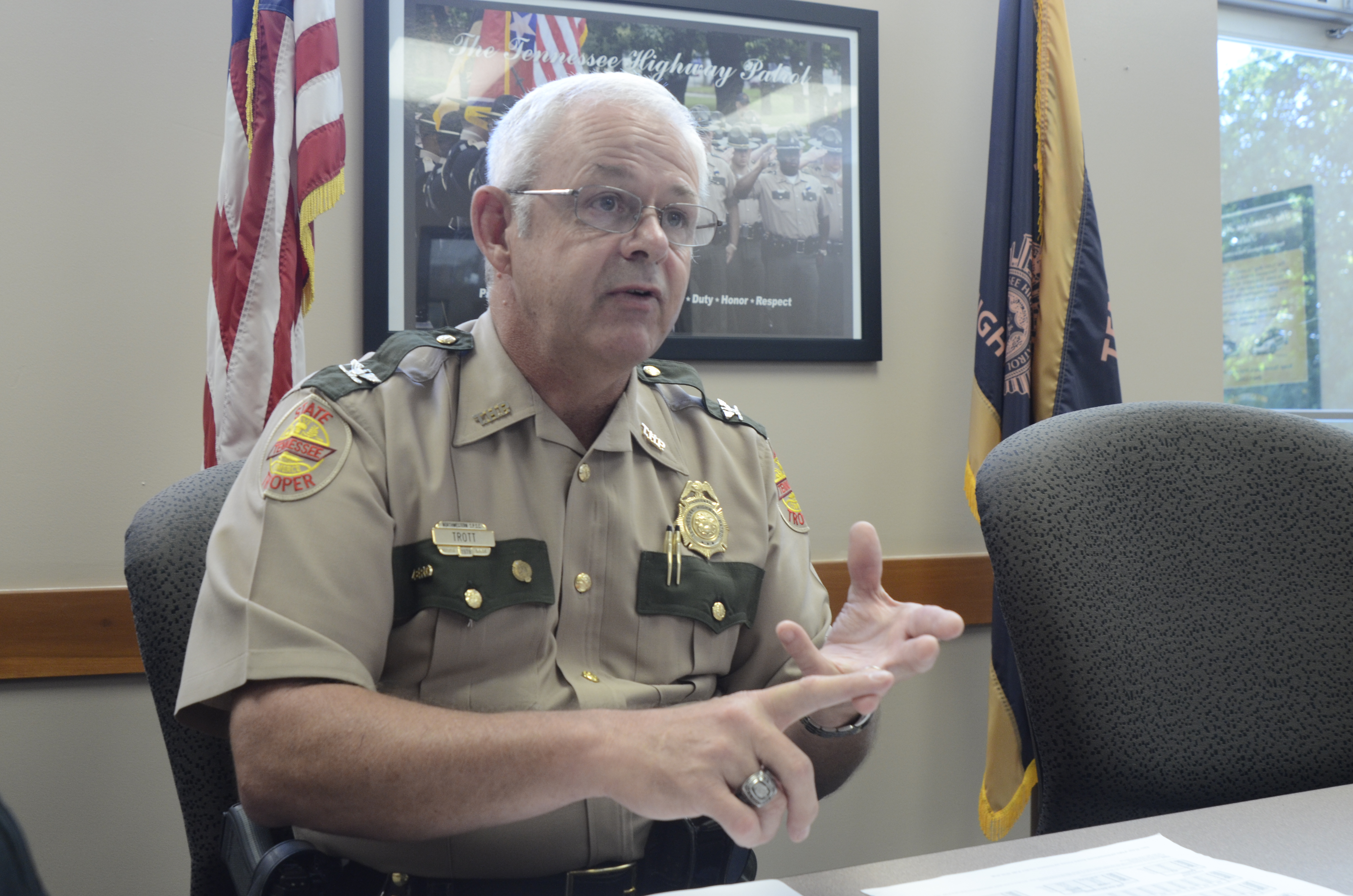 Col. Tracy Trott, with the Tennessee Highway Patrol, speaks about more trooper patrols in Chattanooga on Monday in the District 2 headquarters on Cummings Highway.
And that’s not counting another $69 million Tennessee police agencies received between 2000 and 2013 through a U.S. Department of Justice asset-splitting program known as equitable sharing. That was enough to win Tennessee the 26th place in the national rankings on equitable sharing. Agencies also got another $10 million or so from another joint federal asset seizure program. Add them all up and state law enforcement agencies have received at least $165 million since 2000.
The state’s civil forfeiture laws now have earned Tennessee something else: It’s a D- grade from the Institute for Justice in its report, “Policing for Profit: The Abuse of Civil Asset Forfeiture.”
Calling Tennessee’s policies “appalling,” the report takes aim at the Volunteer State. And not just here, but other states, including Georgia and Alabama, which also got D- grades. A total of 36 states had laws rated below C.