
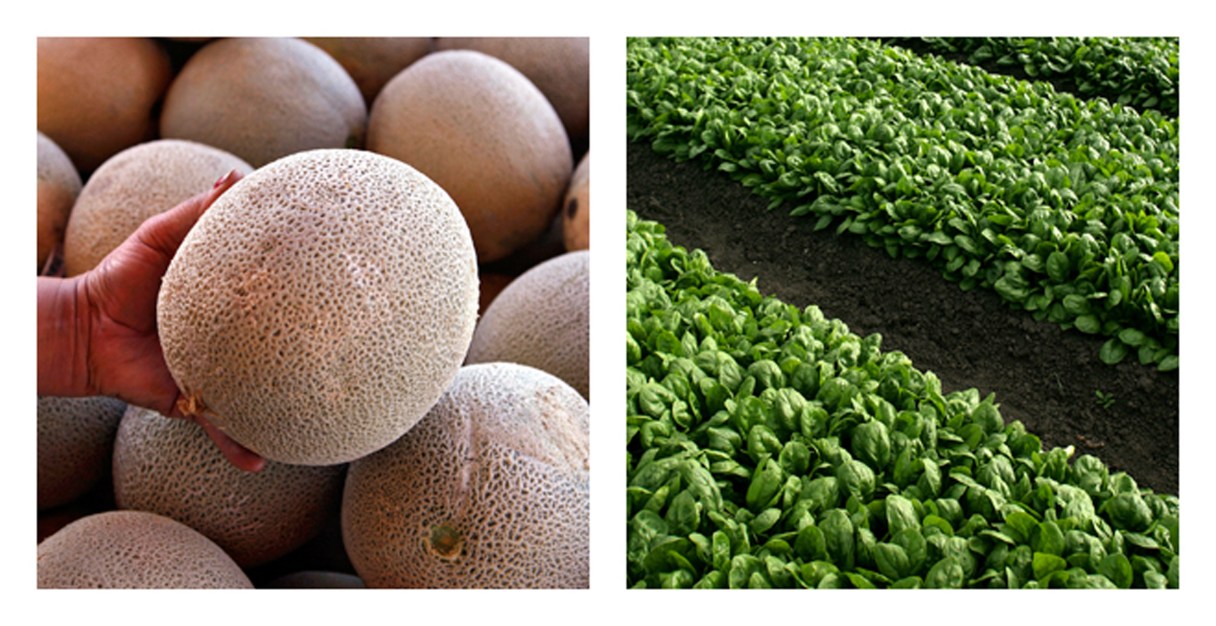
WASHINGTON (AP) – New produce safety rules from the government Friday are intended to help prevent the kind of large-scale outbreaks of foodborne illness that occurred over the past decade linked to fresh spinach, cantaloupes, cucumbers and other foods.
Under the rules, the government soon will have new oversight of the farms that grow Americans’ food. That means, for example, making sure workers are trained to wash their hands, irrigation water is monitored for harmful bacteria and animals do not leave droppings in fields.
The majority of farmers and food manufacturers already follow good safety practices, but the rules are intended to give greater focus on prevention in a system that has been largely reactive after large outbreaks. The Centers for Disease Control and Prevention estimate that 48 million people – or 1 in 6 people in the United States – are sickened each year from foodborne diseases, and an estimated 3,000 people die.
The Obama administration has said it wants people to eat more fruits and vegetables, so it is essential to ensure produce safety.
The regulations are tailored to cover foods and growing methods that pose the greatest risk, and they target produce such as berries, melons, leafy greens and other items usually eaten raw and more prone to contamination. A farm that produces green beans that will be cooked and canned, for example, would not be regulated. There are also exemptions for smaller farms.