
Thursday, November 12, 2026Nov 12

Kitty Genovese killer denied parole in notorious 1964 case

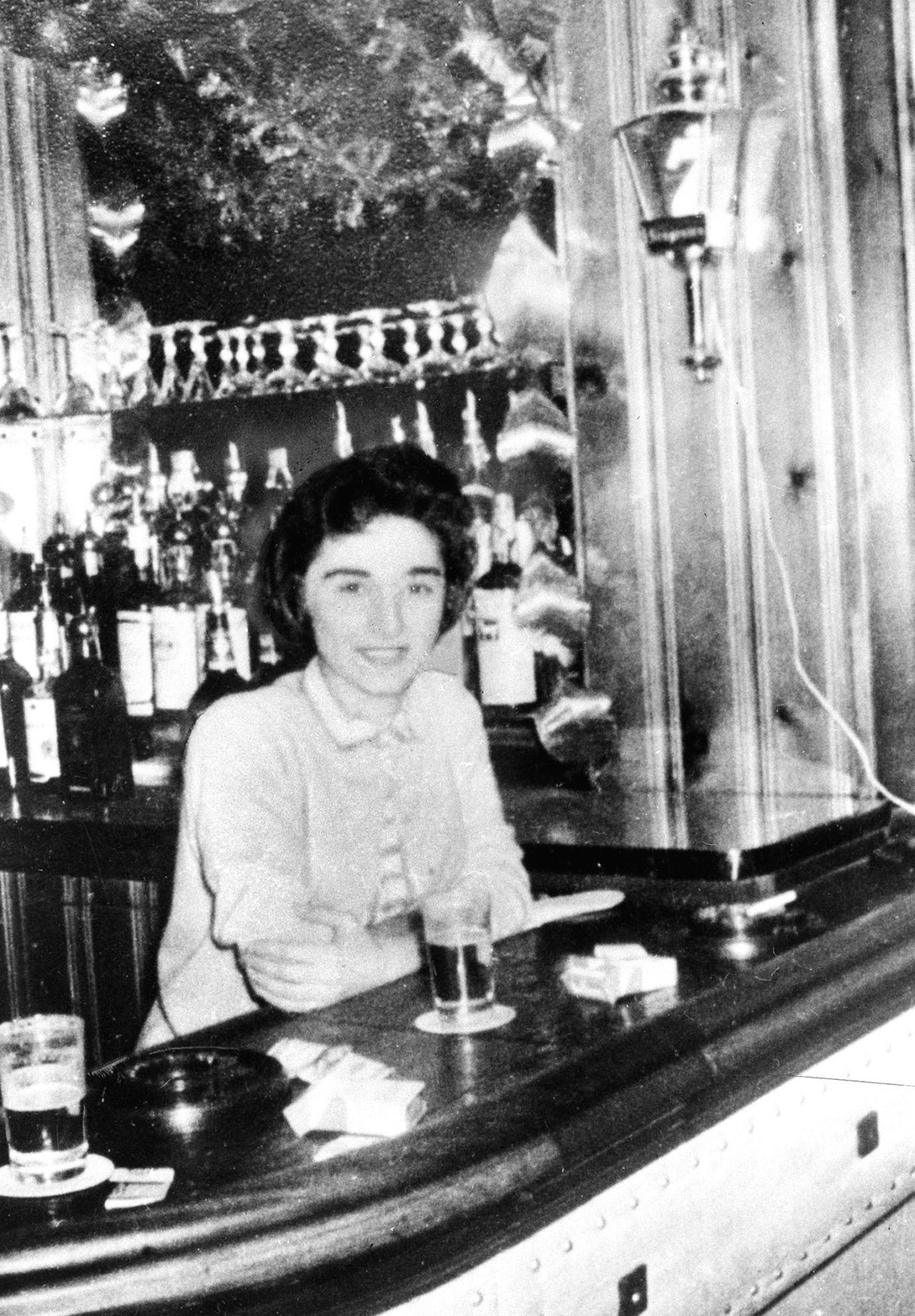
FILE- This undated file photo shows Kitty Genovese, whose screams could not save her the night she was stalked and killed in 1964 in the Queens neighborhood of New York. Winston Moseley, convicted of killing the bartender, has been denied parole for the 18th time,  officials said Tuesday, Nov. 17, 2015.  (AP Photo/New York Daily News, File) NO SALES MAGS OUT, NYC OUT
FILE- This undated file photo shows Kitty Genovese, whose screams could not save her the night she was stalked and killed in 1964 in the Queens neighborhood of New York. Winston Moseley, convicted of killing the bartender, has been denied parole for the 18th time, officials said Tuesday, Nov. 17, 2015. (AP Photo/New York Daily News, File) NO SALES MAGS OUT, NYC OUT FILE- This undated file photo shows Kitty Genovese, whose screams could not save her the night she was stalked and killed in 1964 in the Queens neighborhood of New York. Winston Moseley, convicted of killing the bartender, has been denied parole for the 18th time, officials said Tuesday, Nov. 17, 2015. (AP Photo/New York Daily News, File) NO SALES MAGS OUT, NYC OUT

NEW YORK (AP) – The man convicted of killing bartender Kitty Genovese has been denied parole more than half a century after a crime that became a symbol of urban breakdown, officials said Tuesday.

Citing “the extreme violence you exhibited and callous disregard” for Genovese, a parole board turned down Winston Moseley’s 18th bid for release. Now 80 and New York’s longest-serving inmate, he is serving a 20-years-to-life sentence in the 1964 stabbing of Genovese and a 1968 prison breakout, during which he held hostages in Buffalo before being recaptured.

“You still minimize the gravity of your behavior and did not exhibit much insight” in a Nov. 9 interview, the parole board wrote.

It’s unclear whether Moseley has a lawyer who can comment on the decision, and the interview transcript hasn’t yet been released. In earlier parole board interviews and letters to newspaper editors, he has said he is a changed man who is appalled by his violent past.

“I know that I did some terrible things, and I’ve tried very hard to atone for those things in prison,” he said in a November 2013 parole interview. “I think almost 50 years of paying for those crimes is enough.”