

On Veterans Day, the Chattanooga Symphony & Opera and Lee University Singers collaborated in a fine concert to honor past and present service men and women. The music catalyzed complex memories of my contacts with many veterans that extend over decades.
In LaGrange, Ga., the city of my boyhood, my Great Uncle Ruben, a general practitioner, was my first hero. My idea of a medical career originated with him.
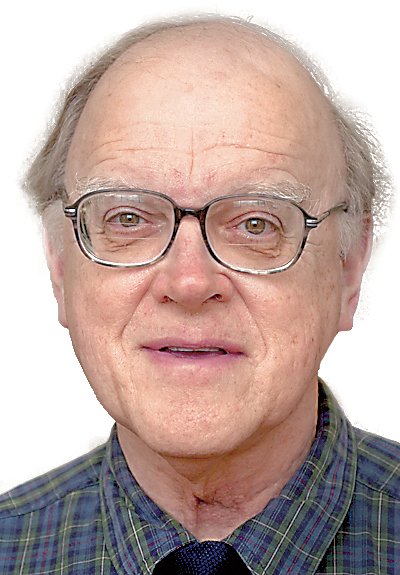 Clif Cleaveland
I knew that he had volunteered early in World War I to serve in the British Army and that much of that service was in France. Although I occasionally pressed him for details, he shared little of his experience. But one evening, late in his life, he told me of a devastating attack with chlorine gas that killed and injured many soldiers. His deep and chronic cough dated from that attack.
I also learned of an artillery round that struck the evacuation hospital in which he served and of a resulting shortage of anesthetics as the caregivers tended to those wounded in the attack. By that time, my premedical studies were underway. Perhaps I was finally old enough to be entrusted with those memories.
During my Army service, I spent several weeks at Fort Sam Houston in San Antonio, where I met a young lieutenant who had been severely burned in Vietnam. While undergoing continued skin grafting, he formulated plans for his post-military career; he wanted to be an engineer. I wonder how his post-military life unfolded.
For years in my Chattanooga medical practice, I was privileged to know a veteran of World War II who embodied traits that I have witnessed in others. Soon after the Normandy landings, he suffered multiple gunshot wounds that left him with a withered arm and badly damaged legs.
Despite these limitations, he never exhibited bitterness. Rather, he possessed a quiet optimism that lifted my spirits at the time of his medical appointments. He found peace and comfort in his flower garden, which I visited on one occasion. I sensed that the creation of beauty was a powerful antidote to suffering that he had seen and experienced.
Another patient had served three tours in Vietnam. He was disabled by the invisible wounds that we now term post-traumatic stress disorder. He alluded sometimes to sudden or prolonged combat, but ignored my suggestions for psychiatric counsel.
My nurse and I seemed to represent some sort of safe haven where he might occasionally speak of lost comrades and past times of danger and fear. Sometimes he fought back tears. His heroism manifested itself in choosing to stay alive. Quiet routines of daily living sustained him in the years before his death from vascular disease.
I have known countless veterans in a variety of settings. Most were drafted into service; some enlisted, sometimes for patriotic reasons, sometimes to gain funding for further education or for a fresh start in life. I have known some career servicemen of all ranks. Despite the complex and sometimes harrowing stresses they might have encountered in their years of military service, the great majority of veterans maintained commitments of service in their various civilian careers. Their steady focus was upon their futures as members of families and communities.
Most of the veterans at the Nov. 11 concert were elderly. They seemed reverent and somber. They stood for the national anthem, the playing of taps and the anthem of their branch of service. Spouses and other family members, including grandchildren, accompanied many veterans. Sacred memories were honored before the crowd dispersed into a quiet Chattanooga evening.
Contact Clif Cleaveland at ccleaveland@timesfreepress.com.