
Sunday, November 15, 2026Nov 15

Massachusetts AG proposes tighter regs for fantasy sports

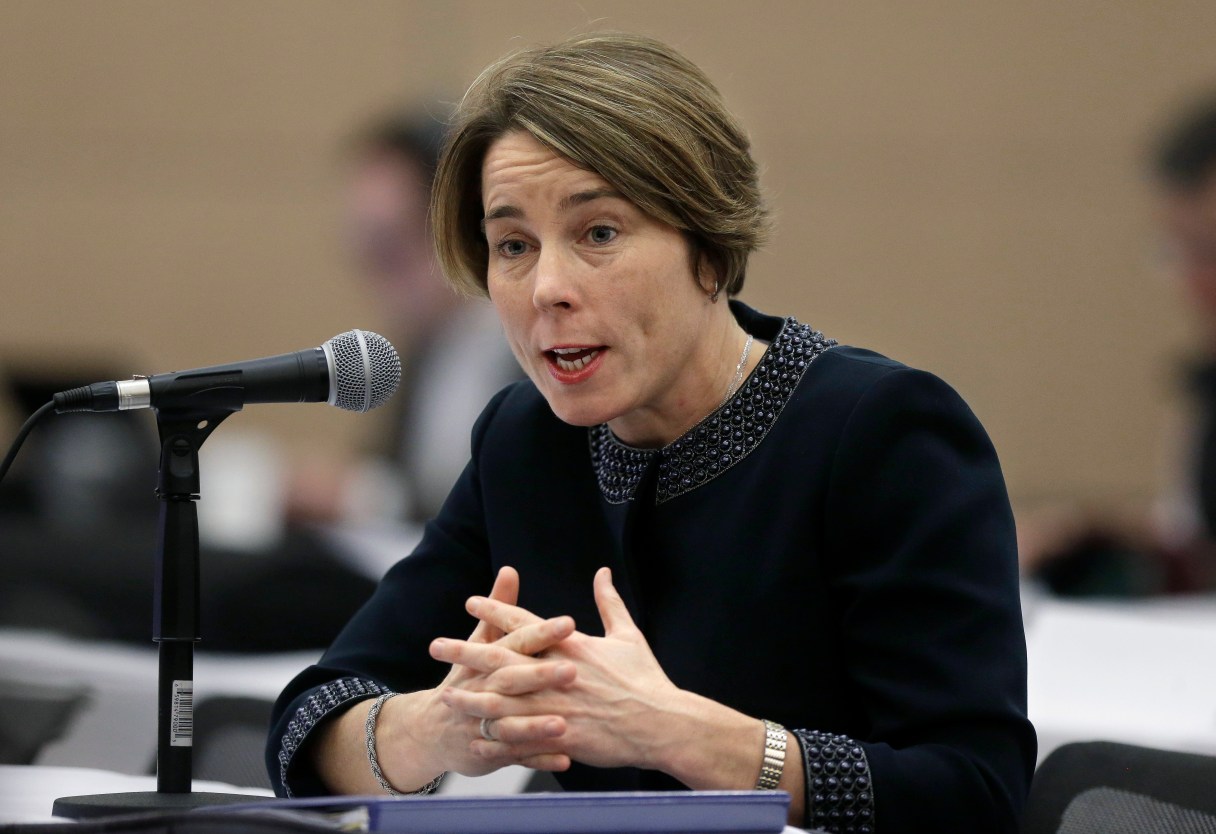
FILE - In this Jan. 22, 2015, file photo, Massachusetts Attorney General Maura Healey testifies before the Massachusetts Gaming Commission, in Boston. Daily fantasy sports companies like FanDuel and Boston-based DraftKings would be allowed to continue operating in Massachusetts, but with age and advertising restrictions, disclosure requirements and other new rules proposed Thursday by the state's attorney general. Maura Healey announced what she called an aggressive, first-in-the-nation plan to regulate the websites after her office spent several weeks reviewing whether the contests were legal in the state. (AP Photo/Steven Senne, File)

BOSTON (AP) – Daily fantasy sports companies like FanDuel and Boston-based DraftKings would be allowed to continue operating in Massachusetts, but with age and advertising restrictions, disclosure requirements and other new rules proposed Thursday by the state’s attorney general.

Maura Healey announced what she called an aggressive, first-in-the-nation plan to regulate the websites after her office spent several weeks reviewing whether the contests were legal in the state.

“This is an industry that cries out for transparency and robust consumer protection,” she said. “These are games you carry around with you in your pocket and lose money at the touch of a button.”

Among the regulations would be a ban on anyone under 21 participating and a ban on advertising or promotion of the contests at schools or college campuses. Professional athletes and others connected to pro sports would also be banned from entering contests in their particular sport.

Most players would be limited to depositing $1,000 per month on games, and the companies would be required to identify “highly-experienced” players on all contest platforms and offer “beginner” games that would be off limits to the more experienced players.