
WASHINGTON (AP) – Impoverished migrant workers in Thailand are sold or lured by false promises and forced to catch and process fish that ends up in global food giant Nestle SA’s supply chains.
The unusual disclosure comes from Geneva-based Nestle SA itself, which in an act of self-policing planned to announce the conclusions of its yearlong internal investigation on Monday. The study found virtually all U.S. and European companies buying seafood from Thailand are exposed to the same risks of abuse in their supply chains.
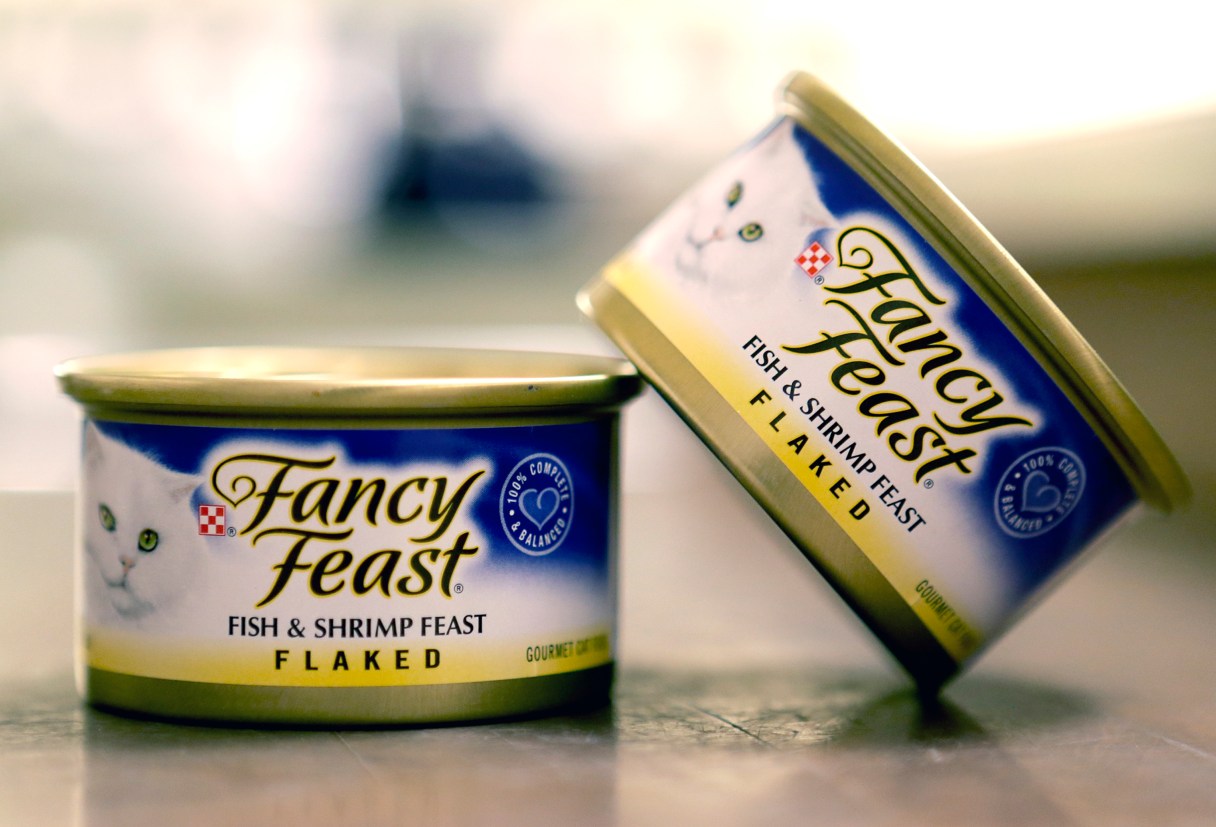
Nestle SA, among the biggest food companies in the world, launched the investigation in December 2014, after reports from news outlets and nongovernmental organizations tied brutal and largely unregulated working conditions to their shrimp, prawns and Purina brand pet foods. Its findings echo those of The Associated Press in reports this year on slavery in the seafood industry that have resulted in the rescue of more than 2,000 fishermen.
The laborers come from Thailand’s much poorer neighbors Myanmar and Cambodia. Brokers illegally charge them fees to get jobs, trapping them into working on fishing vessels and at ports, mills and seafood farms in Thailand to pay back more money than they can ever earn.
“Sometimes, the net is too heavy and workers get pulled into the water and just disappear. When someone dies, he gets thrown into the water,” one Burmese worker told the nonprofit organization Verite commissioned by Nestle.