
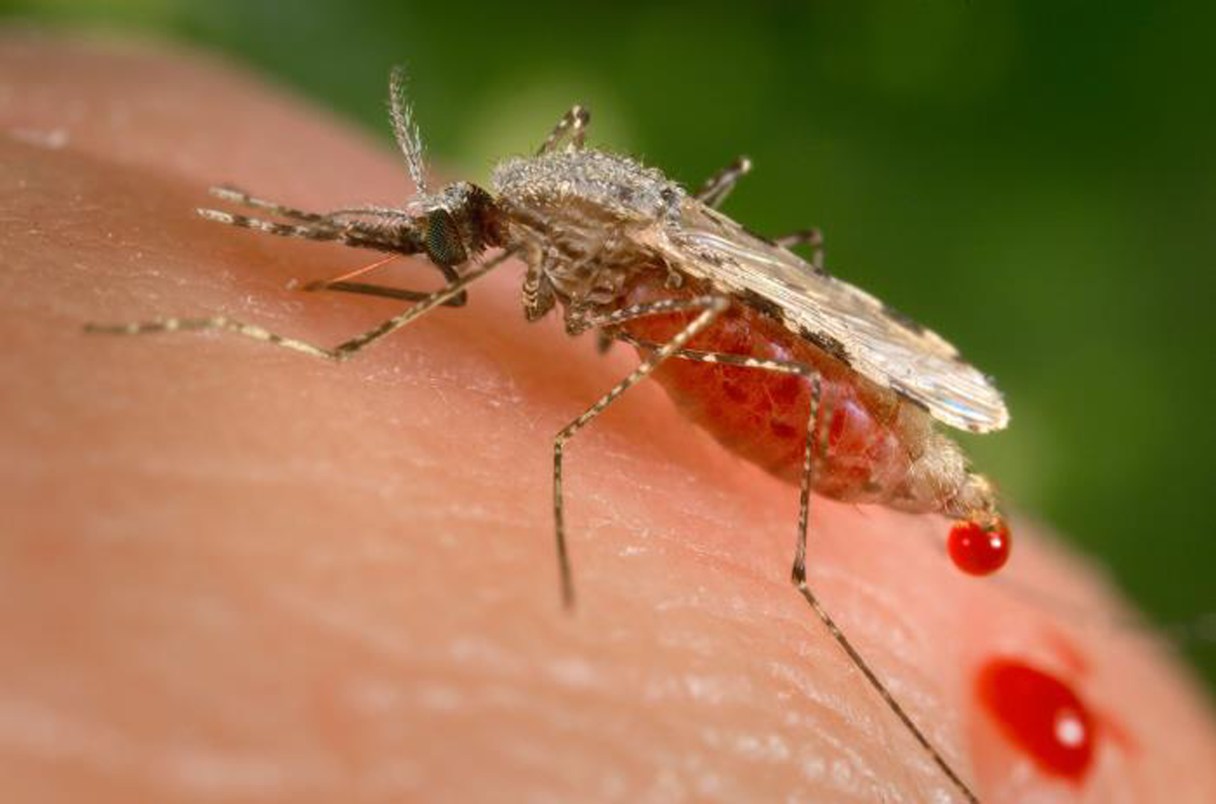
WASHINGTON (AP) – California researchers hatched some malaria-resistant mosquitoes and then gave evolution a shove – using a groundbreaking technology to ensure the insects pass on that protective gene as they reproduce, with implications far beyond the promise of fighting malaria.
The experiment reported Monday involves what’s called a “gene drive,” a technique that, if it pans out, promises to alter the genetics of populations of insects and certain plants and animals faster than Mother Nature could.
Normally, genes have a 50-50 chance of being inherited. University of California researchers created a strain of mosquitoes that could pass a specially engineered malaria-blocking gene to about 99 percent of their offspring.
The mutant mosquitoes, kept in a secured lab, highlight the promise of this technology along with questions about when and how it might be safe to try it in the wild.
“This is a major advance because it shows that gene drive interventions will likely be effective in mosquito vectors of disease,” said biologist Kevin Esvelt of Harvard’s Wyss Institute for Biologically Inspired Engineering, a gene drive researcher who wasn’t involved with the newest study.