
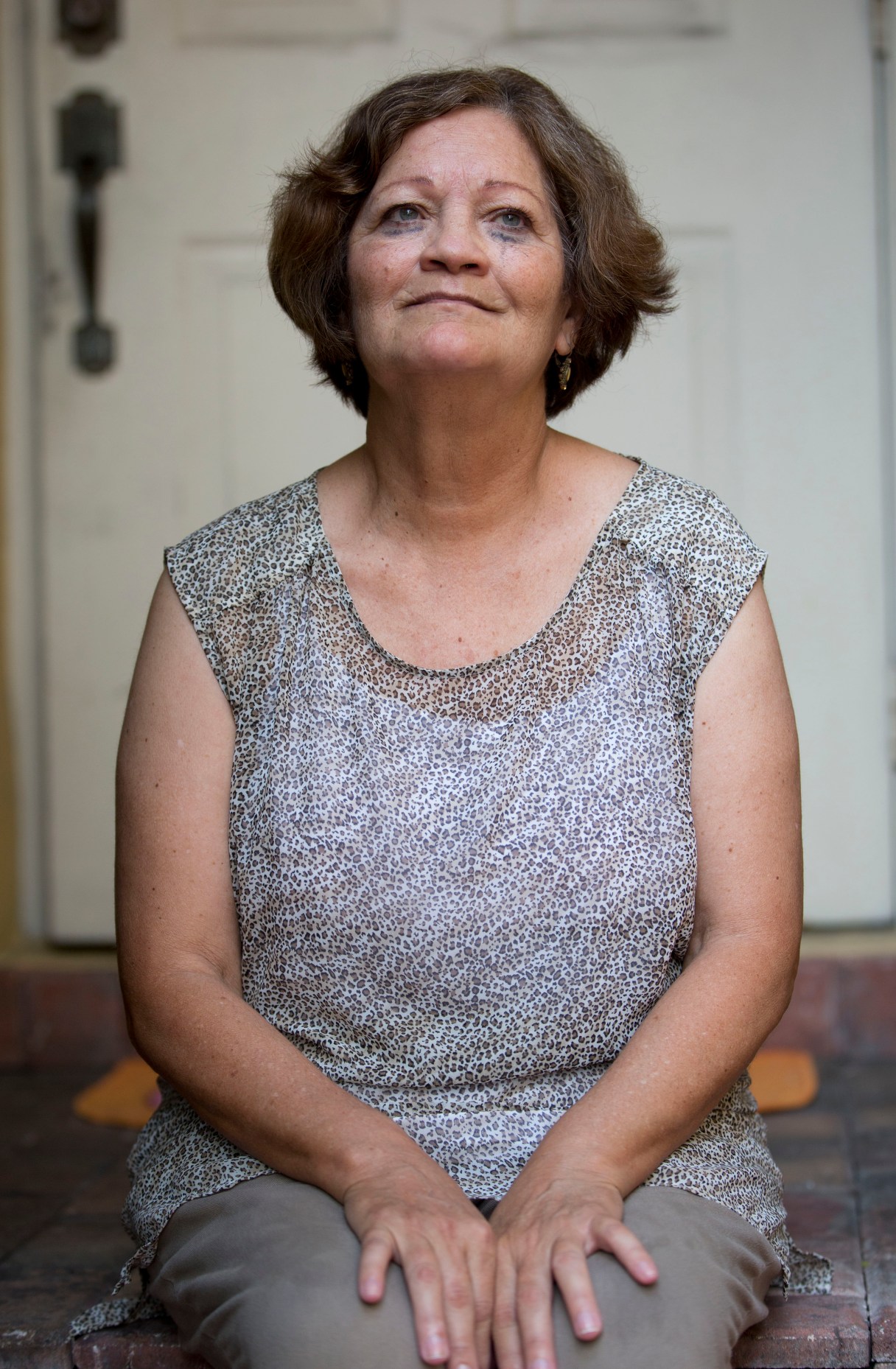
MIAMI (AP) – Diabetes, arthritis and open-heart surgery have kept Sherice Bennett from working, but she can’t afford her medicine and became homeless while waiting more than two years for a chance to convince a judge that she qualifies for federal disability benefits.
Maria Ruiz also is waiting to appeal her denial; meanwhile, she’s been in and out of psychiatric wards since being diagnosed as bipolar, and hasn’t been able to buy her meds since August.
Still others die waiting. One man had already been dead for two months this summer before his request for a hearing reached the desk of Miami Judge Thomas Snook. He ultimately approved the claim and the man’s spouse will collect his benefits.
Overburdened administrative judges are working through huge caseloads of these appeals all over America, but Miami has the country’s longest average wait for a hearing, at 22 months. While they wait, many slip into poverty, burdening their families and dragging down the economy. Experts blame the number of aging baby boomers for the backlog, which piled up after the Social Security Administration got $1 billion less in funding than it sought for more staff.
The roughly $126 billion Social Security disability program, funded through payroll taxes, keeps many of America’s most vulnerable people off the streets by sending an average $1,165 monthly check to about 9 million permanently unemployed who qualified through prior work history. More than 8 million others qualify because they are low-income, and receive an average $540 a month. Both groups require medical proof that they can’t work.