
Tuesday, November 3, 2026Nov 3

This story is free to read.

60 years after boycott, using Montgomery bus can be trying

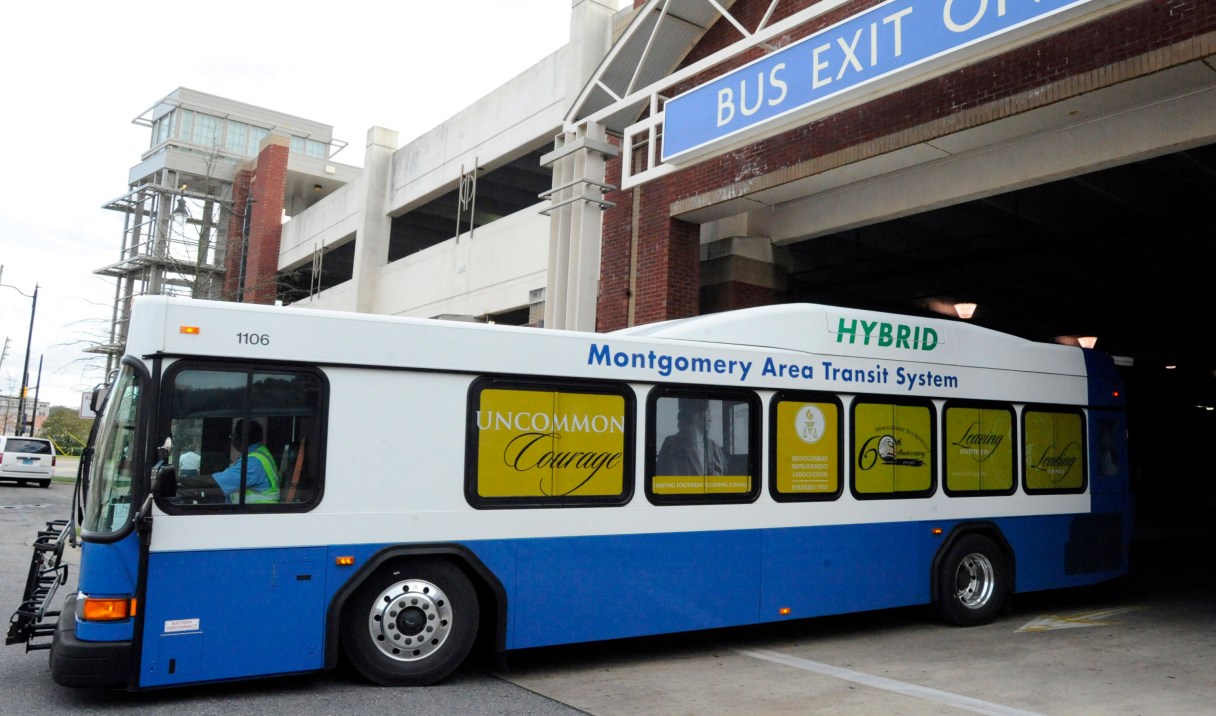
This photo taken Monday, Nov. 17, 2015, shows a bus decorated to honor Rosa Parks leaving the main station in Montgomery, Ala., near the 60th anniversary of a bus boycott widely credited with helping spark the modern civil rights movement. Six decades after Parks was arrested for refusing to give up her bus seat to a white man, the city’s buses have a mostly black ridership and are the target of frequent complaints about poor service. (AP Photo/Jay Reeves)
This photo taken Monday, Nov. 17, 2015, shows a bus decorated to honor Rosa Parks leaving the main station in Montgomery, Ala., near the 60th anniversary of a bus boycott widely credited with helping spark the modern civil rights movement. Six decades after Parks was arrested for refusing to give up her bus seat to a white man, the city’s buses have a mostly black ridership and are the target of frequent complaints about poor service. (AP Photo/Jay Reeves) This photo taken Monday, Nov. 17, 2015, shows a bus decorated to honor Rosa Parks leaving the main station in Montgomery, Ala., near the 60th anniversary of a bus boycott widely credited with helping spark the modern civil rights movement. Six decades after Parks was arrested for refusing to give up her bus seat to a white man, the city’s buses have a mostly black ridership and are the target of frequent complaints about poor service. (AP Photo/Jay Reeves)

MONTGOMERY, Ala. (AP) – Two blocks from where Rosa Parks refused to give up her bus seat to a white passenger in 1955, 17-year-old Tanesha Wilson listens to earbuds as she waits for the No. 8. She takes two buses each afternoon to her fast food job after mornings spent studying math and science to earn her GED.

“I don’t have a car,” she said, waiting outside a transfer station with mostly African-American riders. “I have to take the bus.”

Sixty years after Parks’ arrest, the overwhelmingly black ridership of Montgomery’s bus system no longer faces legalized racial segregation – but they face a bus system advocates call inadequate.

Montgomery’s system, like public transportation in many cities, is facing declining passenger numbers, tight budgets and government policy that value freeways over mass transit.