
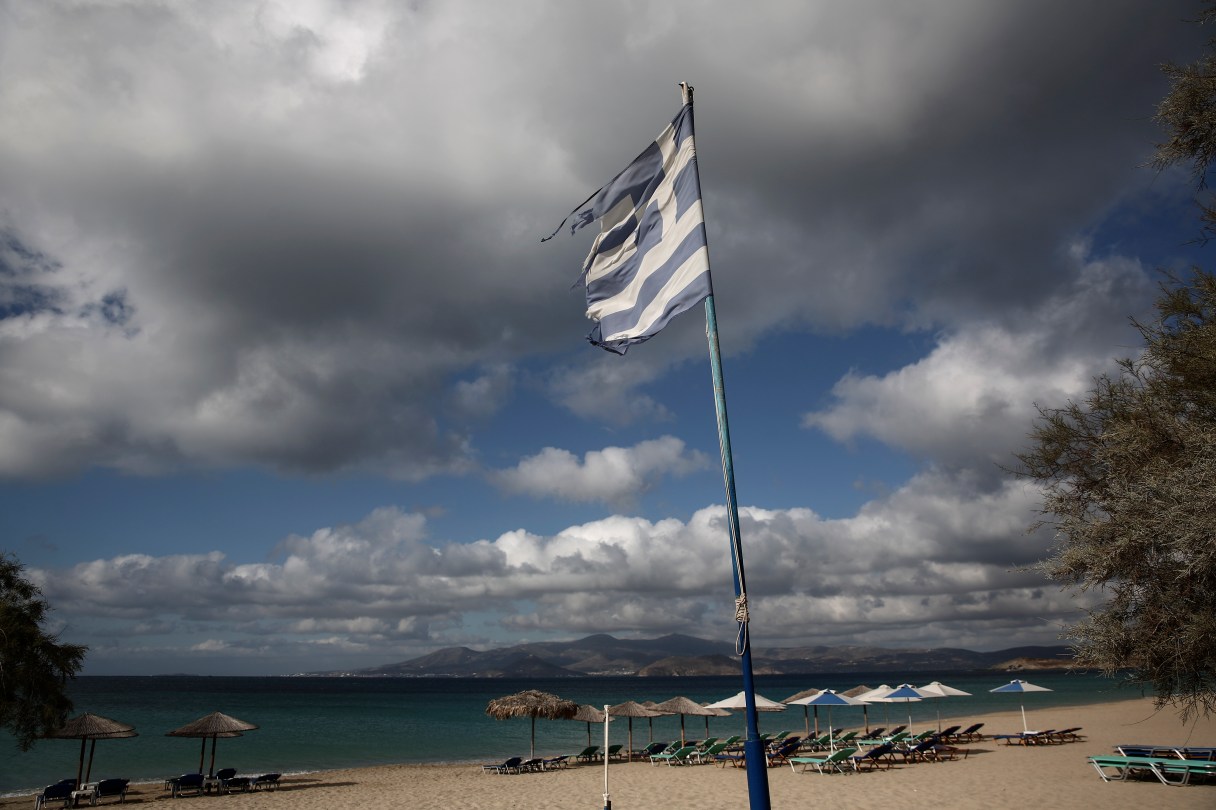
NAXOS, Greece (AP) – It doesn’t have the glitz and glamour of nearby Mykonos, nor Rhodes’ steady stream of European charter flights disgorging package tourists. The island of Naxos, with its inland verdant mountains and kilometers of sandy beaches, is considered more a quiet family holiday destination as well as a producer of top agricultural products, including its famed cheese.
Now it is among six Greek islands that are seeing sales tax increase by 30 percent on Thursday – one of a series of creditor-demanded reforms in return for Greece’s third international bailout. And locals fear it could hammer their fragile tourism and agricultural industry.
“The VAT increase will definitely have an effect. On the permanent residents initially, and in particular on the pensioners and salaried employees whose purchasing power will be reduced,” said Naxos Deputy Mayor Dimitris Lianos. “Of course it will also negatively affect tourism, livestock farming and agricultural production” and inhibit investment on the island.
For decades, Greece’s Aegean islands – many of them very small and remote – had enjoyed a value added tax rate 30 percent lower than the rest of the country, in an effort to offset increased transportation costs and prevent their dwindling permanent populations from deserting them altogether. Now, with Greece’s economy hammered by a financial crisis since 2010 and the country under strict supervision by its European creditors, successive governments have been forced to introduce economic reforms – including the abolition of the VAT tax break.
Naxos, Mykonos, Santorini, Rhodes, Paros and Skiathos are the first to lose the benefit. The rest of the more than 100 inhabited Aegean islands will follow in two waves, on June 1, 2016 and January 1, 2017. Consumer taxes for the vast majority of goods goes from 16 percent to 23 percent, while other goods and services such as hotel rooms jump from 5 percent to 13 percent.