
MAPUTO, Mozambique (AP) – Craters lie where concrete bunkers once stood, testament to the powerful explosions that occurred when a Mozambican ammunition depot accidentally blew up in 2007, killing more than 100 people.
Now work is underway to transform a site littered with old rockets, grenades and shells into a nature reserve with museums, restaurants and a children’s playground.
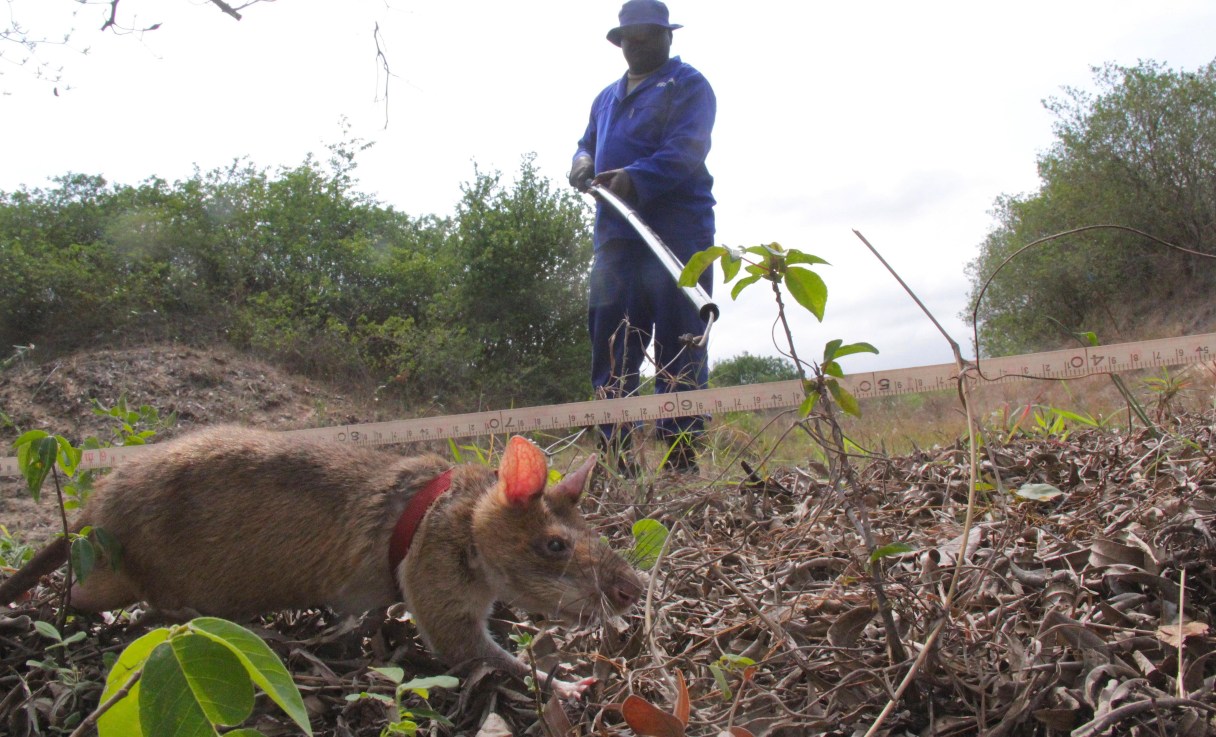
Last month, Mozambique said it had removed all known land mines with the help of the United Nations and international demining groups, ending a massive project that began after its civil war ended more than two decades ago. Yet demining teams are still removing ammunition remnants at the former military depot in Malhazine, a densely populated neighborhood on the edge of Maputo, the capital.
Much of it is considered harmless, but some military explosives there have degraded fuzes, making them a particular menace because they are unstable.
The plan to create a weekend getaway for families out of a no-go zone symbolizes Mozambique’s peaceful aspirations after conflict that started in the 1960s with the war against Portuguese colonizers and ended with a 1992 peace deal in Rome between rival Mozambican factions whose divisions still sometimes spill into violence. Mozambique was also haunted by civilian casualties from old land mines long after fighting ceased.