
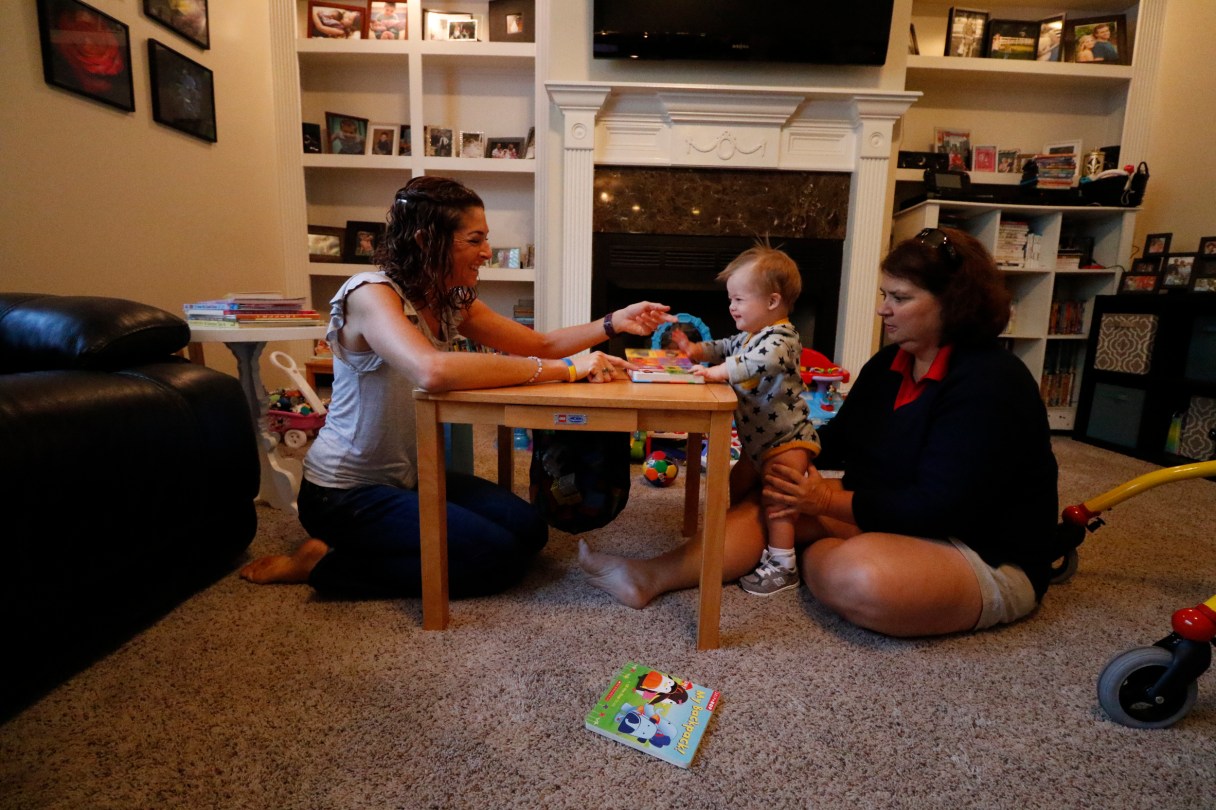
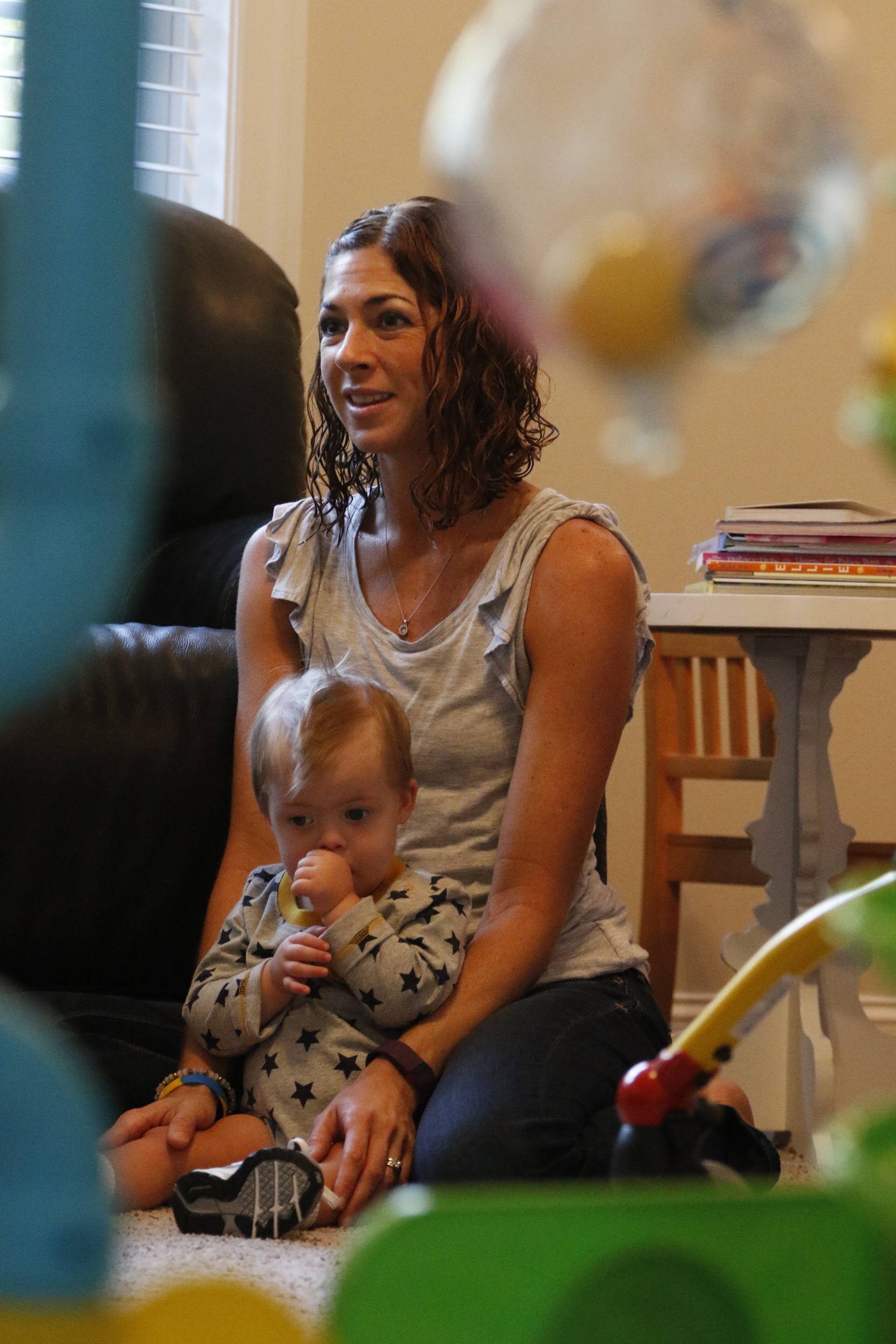
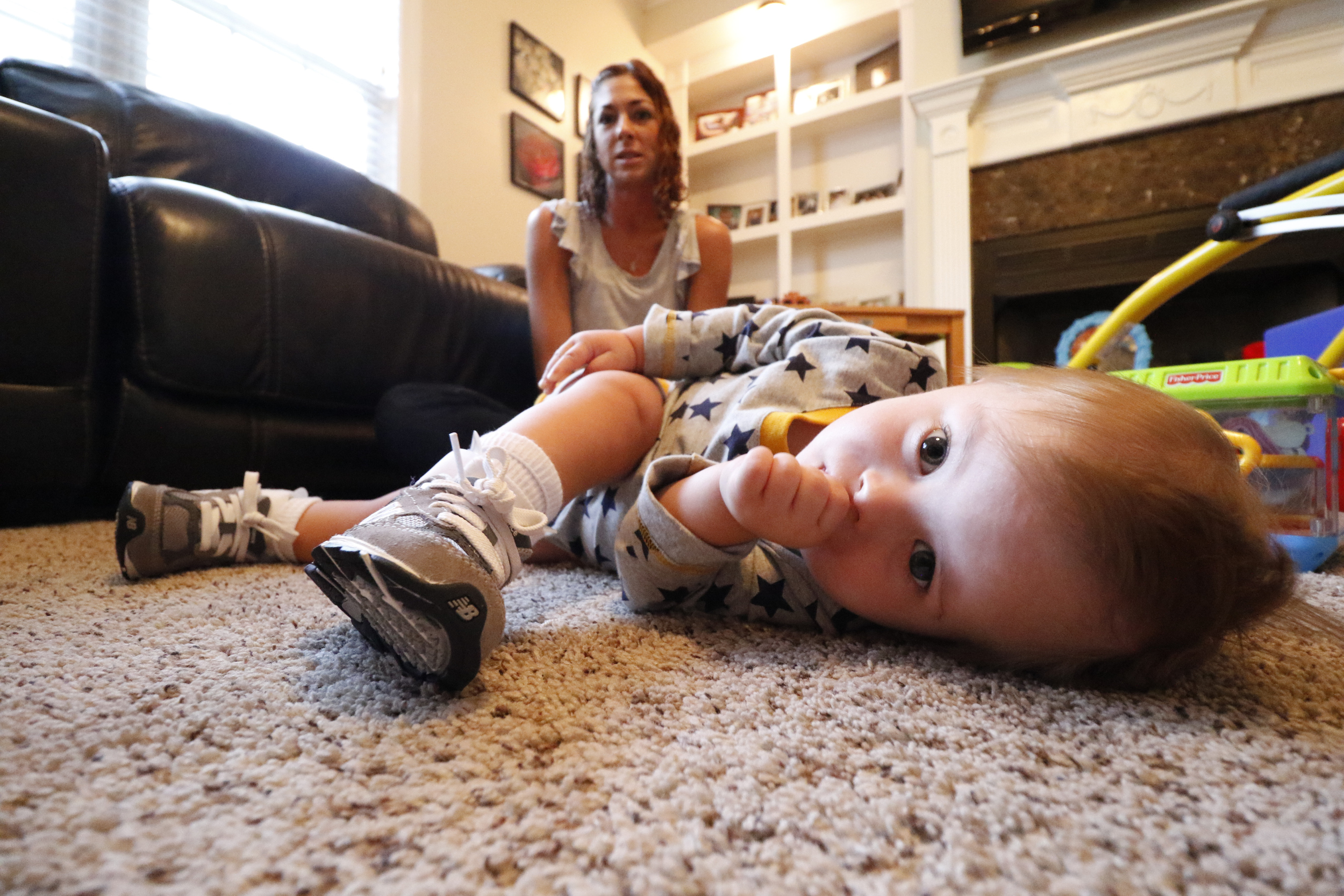
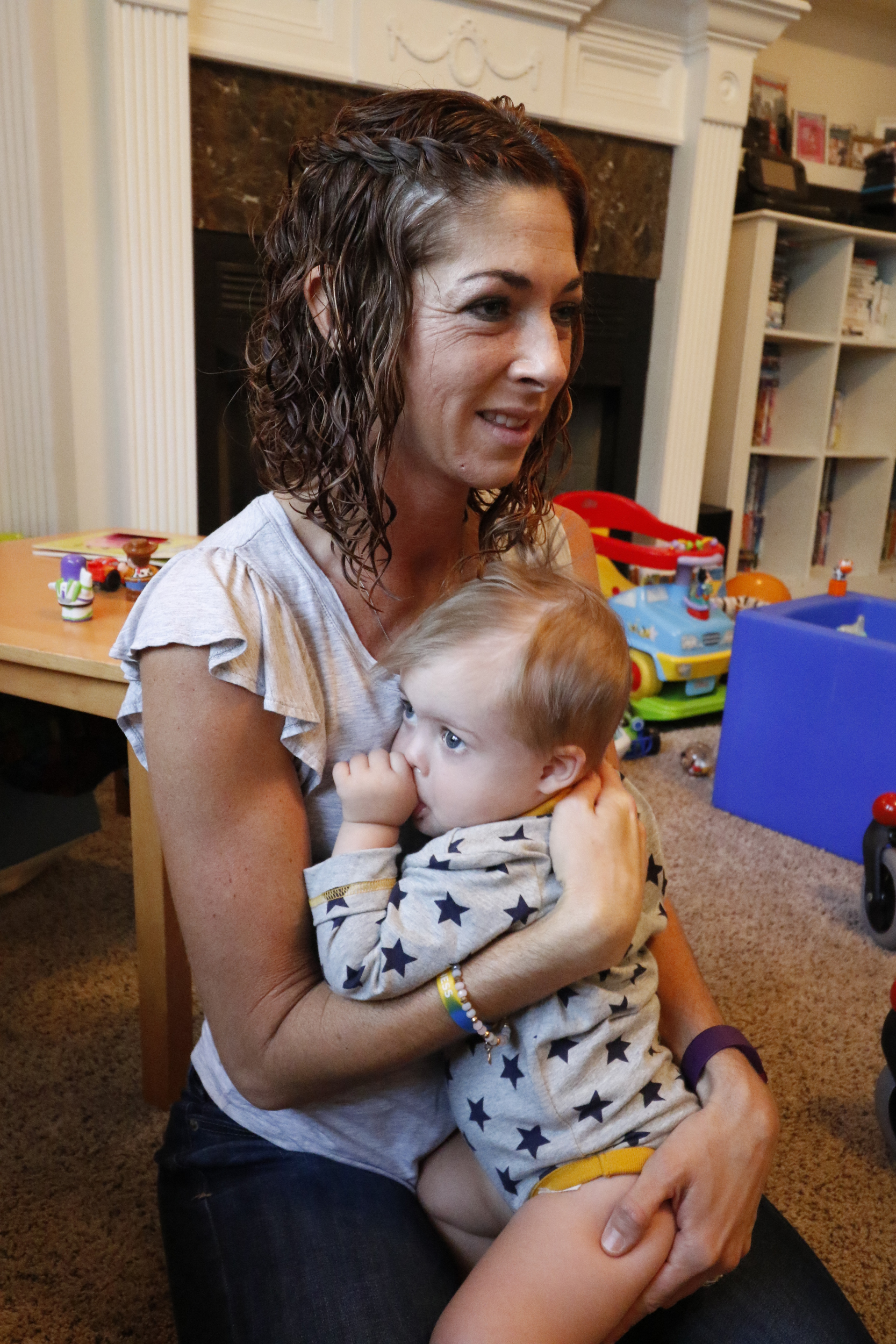
Eleven days after bringing her seemingly healthy baby boy home from the hospital, Jessica Cochran’s world turned upside down.
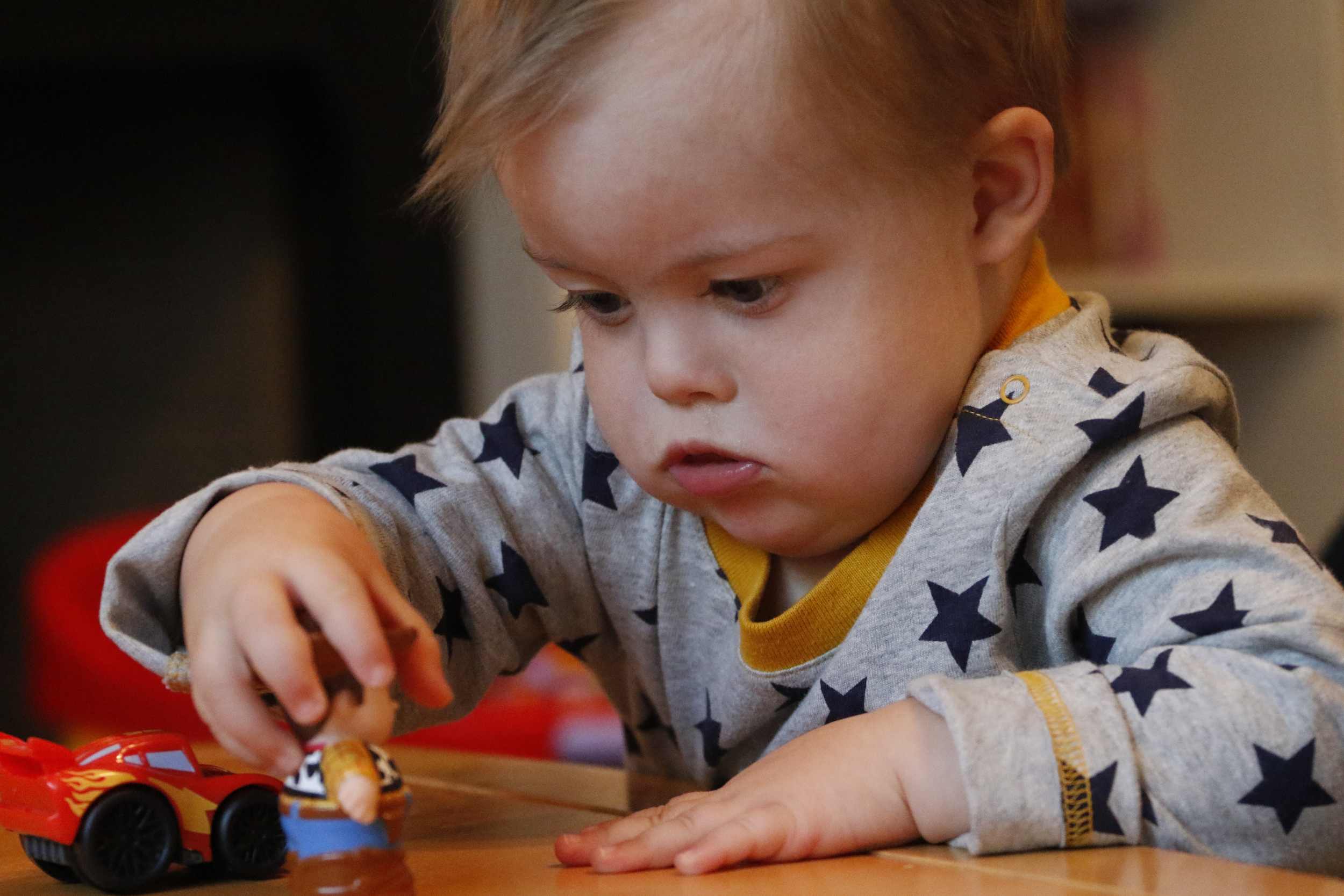
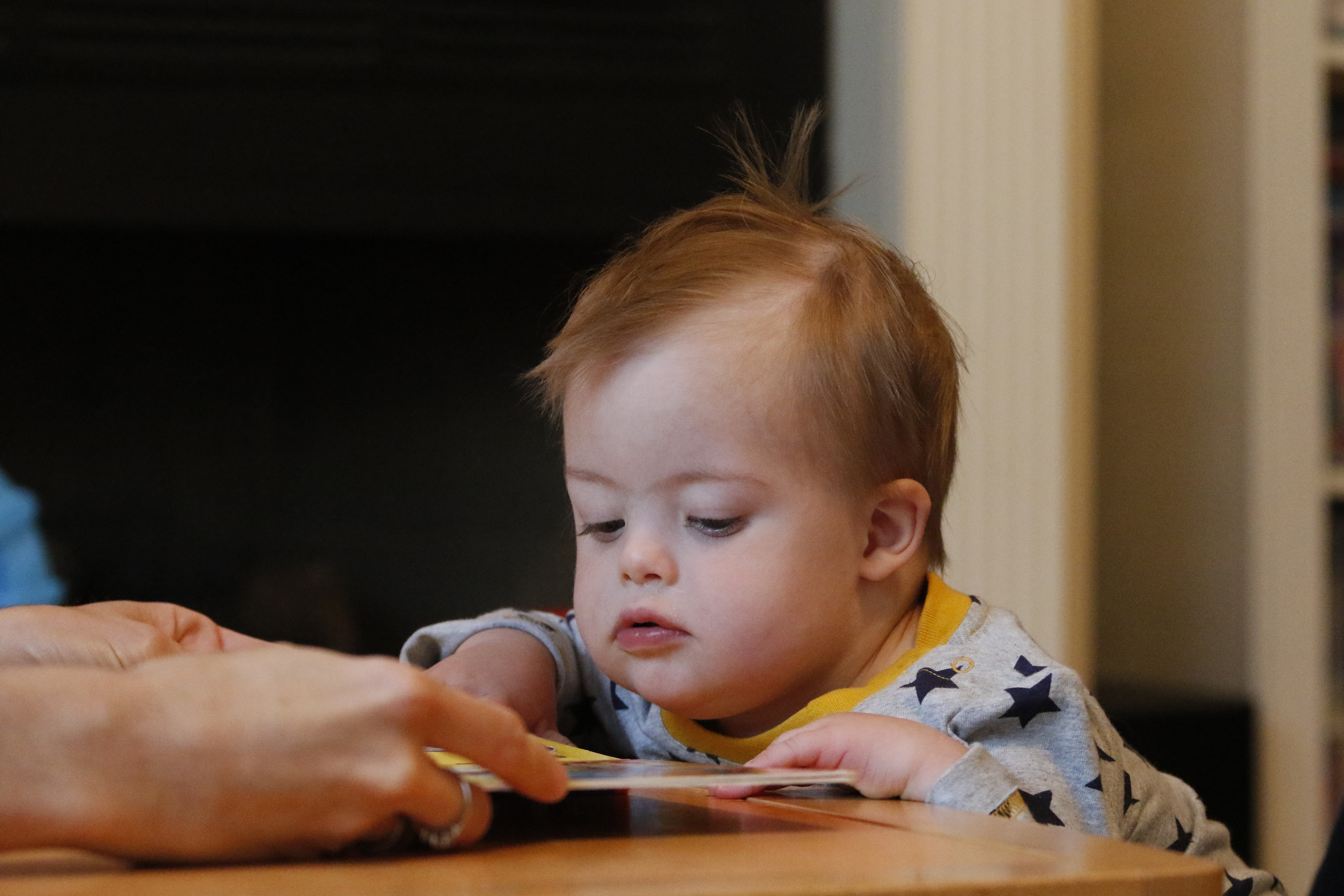
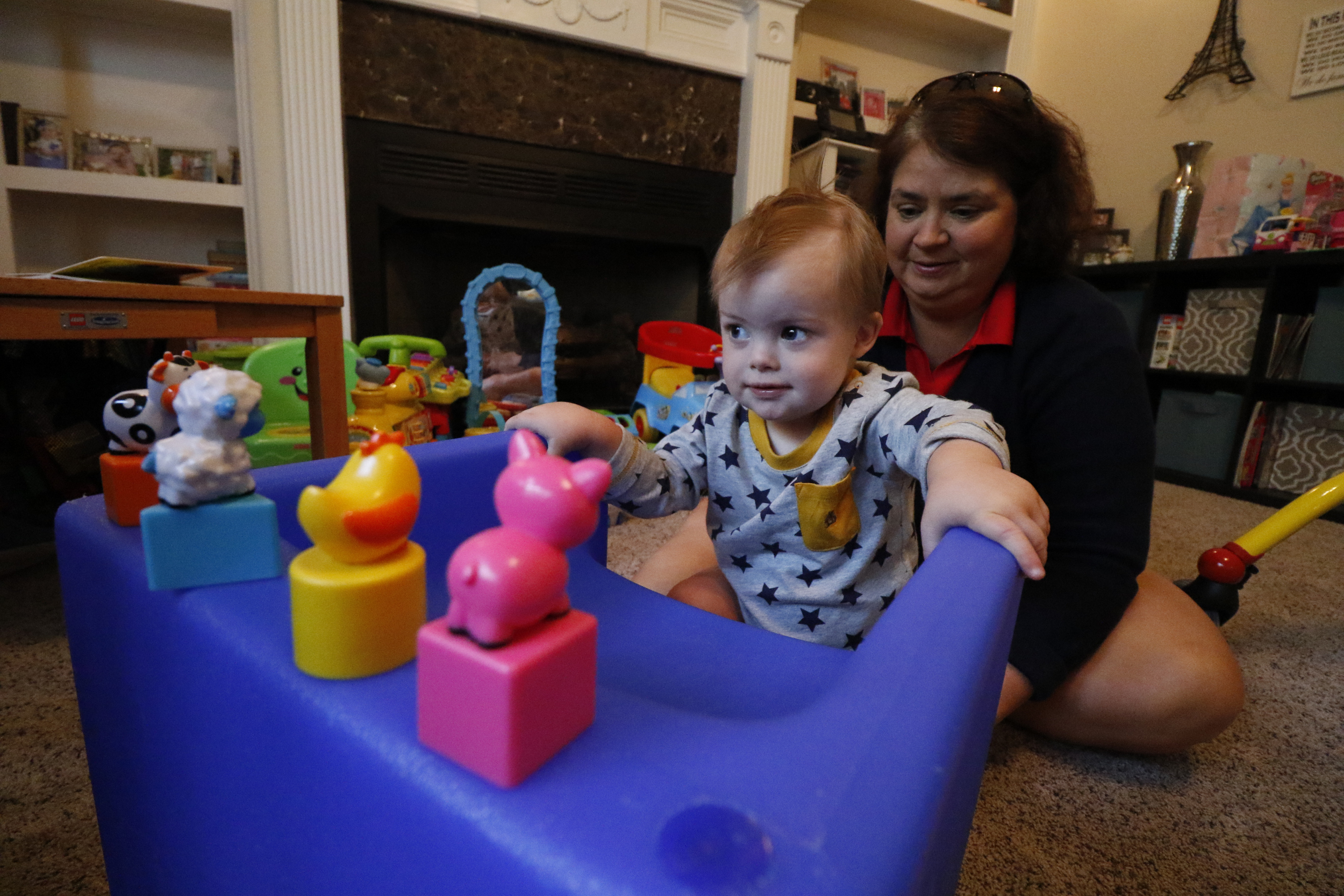
Her newborn son, Maverick, was diagnosed with Down syndrome.
But it wasn’t the medical staff, including the pediatrician, at Erlanger hospital, where he was born, that noticed the symptoms; it was Maverick’s godmother. She noticed the very slight upward turn of his eyes, ears that were a little lower than average, and a gap between his toes – all typical, but not necessarily telltale signs – of Down syndrome.
“He was only 5 days old when she told us she feared he had Down syndrome,” says Cochran, of Ooltewah. “I didn’t believe her.” After all, prenatal tests to determine whether the baby had Down syndrome had come back negative.
Latricia Milburn, public relations chairman for the Chattanooga Down Syndrome Society, says about one in every 700 babies born in the United States has Down syndrome. The condition is caused by having extra copies of genes on the 21st chromosome, which change the fetus’ development during pregnancy and continue to have effects after birth and throughout life.
“What is most important, in my opinion, is that when Maverick’s diagnosis was confirmed through his doctor, the Cochran family was given the news in a supportive and positive way,” says Milburn, whose own daughter, 3-year-old Lila, has Down syndrome. “Too often, that isn’t the case with families who hear the news of Down syndrome. They are made to feel like their life is going to be sad, difficult and so very different than families with only typical children. That’s just not true. While some days we face challenges, our families have just as much opportunity to lead happy and fulfilled lives.”
According to the website for the local Down syndrome society: “Each person with Down syndrome is unique, having some of the many possible health, learning and related differences that can occur with this condition. Some of the differences in people with Down syndrome are common and visible, like the facial appearance. Other changes are less common or less visible but can still cause problems or may need special treatments.”
After he was born, Maverick, now 19 months old, had been given a mostly clean bill of health at the hospital, other than failing a hearing test in one ear. He had a normal Apgar score, a quick test performed at both one and five minutes after birth to examine breathing effort, heart rate, muscle tone, reflexes and skin color. The score is based on 1 through 10, with scores 7 and above showing that the newborn is in good health.
Photo Gallery
A distressing diagnosisLocal family told their new baby has Down syndrome — after he leaves the hospital
Buddy Walk If you go
› What: The Chattanooga Down Syndrome Society’s 2015 Buddy Walk› Where: AT&T Field, 201 Power Alley› When: Saturday; 10 a.m. registration, walk begins at 11:45 a.m.› Cost: $15, all persons with Down syndrome are admitted free.› Contact: aholmes@optilink.us.› More info: This year’s Buddy Walk is dedicated to Matthew Parker, who had Down syndrome and was born prematurely with a heart defect. He died at five months old. “The Parkers have embraced the journey they started on with Matthew with open arms,” says Latricia Milburn, public relations chairman for the Chattanooga Down Syndrome Society. “We want to show them that Matthew’s life, even though it was only a few months, matters. The Parkers are currently our top fundraising team and have the most walkers signed up for Saturday.”
“While doctors look for a few physical traits like low muscle tone, a single crease in the palm of the hand, and an upward slant to the eyes, each baby with Down syndrome is different, with some showing markers that are softer than others,” Milburn explains.
For the Cochrans, getting the all-clear to leave the hospital meant no big worries once Maverick got home. The family already had three children – Ella, 8; Troy, 6, and Violet, 4.
“We had gone through the newborn phase three times already, and we assumed this time would be just like the others,” Cochran says.
After Maverick’s godmother noticed the subtle differences in Maverick, however, subsequent tests were performed. Suspicions were confirmed.
“The doctor told my husband (Tay) and me, ‘This is not bad news. It’s just not what you were expecting,'” Cochran says. “The only thing we knew about Down syndrome was stereotypical. We really knew nothing. The doctor told us that Maverick had a good chance of living a full life much like our other children “
Still, skeptical and hungry for more information, Cochran turned to the Internet for more information.
“I am a worrier and my own worst enemy,” she says. “Everything I read terrified me. I couldn’t stop crying. Thankfully, my husband is wonderful. Where I’m a pessimist, he’s an optimist. He said we have to take it one day at a time.”
Tests and doctor visits after the Down syndrome diagnosis showed that Maverick didn’t suffer some of the more serious effects of Down syndrome such as heart problems, seizures and thyroid diseases.
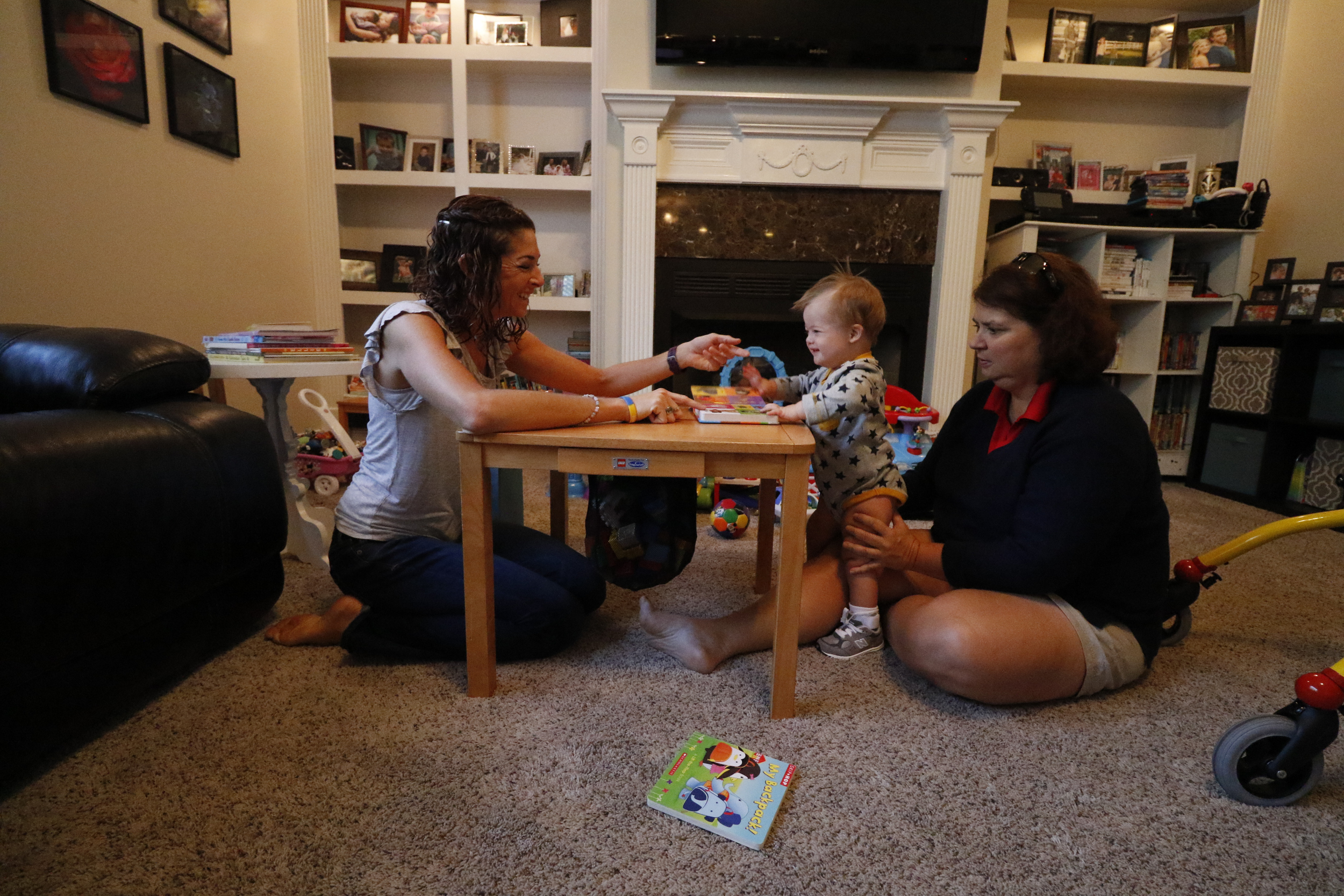
“He’s doing very well,” she says. “He has physical therapy several times a week, and he’ll soon start speech classes.” Currently, he knows a few words and uses some sign language, she says.
Cochran says that today she steers away from the Internet and looks for information from the Chattanooga Down Syndrome Society, which offers support groups, family-friendly events and fundraisers for those dealing with the condition.
“I’ve learned so much from them,” she says. “It’s good to be around people who understand what we’re going through. It’s so nice to see people with all ages who have Down syndrome and how wonderfully they develop. The organization offers good days for us to celebrate and shoulders for us to cry on during bad days.”
In cooperation with the National Down Syndrome Society, the local chapter participates in the annual Buddy Walk, a fundraising event taking place Saturday that promotes acceptance and inclusion of people with Down syndrome, Milburn says.
“Locally, this is the 15th year for the Buddy Walk. It has grown by leaps and bounds over the past few years as we reach more families and provide services to more people in the community with Down syndrome,” she says. “This is our biggest fundraiser. We have hundreds of walkers and raise tens of thousands of dollars that stay here at home to help us support the families we serve throughout the year.”
Fundraising events such as the Buddy Walk supports the organization’s ongoing efforts to bring awareness of Down syndrome. The local organizations serves more than 100 families in the Chattanooga area, Milburn says, adding that it’s important that children born with Down syndrome get immediate medical attention.
“The extra genetic material can cause some developmental delays in walking, talking and fine motor activities like writing,” Milburn says. “Today, babies who are born with Down syndrome receive early intervention in the first few weeks of life, giving them more opportunity than ever before to meet high standards and live full, rich lives.”
Like Maverick, Milburn’s daughter also received a diagnosis of Down syndrome after she was born.
“We were shocked, of course, because she had not shown any of the prenatal markers of Down syndrome,” she says. “But after researching and getting to know our amazing baby, we realized she is so much more than a diagnosis. We decided not to let fear of the unknown overpower the love we could give our firstborn, and have been so inspired by her ever since. She continues to amaze us on a daily basis.”
Today, the Cochrans have every hope that Maverick will live a full and productive life.
“With the therapy and early intervention, we are really pleased with his progress,” Cochran says. “The world is so much more accepting of people with Down syndrome these days and I want that to continue. I want him integrated into a regular classroom and to be happy.”
Contact Karen Nazor Hill at khill@timesfreepress.com or 423-757-6396.