
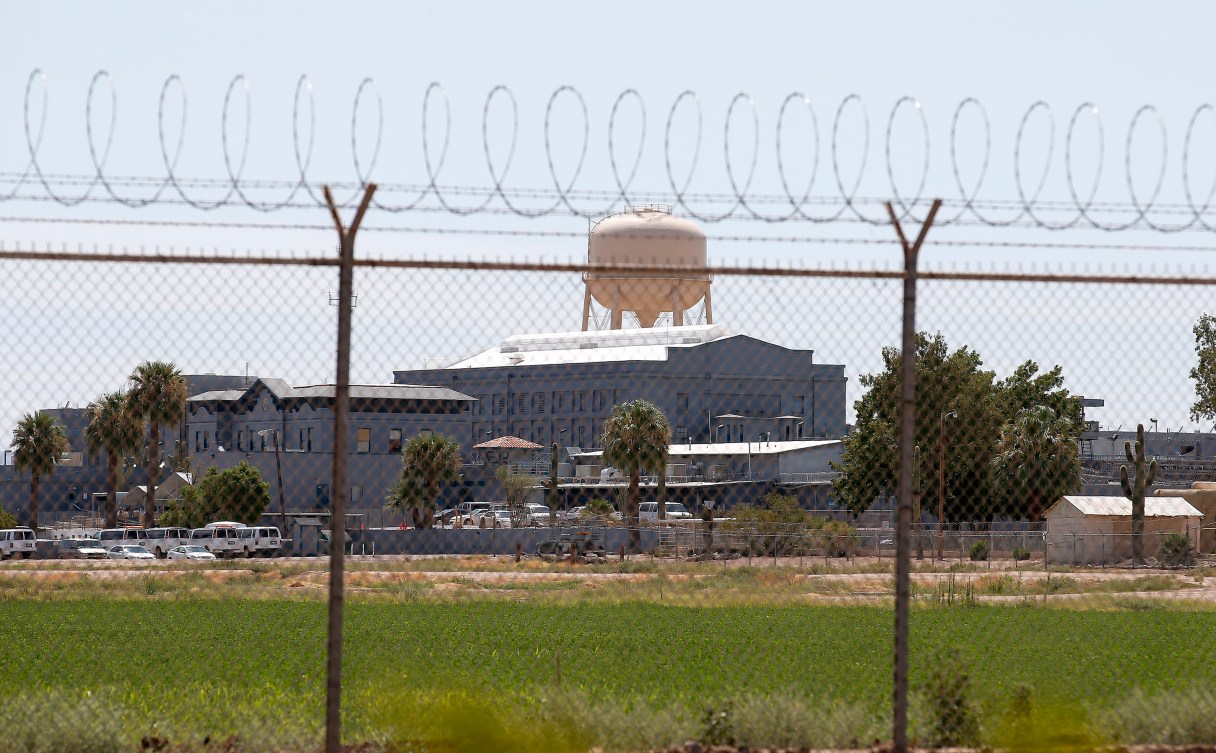
TUCSON, Ariz. (AP) – Arizona tried to illegally import a lethal injection drug that’s not approved in the U.S. but never obtained it after federal agents stopped the shipment at the Phoenix airport, according to documents obtained by The Associated Press.
Arizona paid nearly $27,000 for sodium thiopental, an anesthetic that has been used to carry out executions but is no longer manufactured by FDA-approved companies, the documents said. When the drugs arrived via British Airways at the Phoenix International Airport, they were seized by federal officials and have not been released, according to the documents.
“The department is contesting FDA’s legal authority to continue to withhold the state’s execution chemicals,” state Department of Corrections spokesman Andrew Wilder said Thursday. The documents obtained by the AP were released as part of a lawsuit against the department over transparency in executions. The AP is a party in the lawsuit.
Arizona and other death penalty states have been struggling to obtain legal execution drugs for several years after European companies refused to sell the drugs, including sodium thiopental, that are needed to carry out executions. States have had to change drug combinations or, in some cases, put executions on hold temporarily as they look for other options.
Arizona is not the only state that has tried to purchase drugs overseas. Earlier this year, Nebraska was told by the FDA that it could not legally import the drug it needed to carry out lethal injection after the governor said the state had obtained sodium thiopental from India.
Ohio, which has halted executions until at least 2017 because of a lack of drugs, sent a letter earlier this month to the FDA asserting that the state believes it can obtain a lethal-injection drug from overseas without violating any laws.
And Texas on Thursday said it had obtained a license from the U.S. Drug Enforcement Administration to import sodium thiopental. However, Texas Department of Criminal Justice spokesman Jason Clark could not say whether the state had purchased or received any drugs from overseas.