
Halloween once had a decidedly mixed reputation. Not so long ago there were two groups of people who marked the celebration. The kids and parents directly involved in door-to-door trick or treating were by far the majority, but there was a small group who year after year sullied the holiday by playing innocent and too-often not-so innocent tricks on the general populace. That’s not the case these days.
Now, Halloween is a broadly accepted occasion for kids and ever-increasing numbers of adults to celebrate the holiday. Kids still trick-or-treat, of course, but there are other options for celebration as well. And adults, once more bystanders for holiday events than participants, now join youngsters in marking the holiday. The result is a boon for the nation’s bottom line. Halloween sales this year are expected to reach nearly $7 billion.
 Hershey’s miniatures and kisses are displayed in Tampa, Fla. The cost of the ingredients in chocolate is rising, and the nationís biggest candy makers have already warned that shoppers are going to see price hikes in 2015. (AP Photo/Chris O’Meara, file)
The National Retail Federation, which tracks such things, expects the average consumer to spend about $74 on candy, costumes, decorations and pumpkins – the ubiquitous symbol of the holiday – this year. That’s actually down a bit from last year, but a fluctuating economy not a lessening of Halloween spirit likely accounts for the downturn. Still, many large and small retailers will reap considerable and welcome benefit from Halloween sales.
Those sales represent a broad spectrum of the marketplace. Kids probably still comprise the bulk of the market, but adults increasingly spend on costumes, decorations and edibles for Halloween. Indeed, retailers anecdotally note that millennials and Generation Xers wholeheartedly participate in Halloween festivities and their spending power is considerable.
The sale of costumes, local retailers report, are no longer limited to kids. Adults spend time and money finding just the right outfit for the evening. This year Star Wars, Minions and a variety of Disney princess costumes are popular with many kids, but old favorites like ghosts, goblins, pirates and skeletons retain some popularity, as well. What’s driving the sales of costumes, though, are the steadily rising numbers of adults who dress up to greet callers at their doors or to attend neighborhood and city-wide parties.
Adults, too, are behind the increase in the sale of Halloween home and yard decorations. One survey indicated that about half of those responding expected to put up indoor or outdoor displays. The older set is no doubt the impetus behind another Halloween fact: Millions of Americans will dress their pet for the holiday this year. That’s certainly a new holiday tradition.
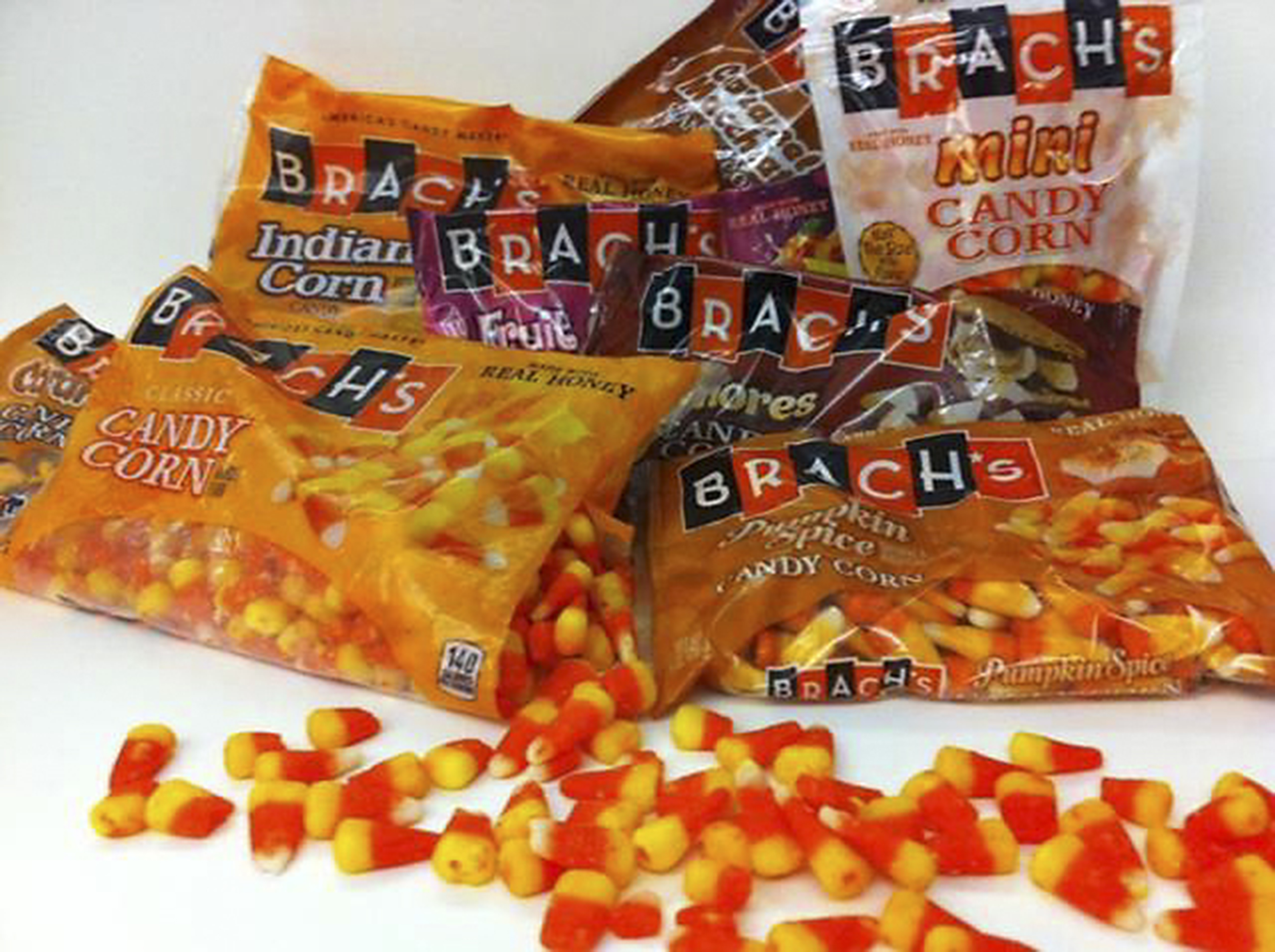
The constant in Halloween sales, though, is candy. The National Confectioners Association expects consumers to spend about $2 billion on it this season. That’s more of the sweet stuff than is typically sold for Valentines, Easter or Christmas. How that candy is distributed is changing, though. years ago, most was handed out as kids roamed neighborhoods. That’s still the case in many instances, but increasing numbers attend block parties, trunk-or-treat events or carnivals sponsored by churches, schools and civic or business associations. All contribute to the festive feeling Hallo- ween engenders.
Halloween obviously has changed significantly since days when there was real fear that tricks rather than treats would rule the night. Thankfully, the holiday has grown into a normally inoffensive, fun-filled occasion marked by almost every segment of the demographic spectrum. Equally important, the holiday plays a positive role in the nation’s economy. The latter is certainly worthy of celebration.