

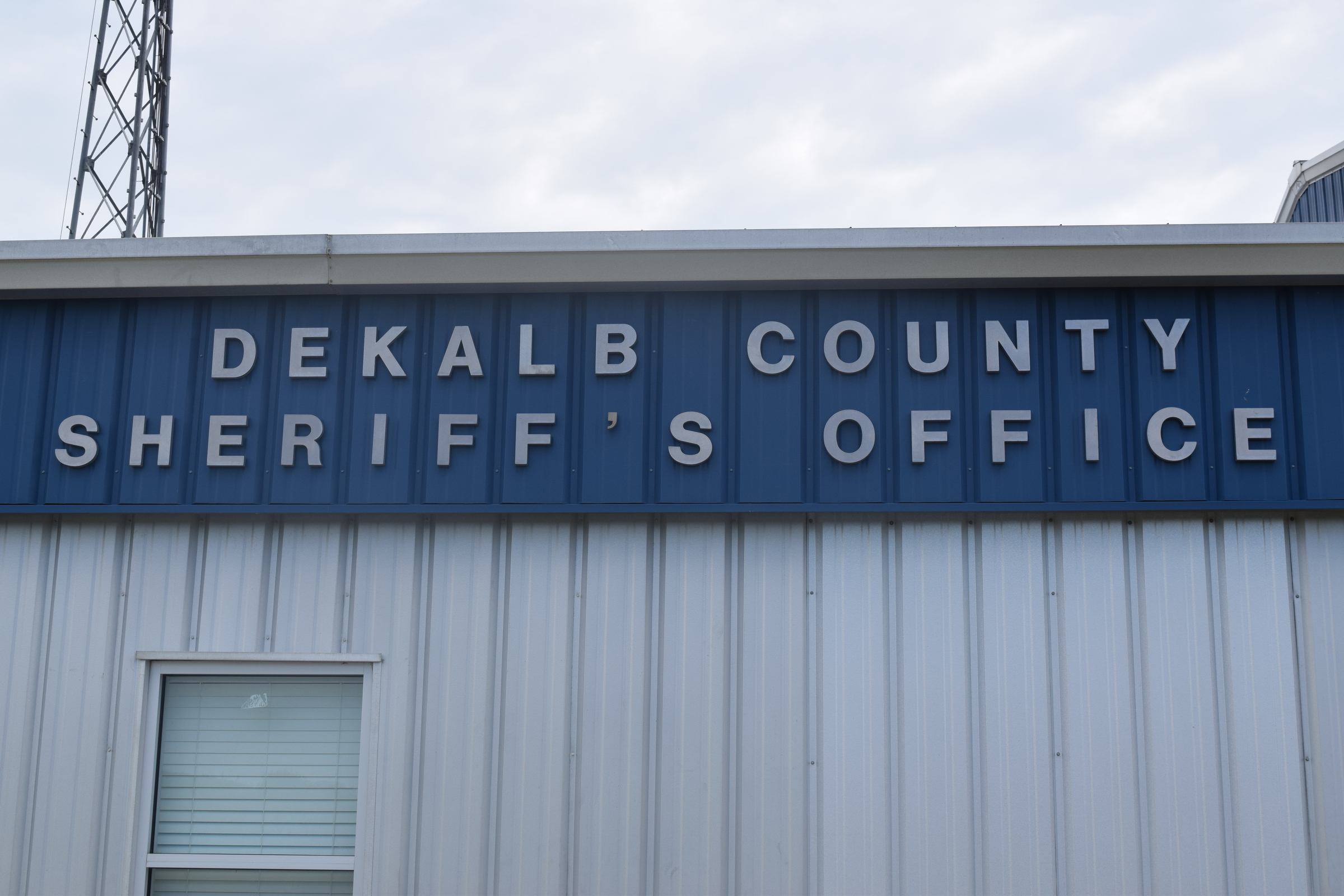
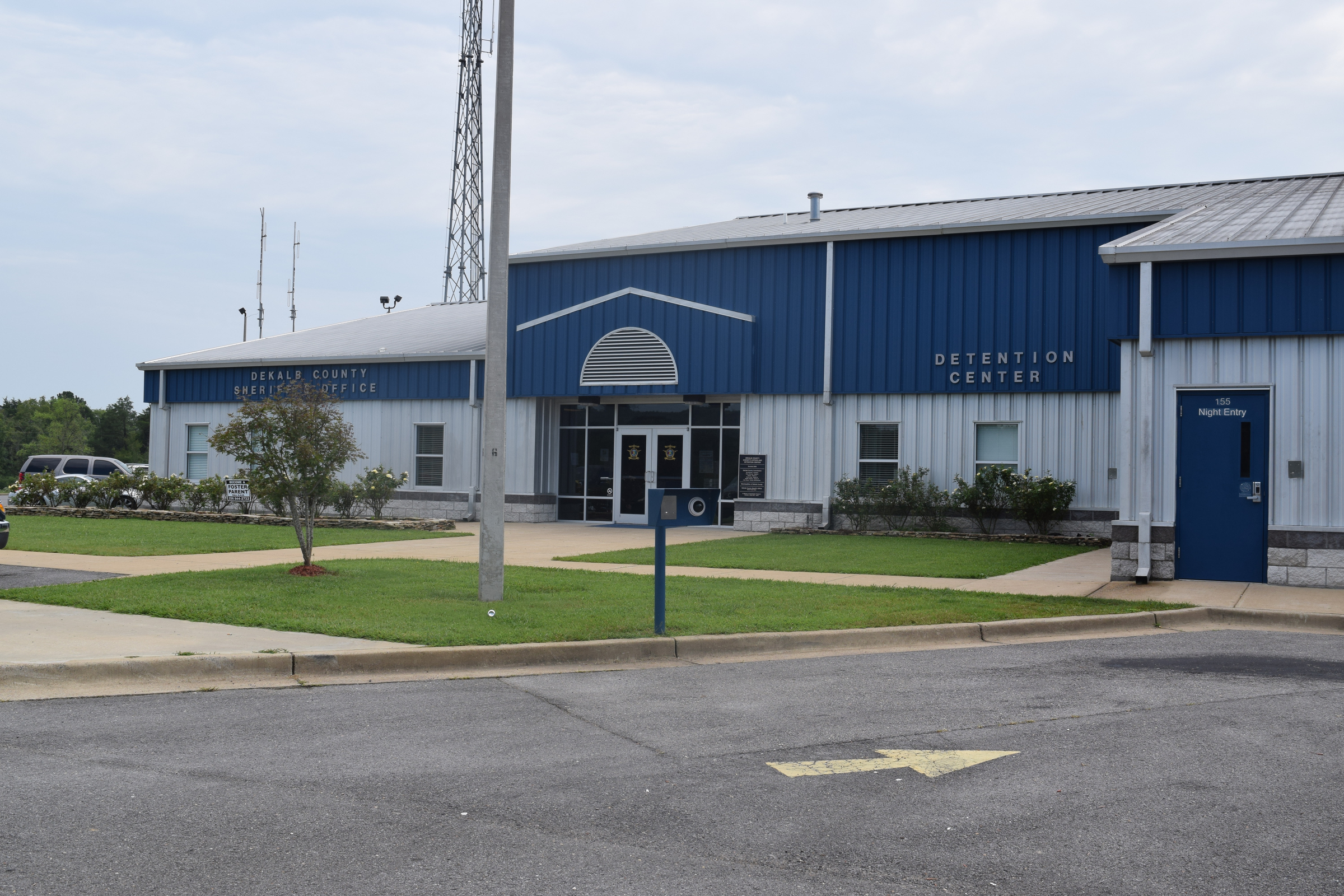
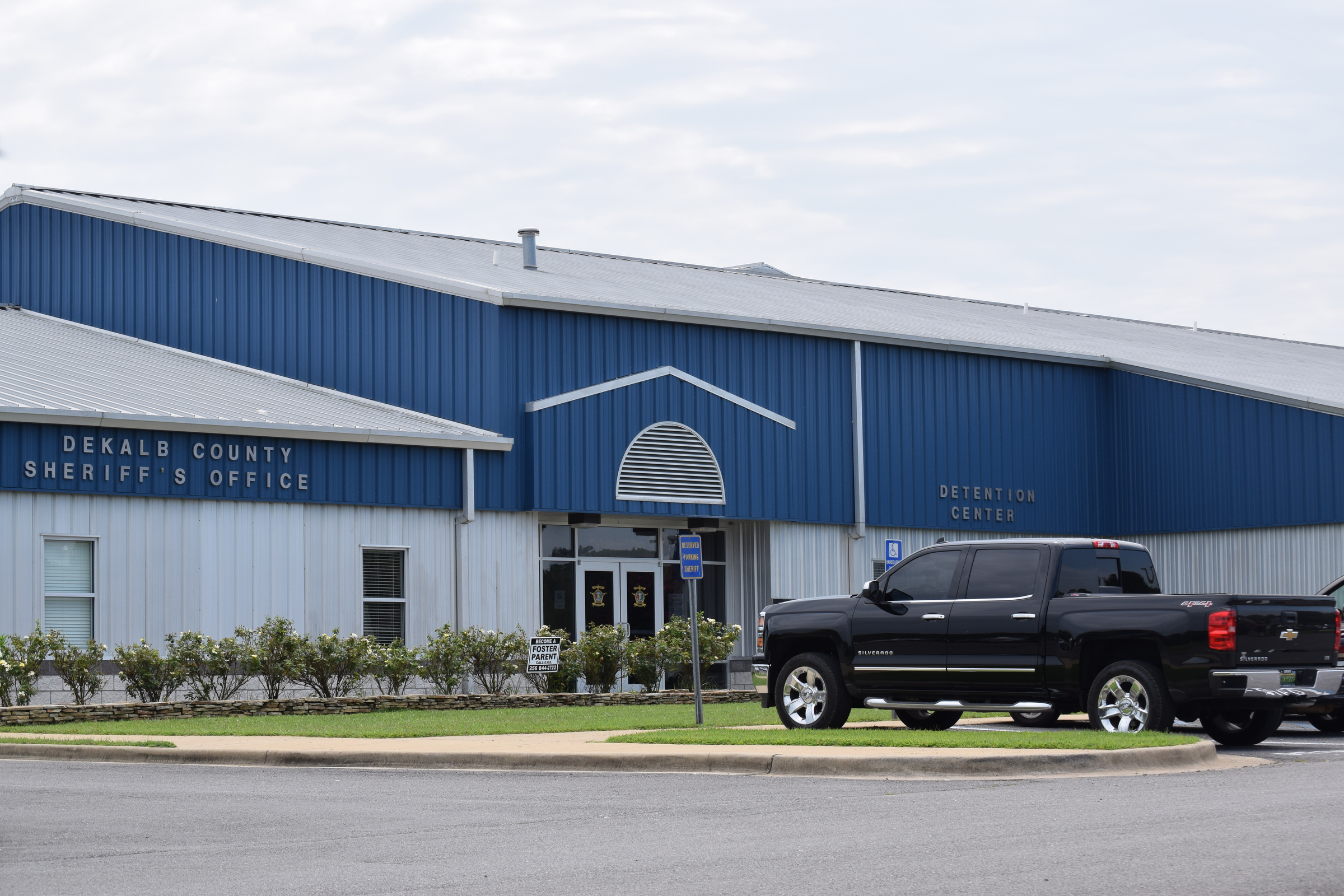
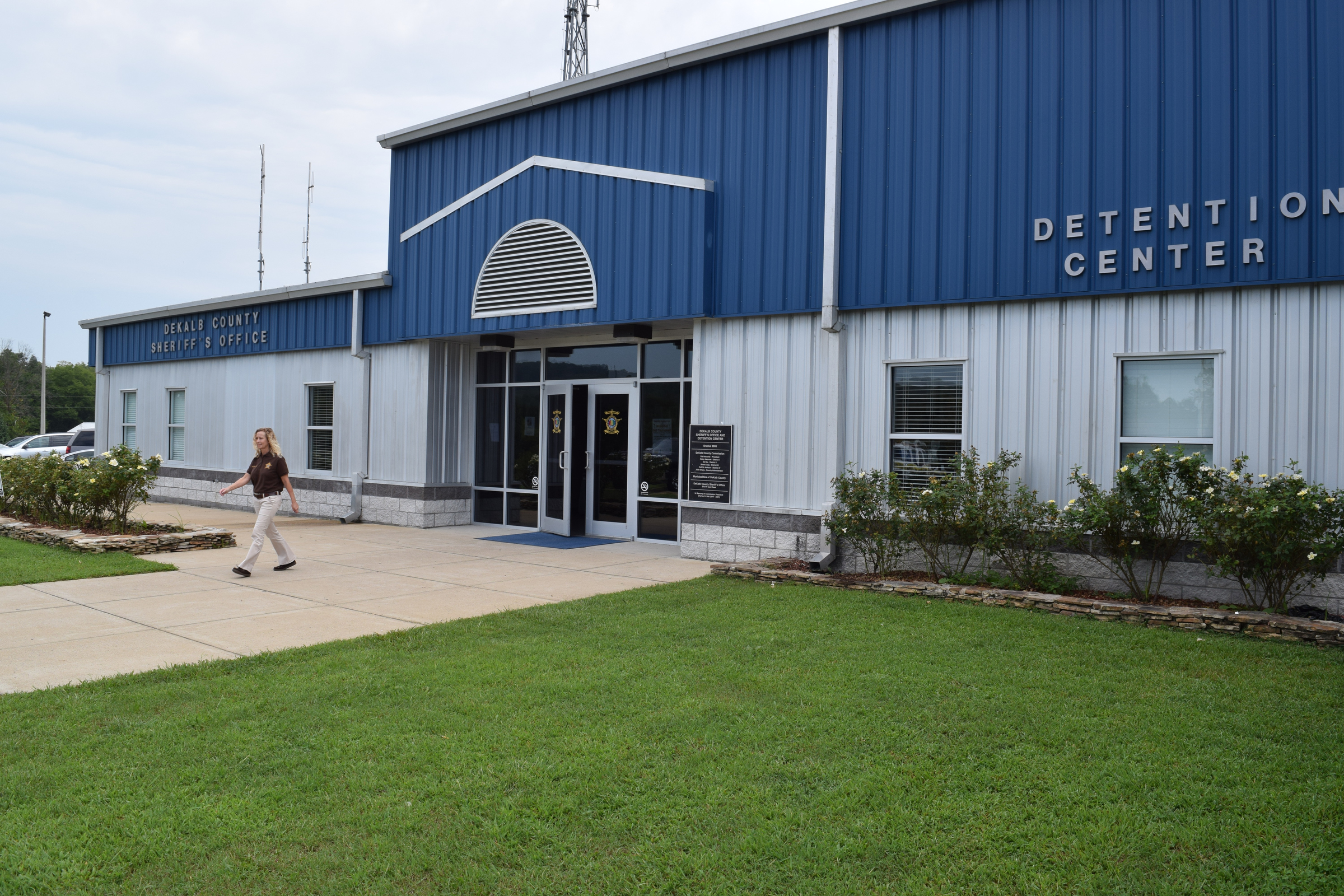
FORT PAYNE, Ala. – DeKalb County’s sheriff said prison reforms going into effect in Alabama early next year will pitch county jails across the state into a financial crisis.
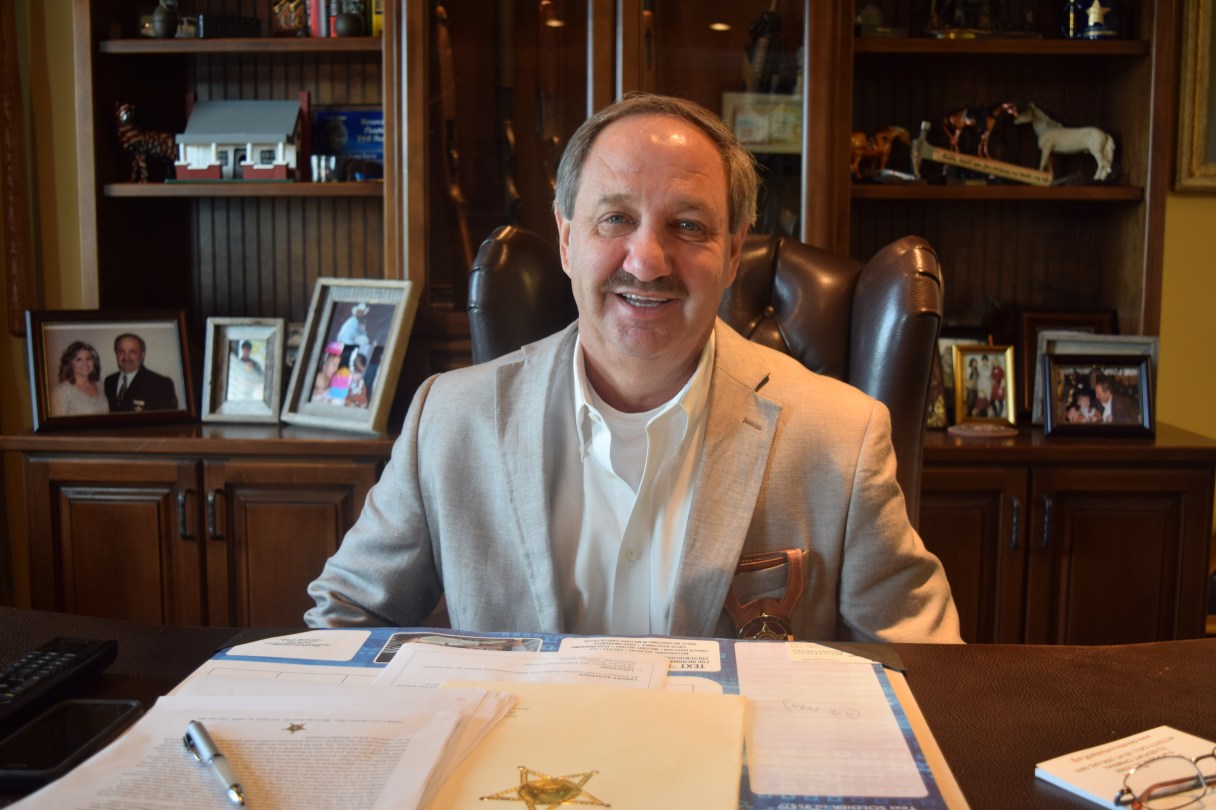
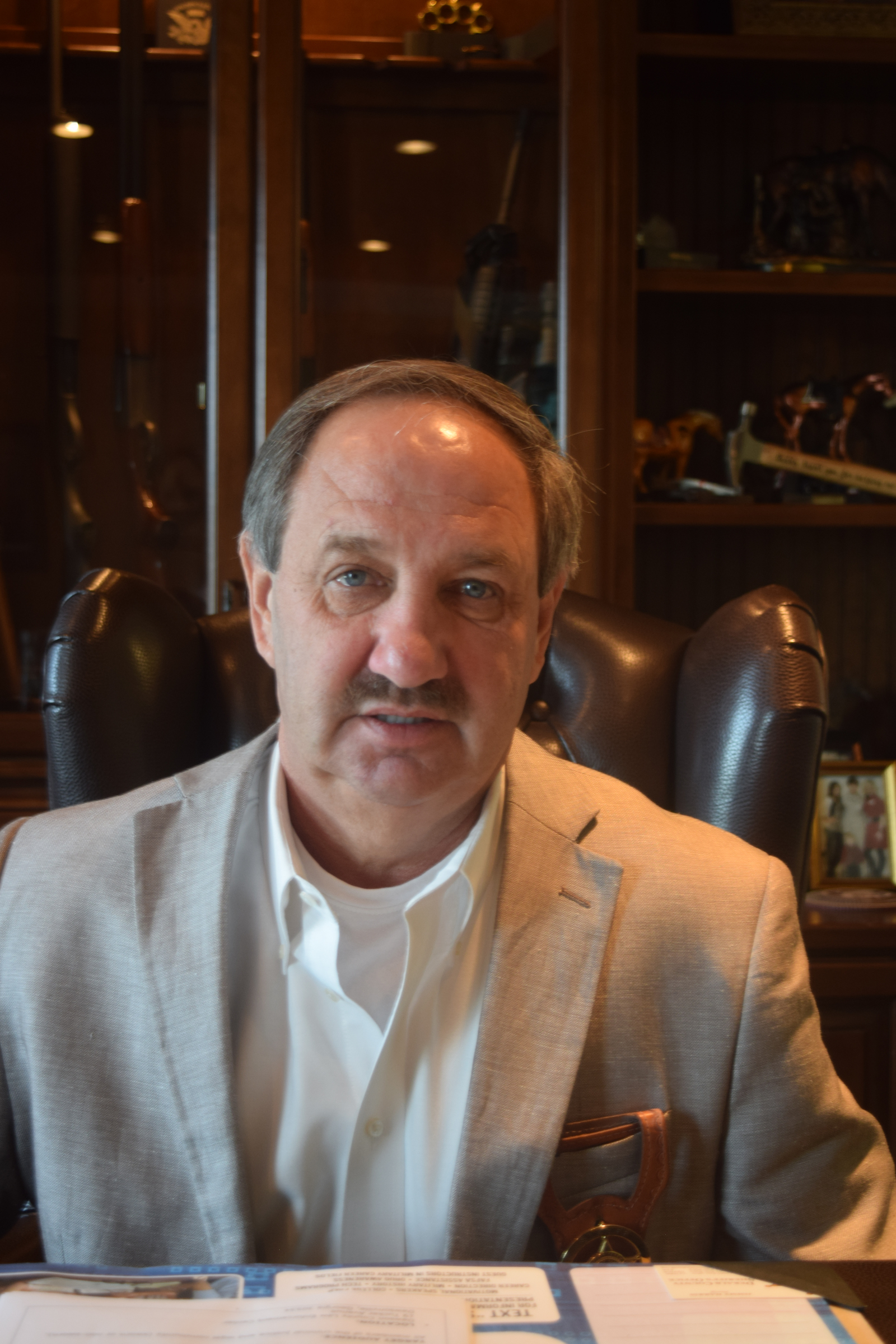
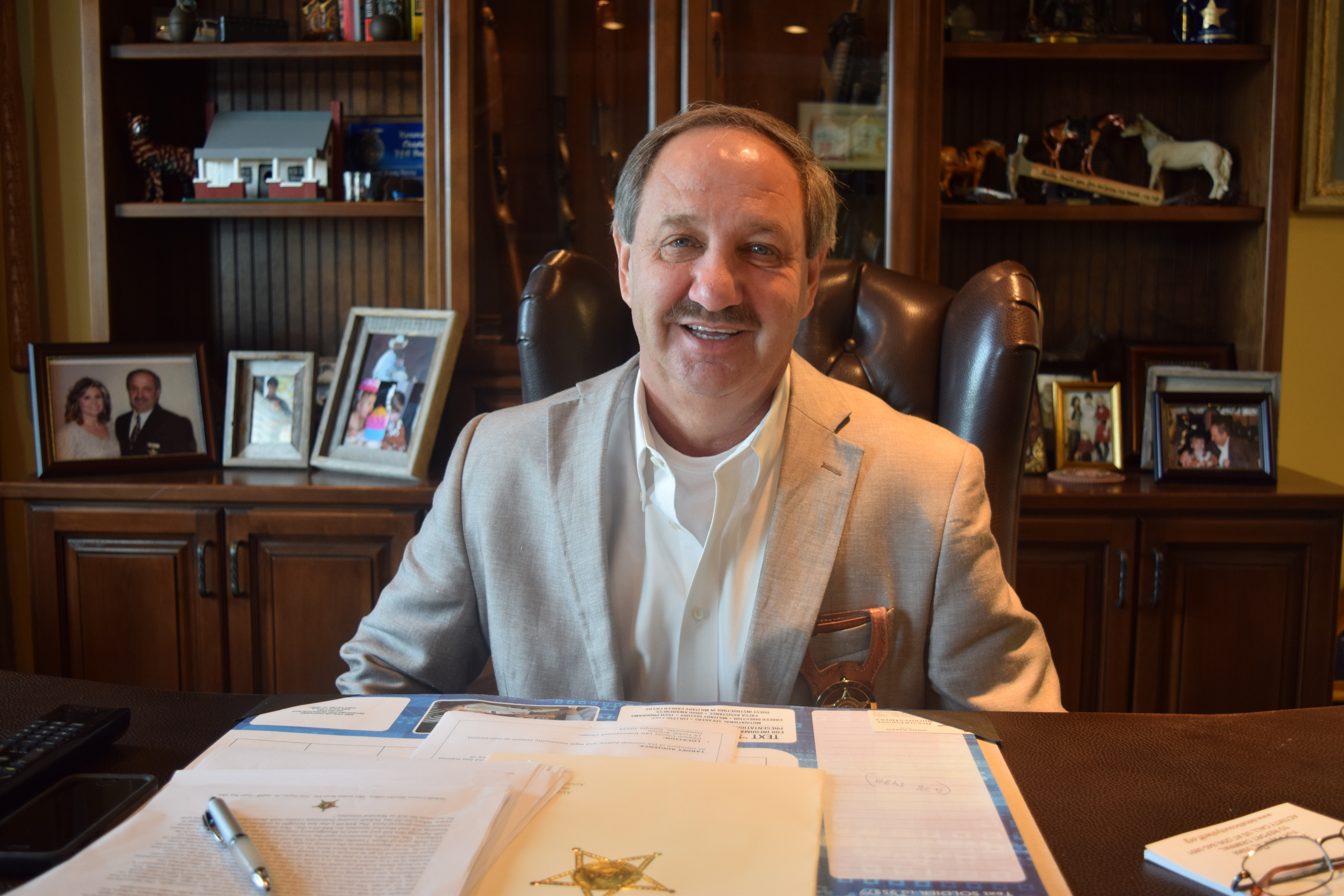
“It’s going to be a disaster for us,” said Sheriff Jimmy Harris.
Senate Bill 67, intended to address state prison overcrowding, was signed into law in May by Gov. Robert Bentley. The idea was to reduce Alabama’s inmate population of more than 25,000 prisoners, which is double the state’s original capacity. Sponsoring Sen. Cam Ward, R-Alabaster, said the law will reduce the state prison population by more than 4,200 inmates after it goes into effect Jan. 30.
Harris said the law is going to bring more state prisoners to his jail at a paltry daily fee of $1.75 per inmate.
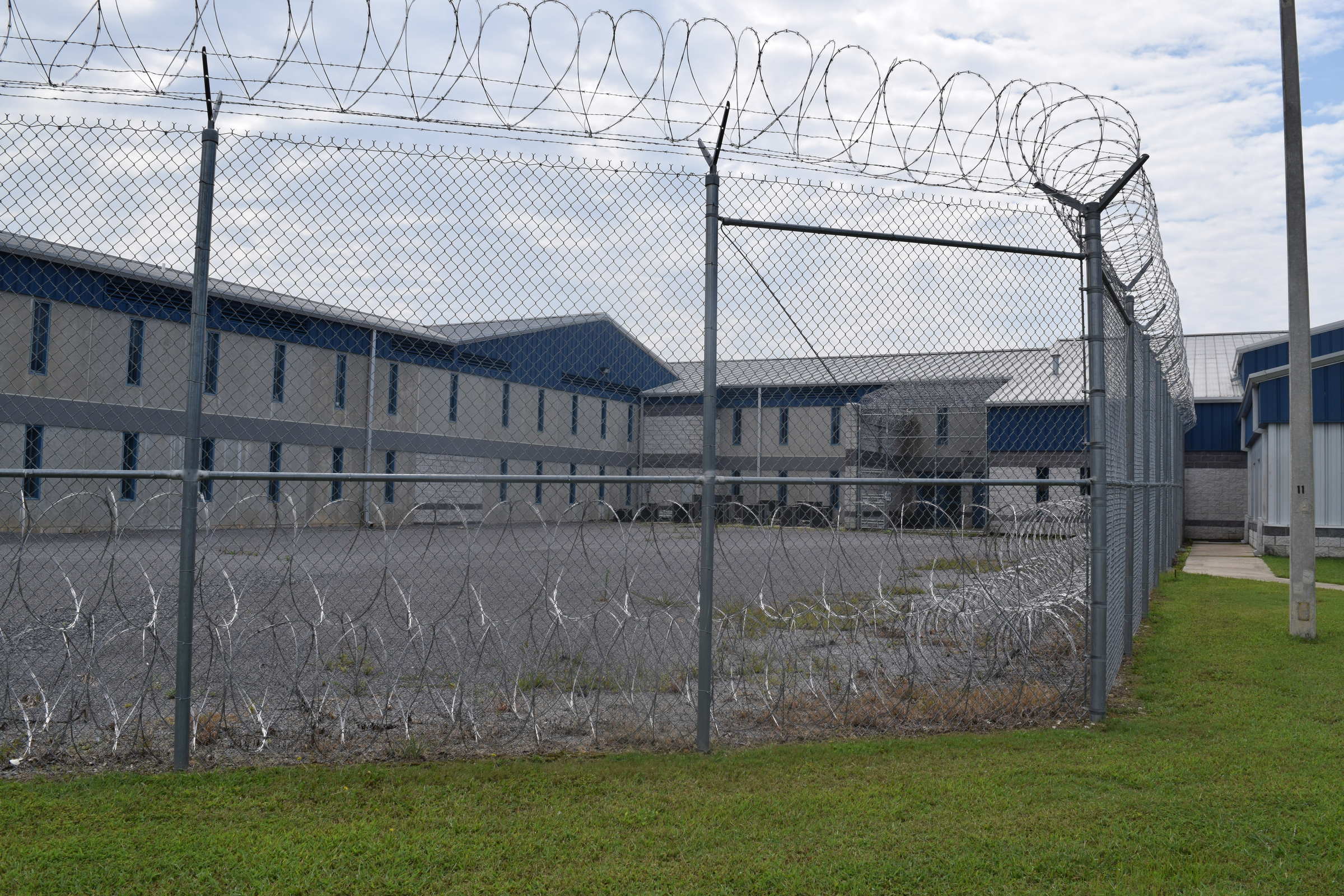
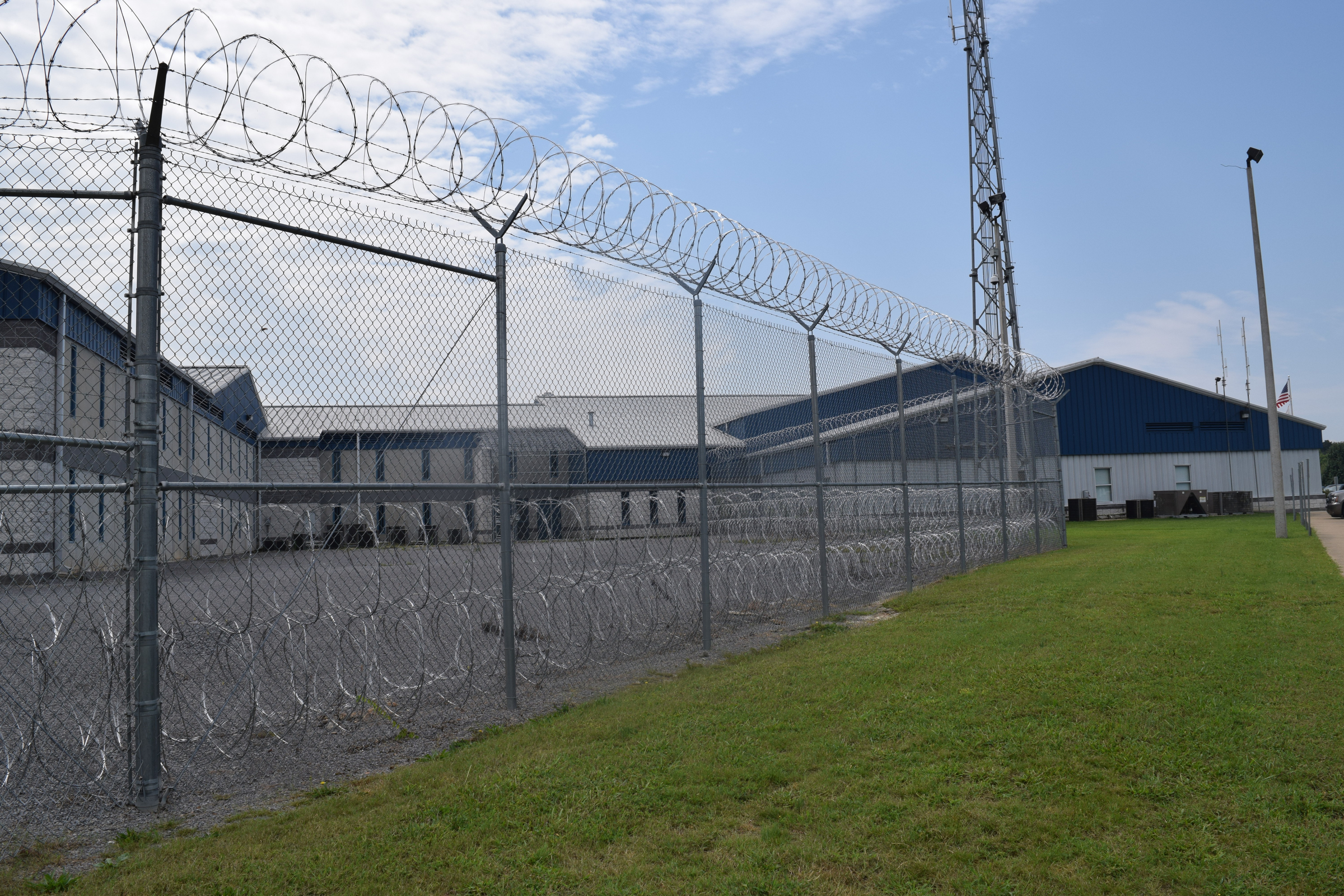
When DeKalb County’s 328-bed jail was built several years ago, the county planned to house federal inmates heading to and from Louisiana and points north, said Harris, who inherited the jail on his election in 2007. Heftier fees for federal inmates offset operational costs and boost revenue for the county, Harris said.
On Thursday, 22 federal prisoners were among the 198 inmates in the daily count. Harris said 29 of the remaining 176 inmates were state inmates. The gap between federal and state reimbursement is astounding, Harris said. At $47 a head, the 22 federal inmates Thursday generated $1,034 in daily fees, while state inmate fees tallied $50.75. An influx of more state inmates could threaten operational funds, Harris said.
He believes counties like his will get a shock. Many smaller rural jails already are over capacity and their problems will be worsened, he said.
Ward said the state’s Prison Reform Task Force recommended putting $26 million into new state prison capacity in fiscal 2016 and more than $25 million annually from 2017 to 2021.
If the funds aren’t there, prison populations are expected to swell from 190 percent capacity to more than 220 percent, and the risk of a federal takeover of state prisons will become a real possibility, Ward said.
Officials have said a federal takeover is possible if the situation isn’t fixed.
The bill also creates a new Class D felony category for lower-level drug and property crimes and increases supervision to divert people convicted of those crimes from the prison system. Ward said the new class of felonies gives judges more leeway in sentencing.
Ward said Friday that Harris’ financial fears are unfounded because the bill allows sheriffs to turn away state inmates if they feel the financial burden is too much or they don’t have the room.
“That was a very serious compromise to make sure that county law enforcement wasn’t unduly burdened,” Ward said. The Alabama Sheriffs’ Association and the County Commissioners Association both insisted on that change, he said.
“They still have to go to another county facility somewhere,” Ward contended, noting there’s no financial burden for counties who don’t want it.
Harris, however, says it’s his duty as sheriff to incarcerate anyone a judge sentences to jail, and to do anything different could be a threat to public safety.
He’s also unhappy that Alabama lawmakers, who based their bill on Arkansas and Arizona laws, changed a key part: Those states spelled out state housing fees paid to the county jails.
“It works in the other states because they have the money in there,” Harris said.
Ward has maintained that law is just one of many steps toward major prison reforms in Alabama.
Alabama lawmakers are in the middle of developing the 2015/2016 budget and funding the reform package is still under discussion.
Contact staff writer Ben Benton at bbenton@timesfree press.com or twitter.com/ BenBenton or www.facebook.com/ben.benton1 or 423-757-6569.