
Monday, November 16, 2026Nov 16

Sex talk part of curriculum under New York campus safety law

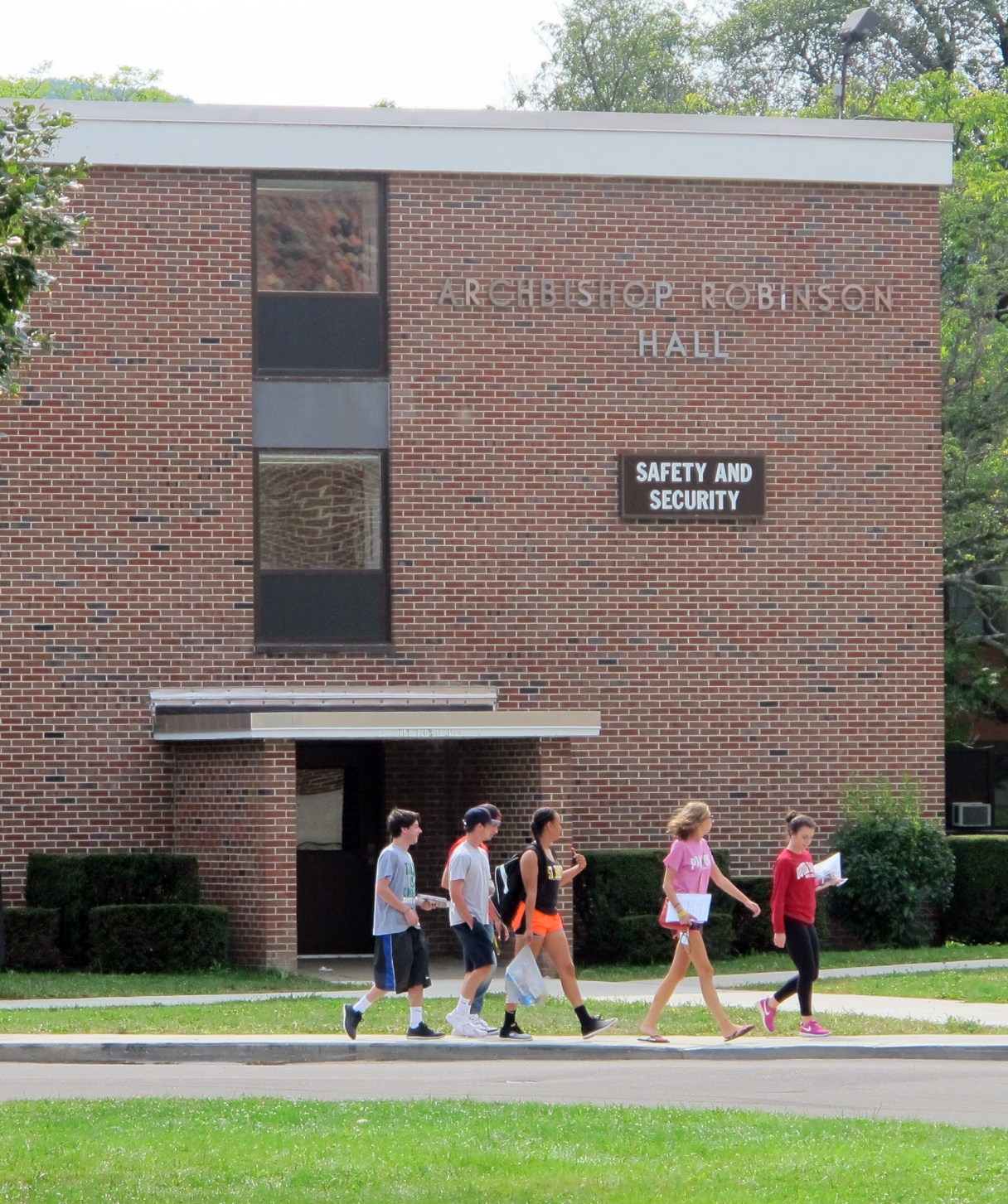
In this Aug. 29, 2015 photo, students walk past the public safety building at St. Bonaventure University in St. Bonaventure, N.Y. Students at New York state's private colleges and universities return to campus with a new, affirmative sexual consent policy to combat campus sexual violence. A bill signed by Gov. Andrew Cuomo over the summer expands on a policy in effect at public colleges which includes a "yes means yes" definition of consent requiring a clear, affirmative agreement between partners. In July, New York became the second state, after California, to write the affirmative consent standard into law for campuses.  (AP Photo/Carolyn Thompson)
In this Aug. 29, 2015 photo, students walk past the public safety building at St. Bonaventure University in St. Bonaventure, N.Y. Students at New York state's private colleges and universities return to campus with a new, affirmative sexual consent policy to combat campus sexual violence. A bill signed by Gov. Andrew Cuomo over the summer expands on a policy in effect at public colleges which includes a "yes means yes" definition of consent requiring a clear, affirmative agreement between partners. In July, New York became the second state, after California, to write the affirmative consent standard into law for campuses. (AP Photo/Carolyn Thompson)

ALLEGANY, N.Y. (AP) – They’d barely arrived on campus at St. Bonaventure University, but already the new students were talking about hooking up.

Administrators didn’t mind. In fact, they’d encouraged – even required – it to comply with a new state law meant to prevent sex assaults on campuses.

At colleges elsewhere, students watched skits about sex, saw videos on YouTube, had face-to-face sessions at orientation and clicked through online courses for what has become one of the earliest lessons of college life: That only “yes” – not silence or a lack of resistance – is the cue for sex.

In July, New York became the second state, after California, to write the affirmative consent standard into law for campuses. But it’s becoming the norm at colleges around the country that are under the same pressure to reduce and better handle sexual assault cases.

“When they hear the specifics – that it’s about checking in all along the way: ‘Is this OK?’ ‘Are you interested in this?’ ‘Does this feel good?’ – that’s not that unreasonable for people,” said speaker Cindy Pierce, who is hired by colleges to deliver the message.