
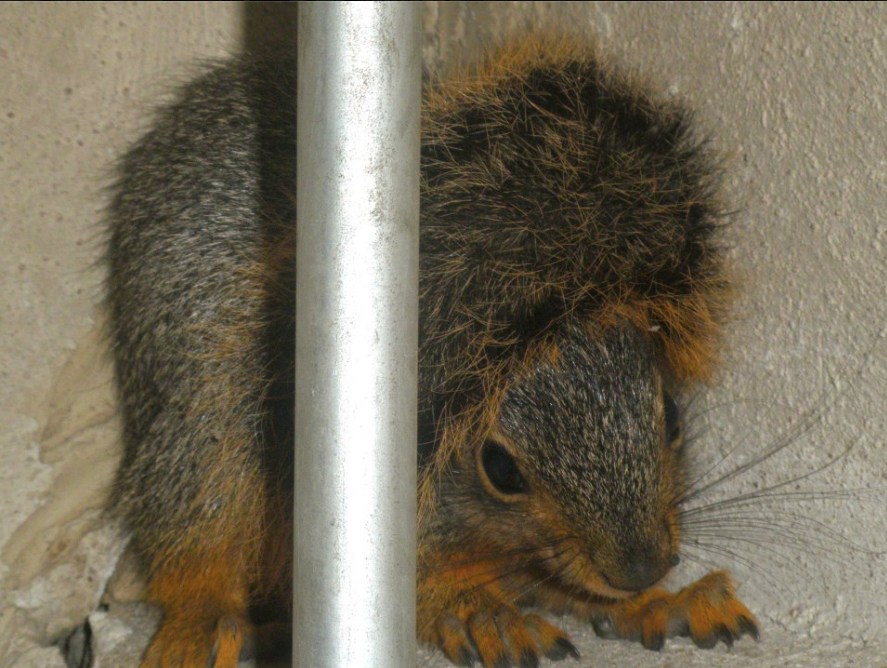
As much as my family and I love to have suburban wildlife around our New York-area home, some of the cuteness wore off when we found rodents living under the roof.
A mama squirrel (perhaps she was expecting) had set up a cozy little nest in our attic – a wise move considering the temperature was dipping and she had a brood to care for. As Jack Murphy, co-founder of Denver-based Urban Wildlife Rescue, puts it: “They can live in a tree. And we can live all winter on the prairie in a tent. But having a house is a lot nicer.”
So my husband, Paul – a do-it-yourself kind of guy (and looking to save a grand or so on critter eviction) – sprang into action. Once the little tykes were old enough to go outside the nest on their own – cute as can be, peering over the eaves of our roof – he rigged up the trusty “have-a-heart” trap, relocating them to places you’d think squirrels would like. One got new digs creekside in a forest preserve. Another was escorted to a wooded college campus.
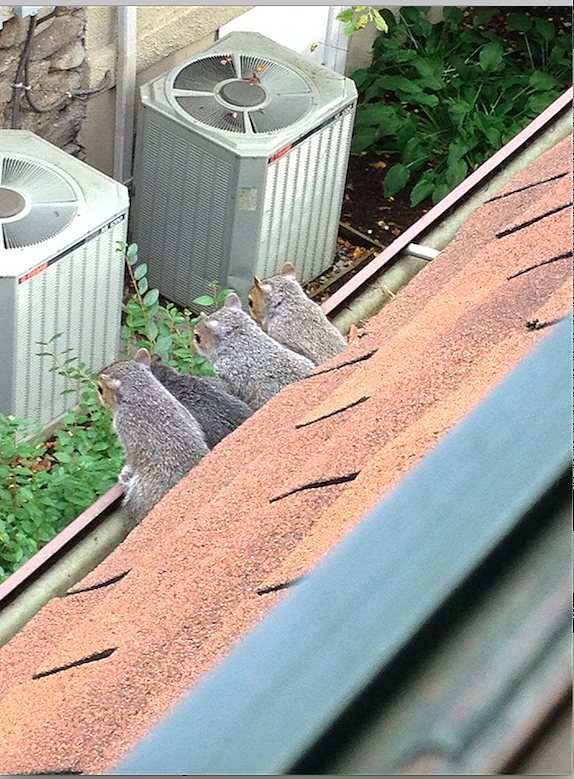 This 2014 photo courtesy of Paul Marszalek shows a litter of baby squirrels taking one of their first looks at the big, wild world after spending their first few weeks in the homeowners attic, in Larchmont, N.Y. Squirrels, which have babies twice a year, like to next in the attics of homes, largely because they are warm and cozy when temperatures dip. (Paul Marszalek via AP)
But it was with heavy hearts we later learned that his efforts were more misguided than magnanimous. Experts say most squirrels – even ones old enough to fend for themselves – don’t survive being moved. They succumb to everything from turf wars to an inability to adapt to new habitats.
“Relocation is a feel-good myth,” Murphy says.