
WASHINGTON (AP) – Five air traffic controllers have exposed a problem that they say can put planes at risk of colliding or accidents due to wake turbulence, a federal office said Tuesday.
The problem occurs when pilots, air traffic control centers or airline dispatchers revise flight plans that have already been filed, according to letters sent to the White House and Congress by the Office of Special Counsel, an independent agency that protects government whistleblowers.
The computers that controllers use don’t automatically identify when multiple flight plans have been filed and notify controllers, the letters said. This can result in a controller clearing a flight for departure based on an outdated plan, and the pilots flying a route not anticipated or planned for by the controller.
As a consequence, controllers have to review flights plans, call pilots and search through paper print outs tracking a flight’s progress to compare prior plans with new data displayed on computers, a statement by the counsel’s office said.
The Federal Aviation Administration has confirmed the problem and revived a working group to address the matter. The FAA initially had created a working group to address the problem in 2012.
But an audit earlier this year confirms that the group had little impact and problem still remains, the counsel’s office said.
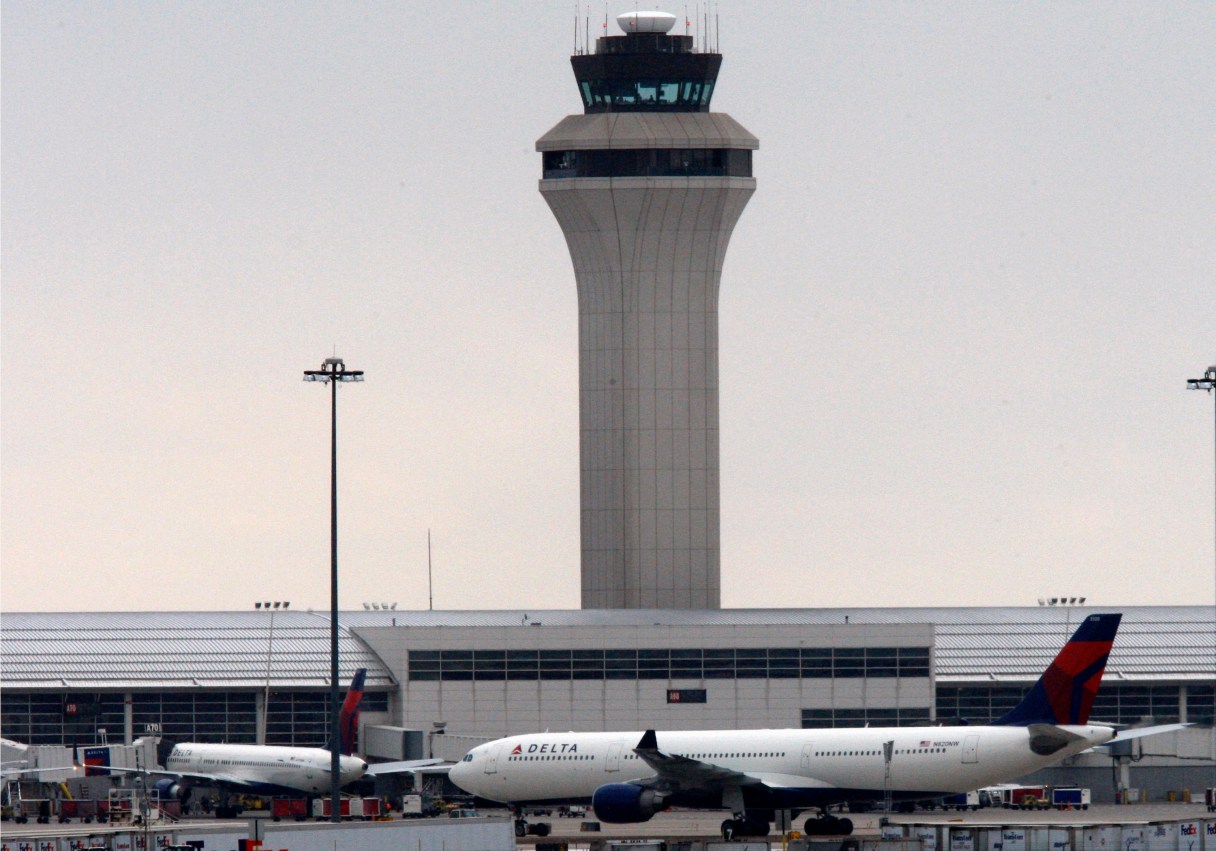
The controllers who blew the whistle on the problem work at the Detroit Metropolitan Airport in Romulus, Mich. But the problem affects air traffic nationwide.
“The whistleblowers in Detroit deserve our deep gratitude,” Special Counsel Carolyn Lerner said. “While more work needs to be done, their actions reignited efforts to address the problems.”
___
Follow Joan Lowy on Twitter at http://www.twitter.com/AP_Joan_Lowy