
The trouble with originality
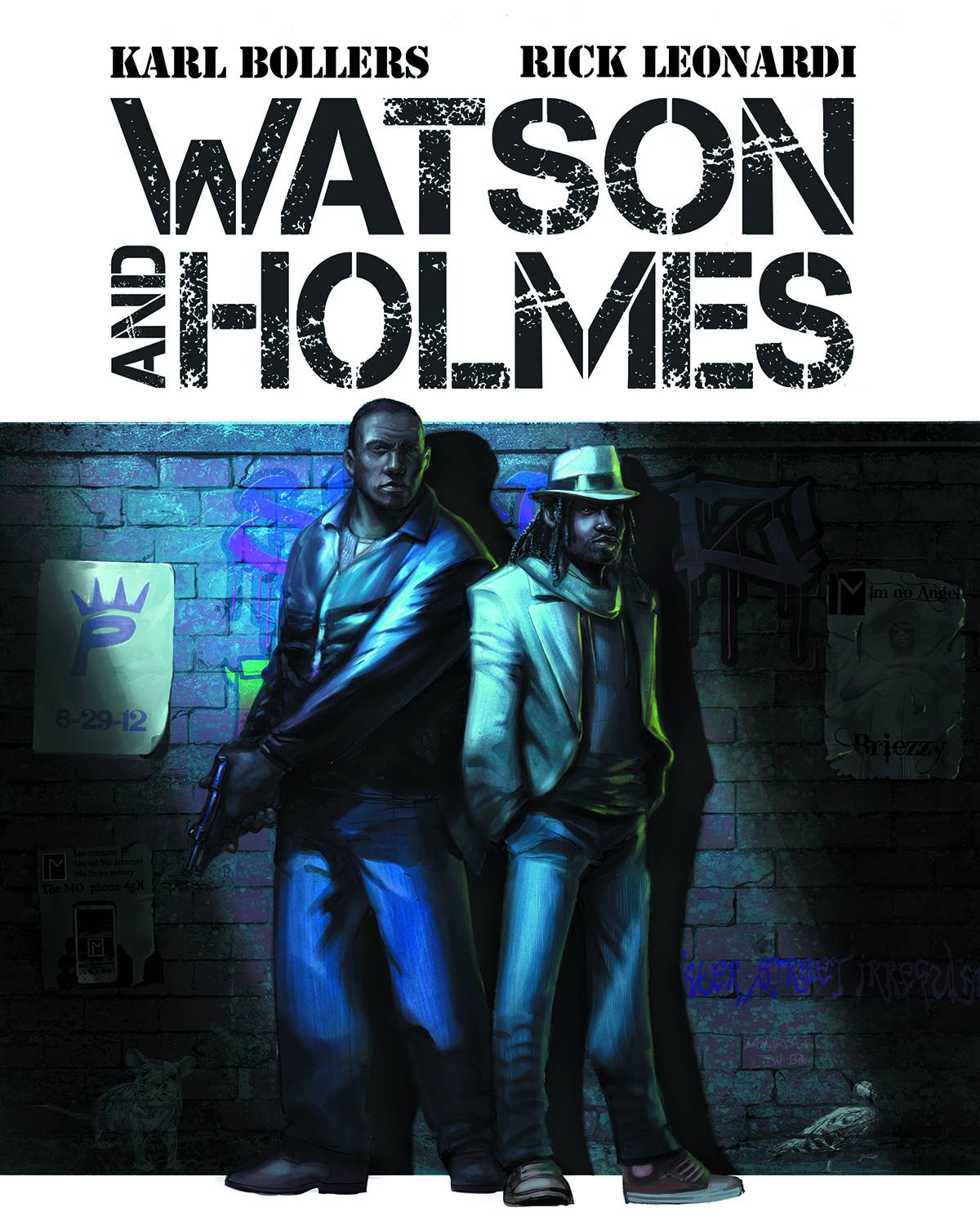
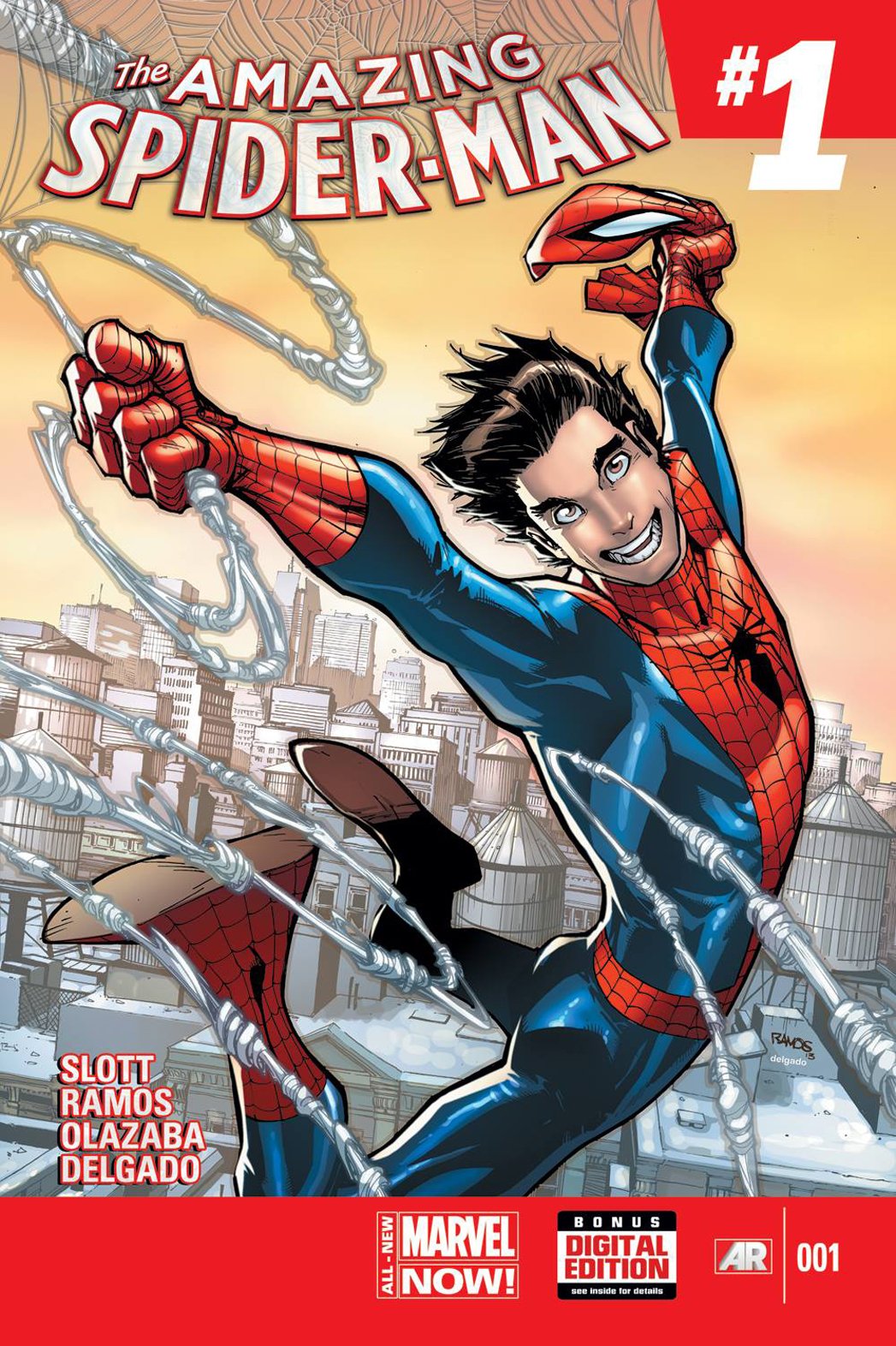
Creating entirely new pop culture properties, however, isn’t always easy. Chattanooga-based comic book author and pop culture podcaster Scott Fogg funded the creation of his own comic book “Phileas Reid Knows We Are Not Alone,” via a successful Kickstarter campaign in December 2013.The problem with diversifying pop culture, he says, is that authors working with original properties often are fighting an uphill battle to gain recognition compared to those who provide a new take on a established role.“Most people would rather pick up four different Batman books than give [a] new character a try,” Fogg says. “There have been many, many comic book characters created over the years to help with the diversity issue in comics that have faded to the background or have had their books cancelled to make room for another Batman book.“Create a new black teenage superhero? No one cares. Say he’s Spider-Man and suddenly the world’s paying attention. Sometimes, unfortunately, in order for creators to be able to tell the stories they want to tell, they have to use the toys that already currently exist in the toy box. They’re not always allowed to bring their own toys into the mix.”But it’s still important to try, says Ellen Oh, the Washington D.C.-based president of the We Need Diverse Books organization and author of the “Prophecy” young adult trilogy set in a world based on Korea.In a 2014 story on IO9.com, Oh said a diverse representation of characters of many backgrounds in pop culture can be perspective-changing on many levels. Fans who want to see greater diversity in pop culture — whether original properties or new takes on existing characters — need to support the artists who create them.“We need to see more diversity everywhere, especially in our media, which continues to perpetuate so much racism, sexism, and intolerance by their belief that a certain narrative — white, male, straight, able-bodied — is most important,” Oh says. “When you see more diversity in the books, comics, and graphic novels that our children are exposed to, you raise a new generation of kids who will embrace it.”
To fans who aren’t accustomed to its shifty ways, the landscape of pop culture must seem like a fairly untrustworthy place to navigate of late. Many familiar landmarks are changing, sometimes in dramatic fashion.
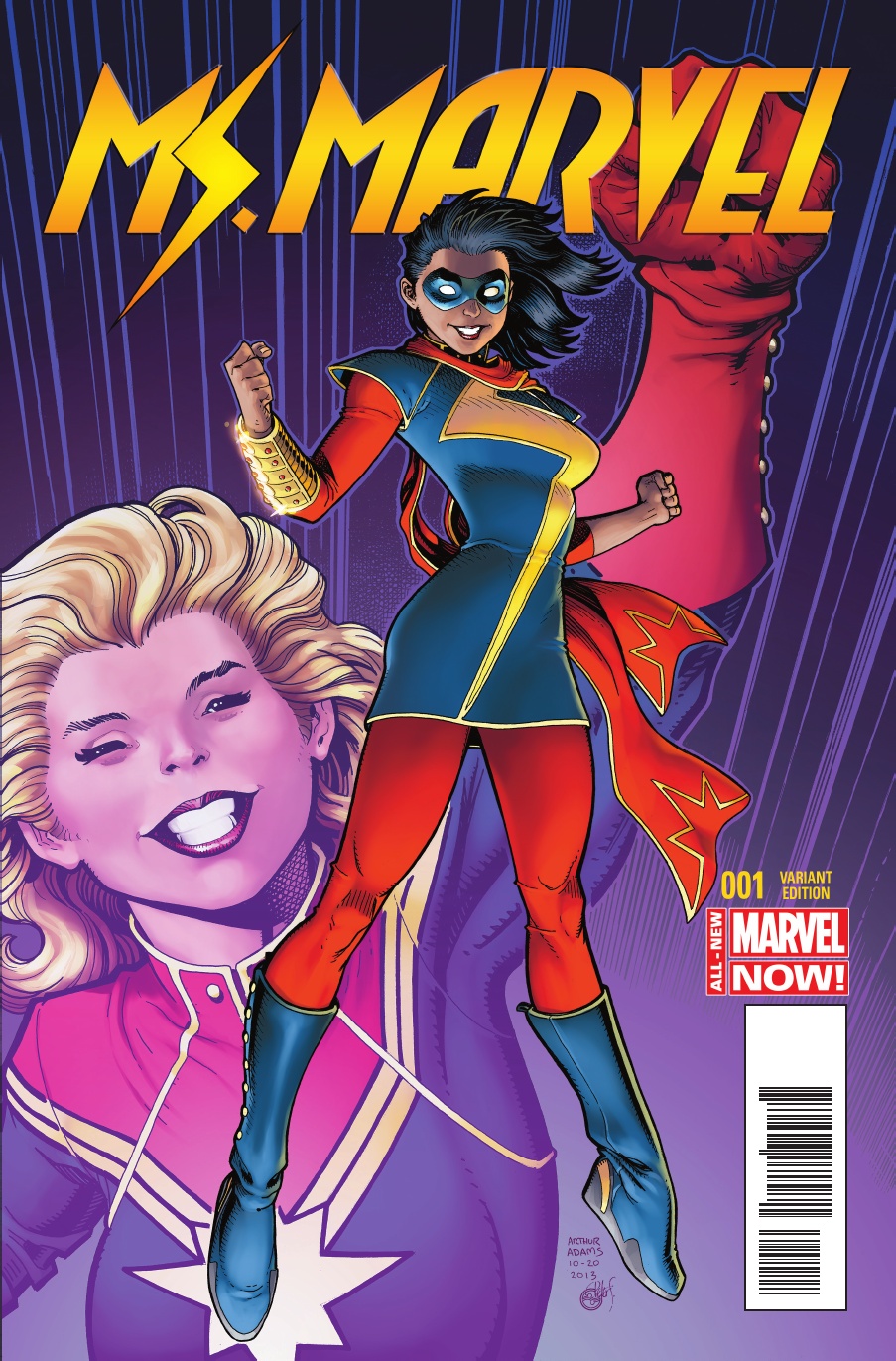
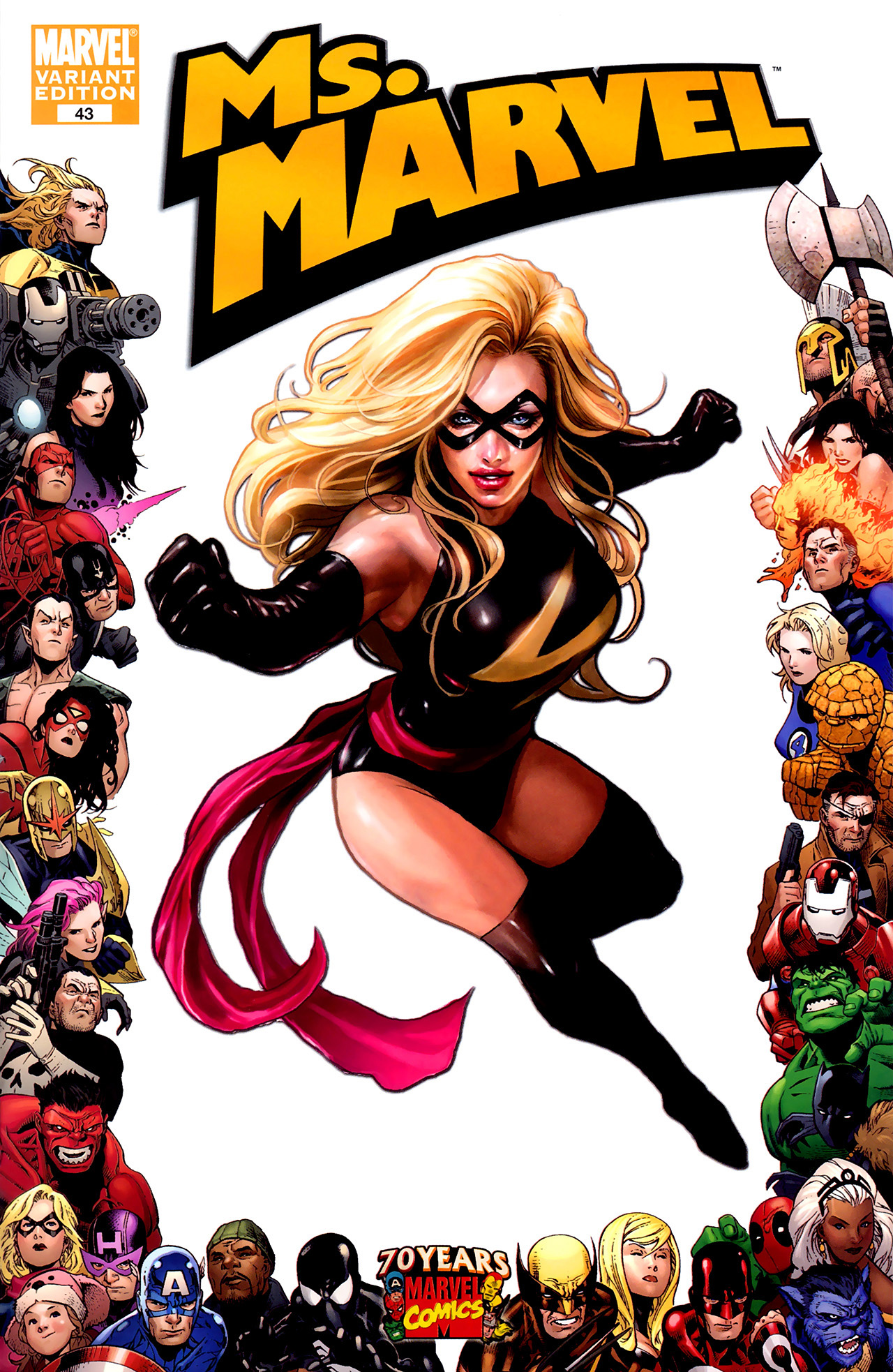
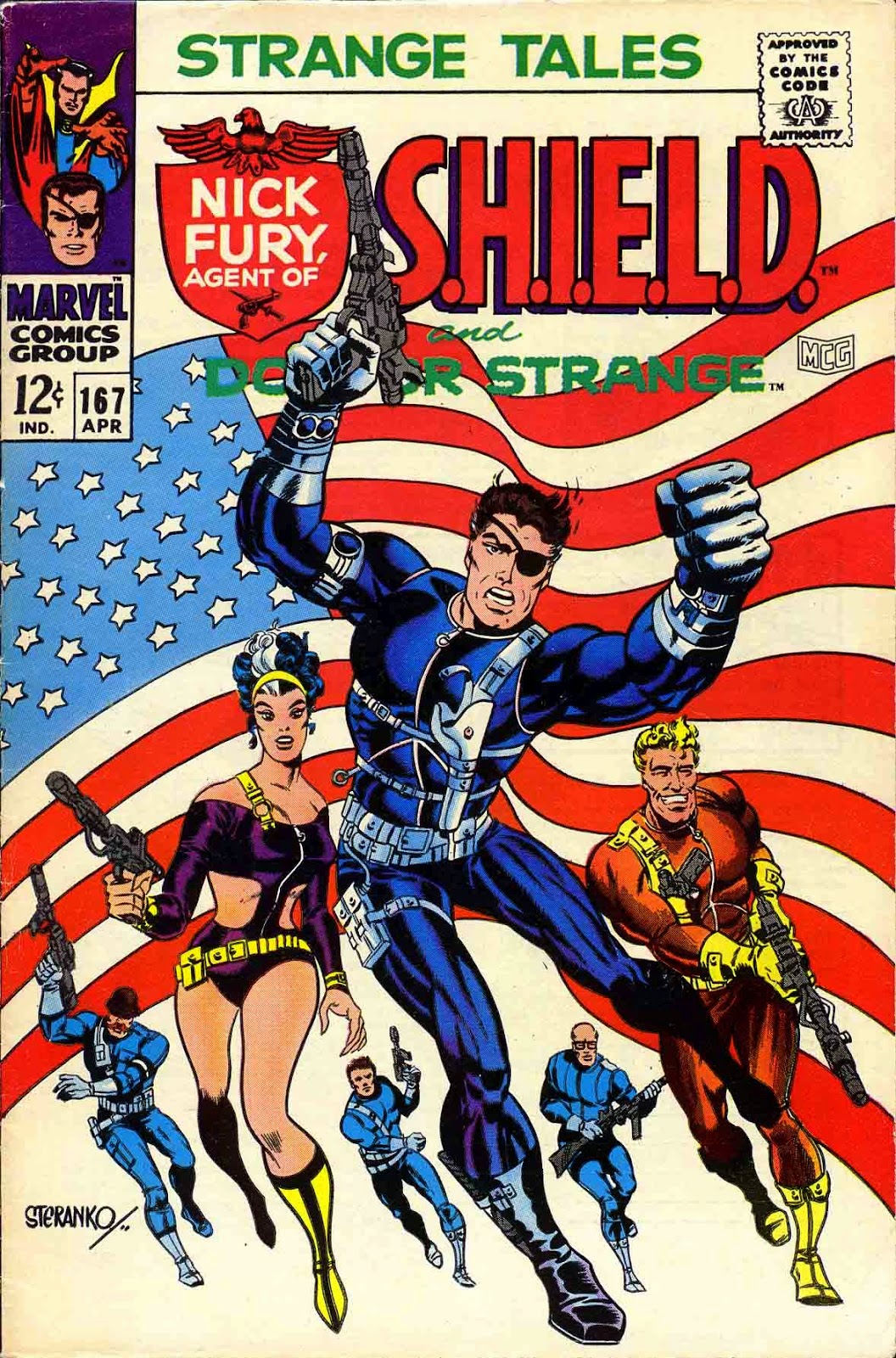
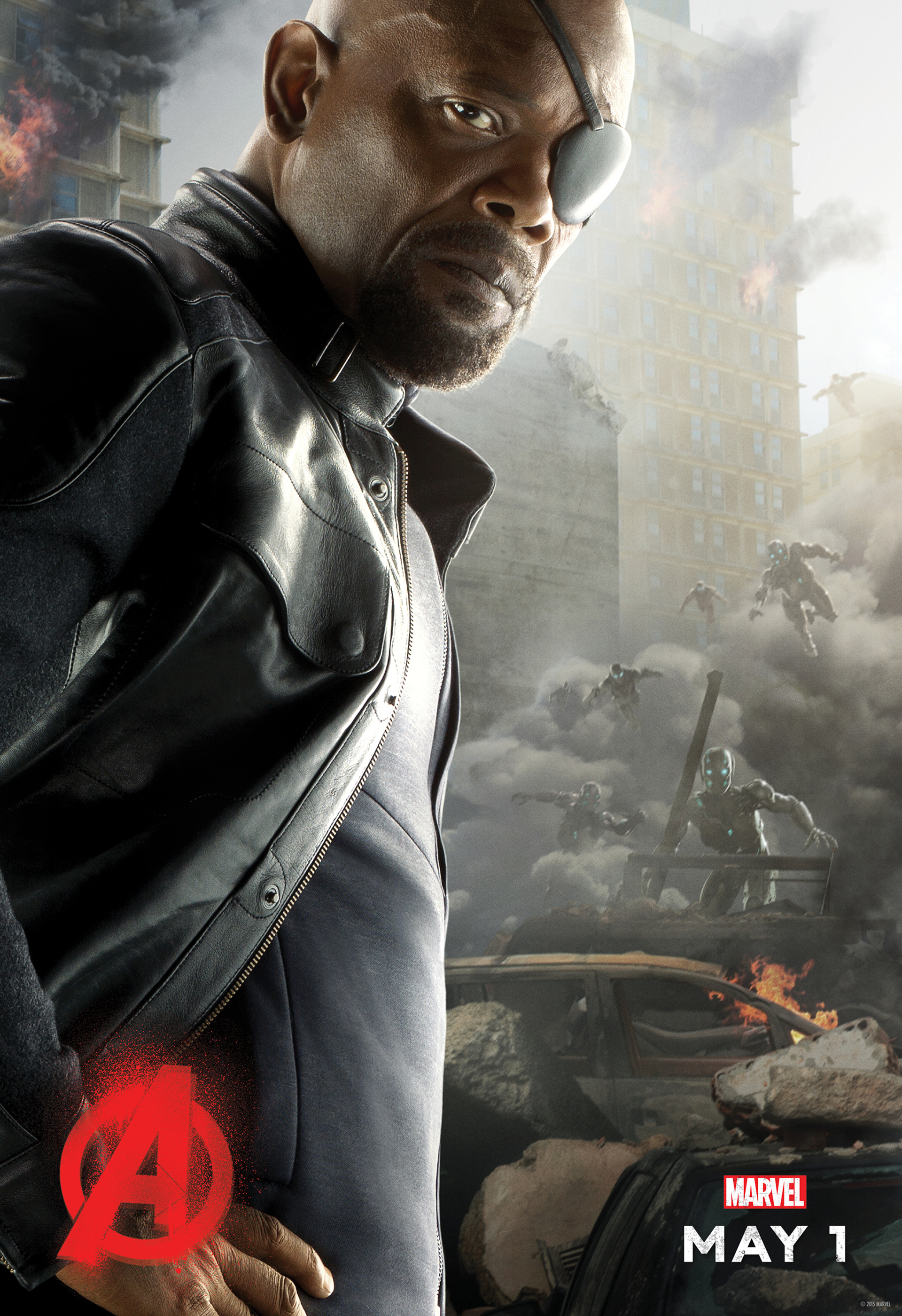
As a result of the current flux, a host of touchstone characters from movies and comics are emerging from puffs of creative smoke with new faces that bear little resemblance to the ones fans have known for decades. Gender, race and sexual inclination are all fair game when it comes to these reinterpretations.
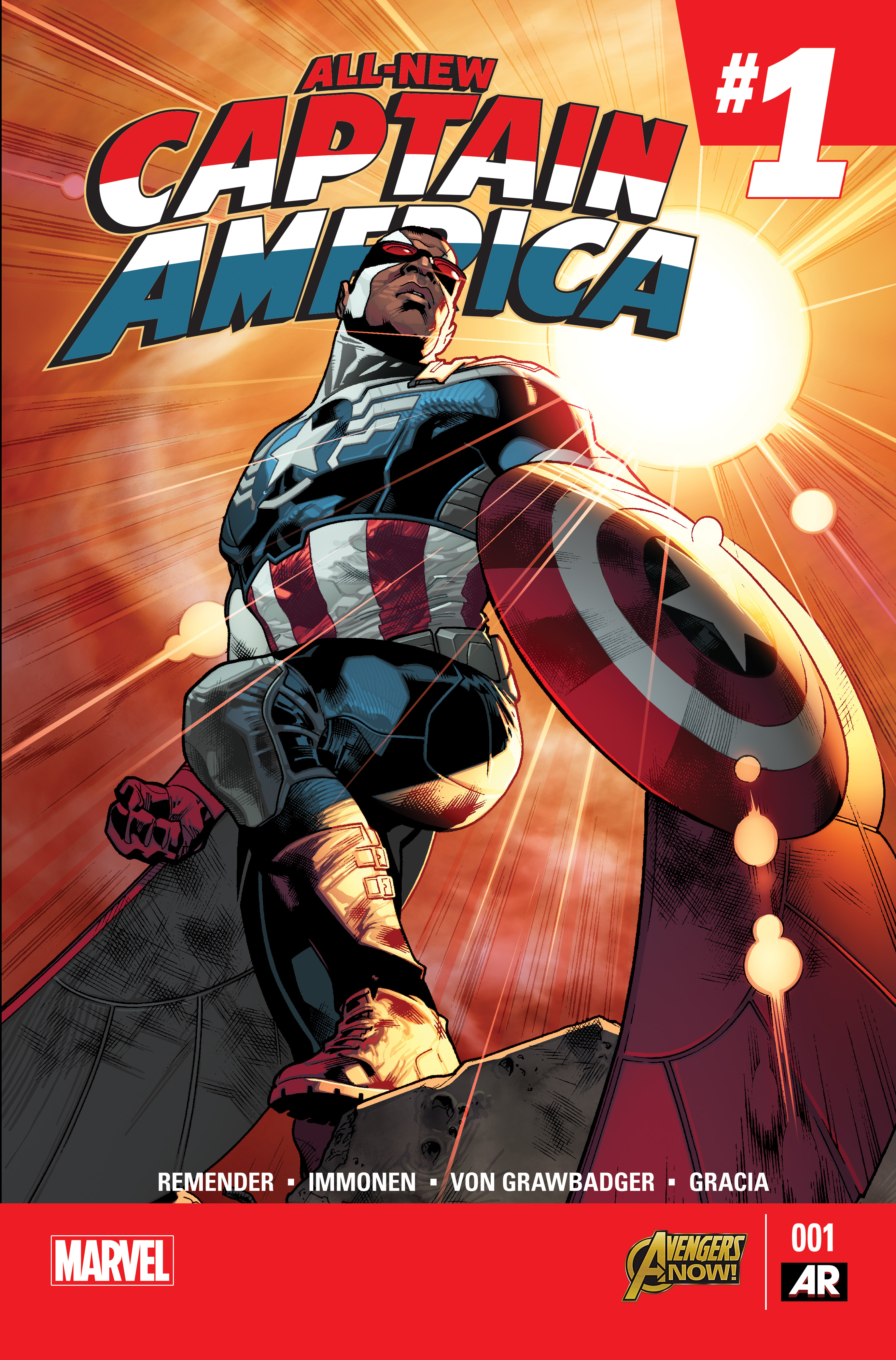
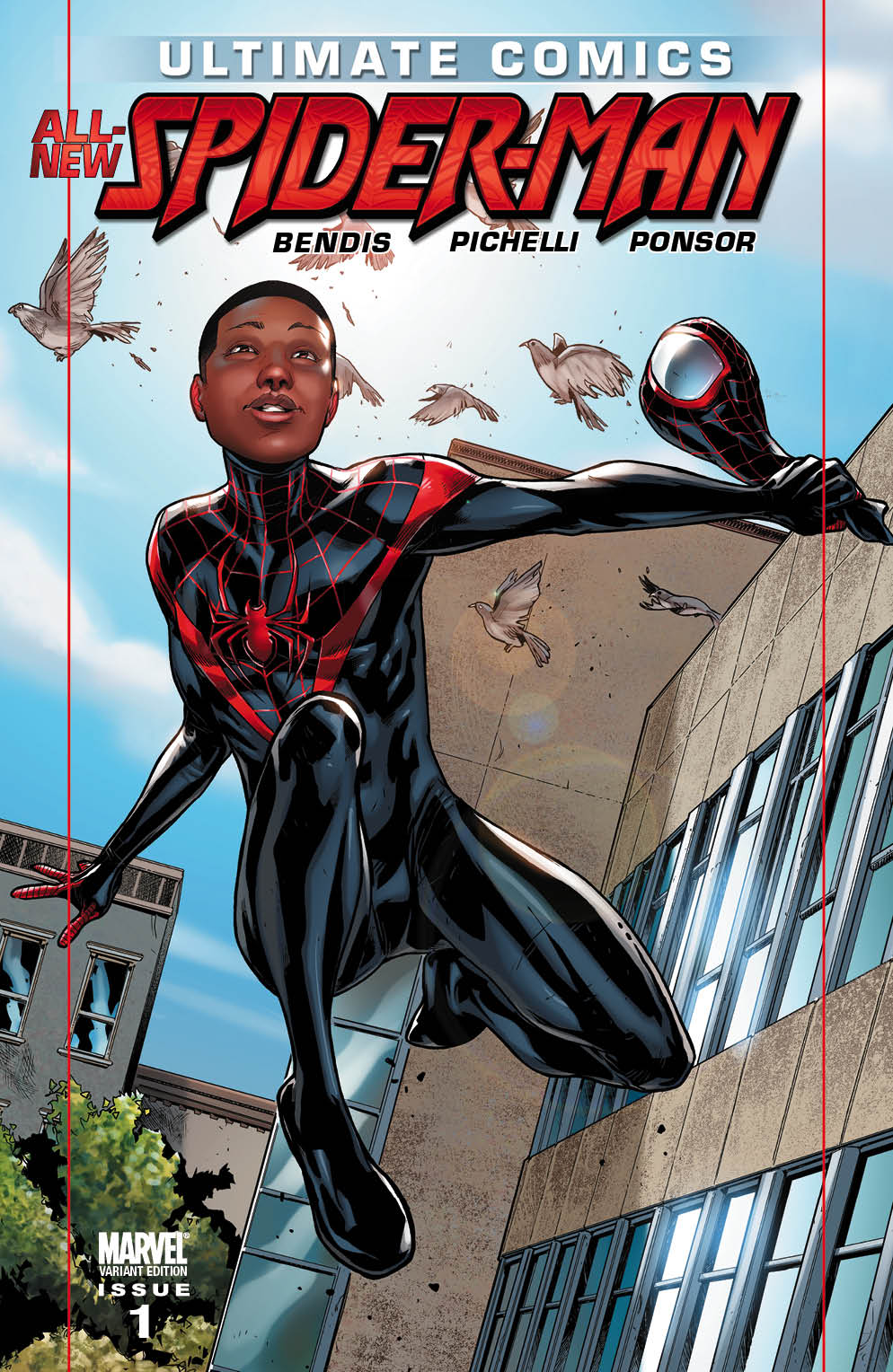
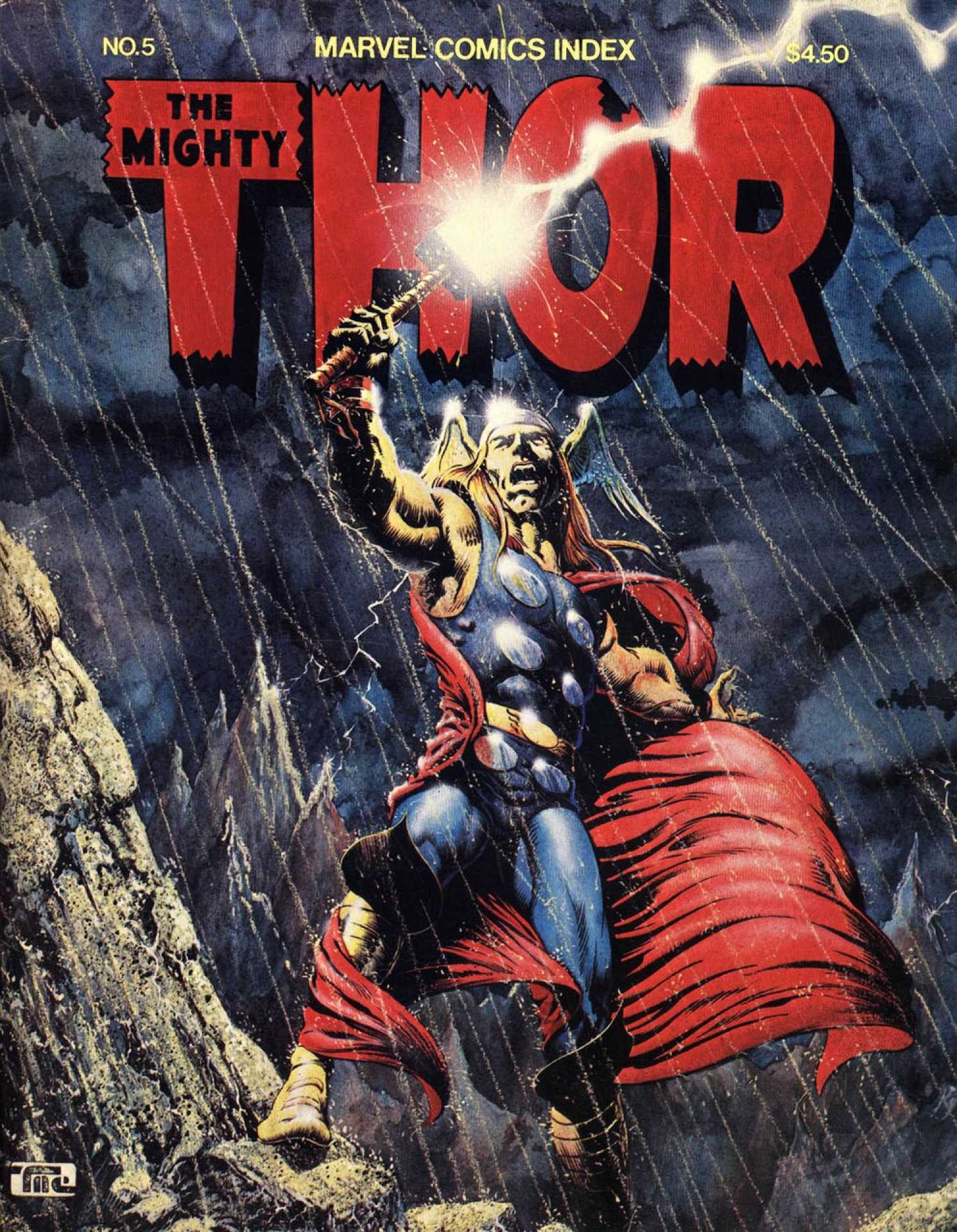
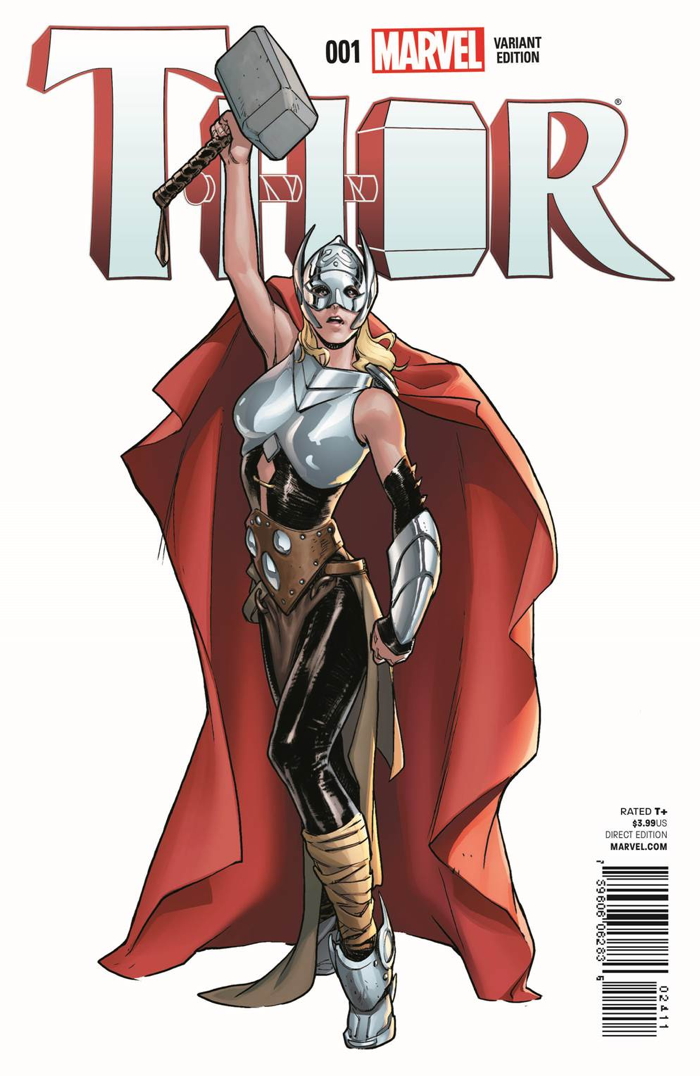
The magic hammer and winged helmet of Thor now are being wielded by a woman, and Captain America’s shield has been taken up by a black hero. The web-slinging powers of Spider-Man now belong to a mixed-race teenager and Iceman, a founding member of the “X-Men” with a laundry list of past girlfriends, recently was revealed to be gay thanks to a teammate’s mind-reading abilities. (Because comic books.)
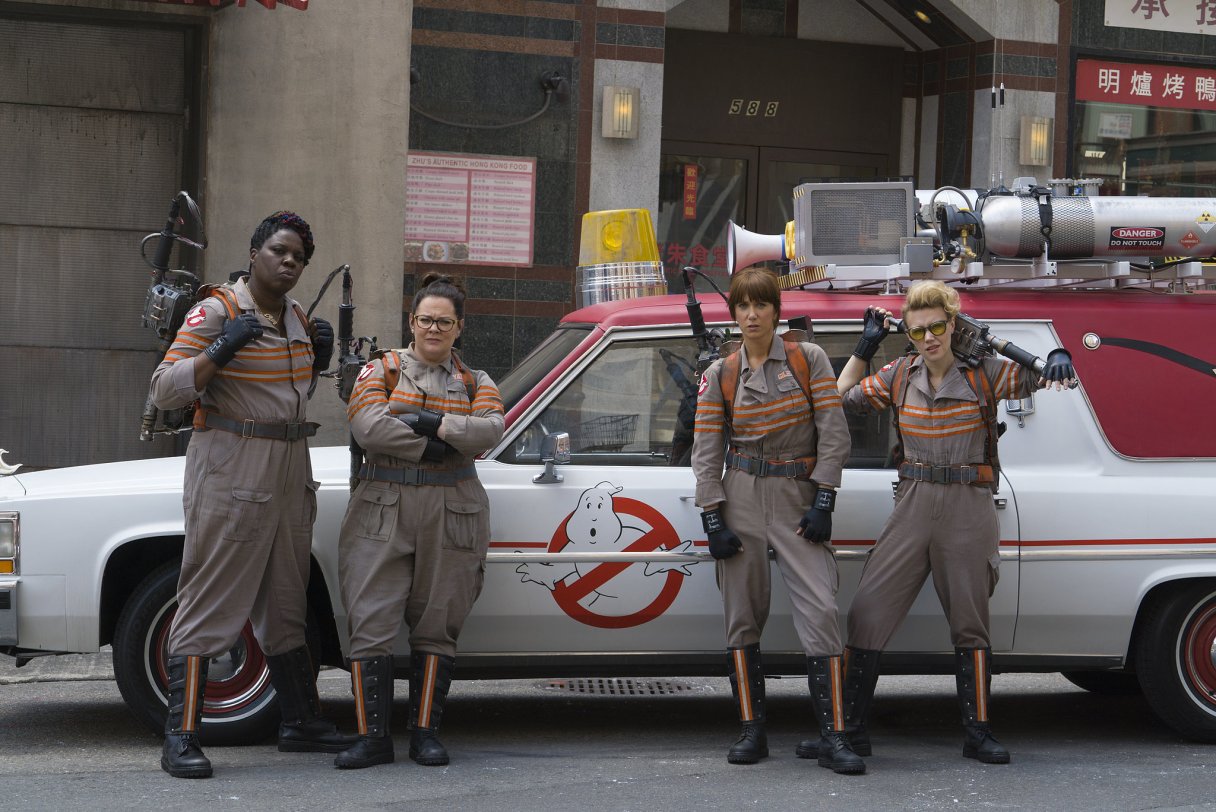
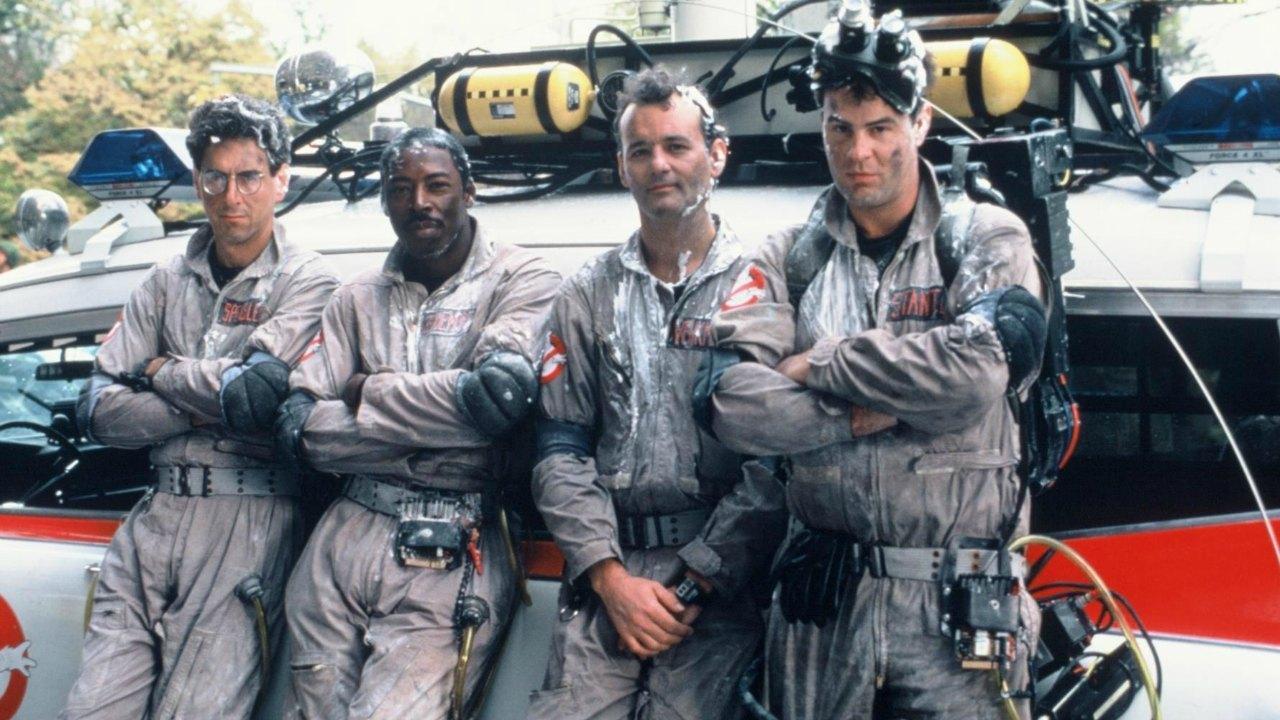
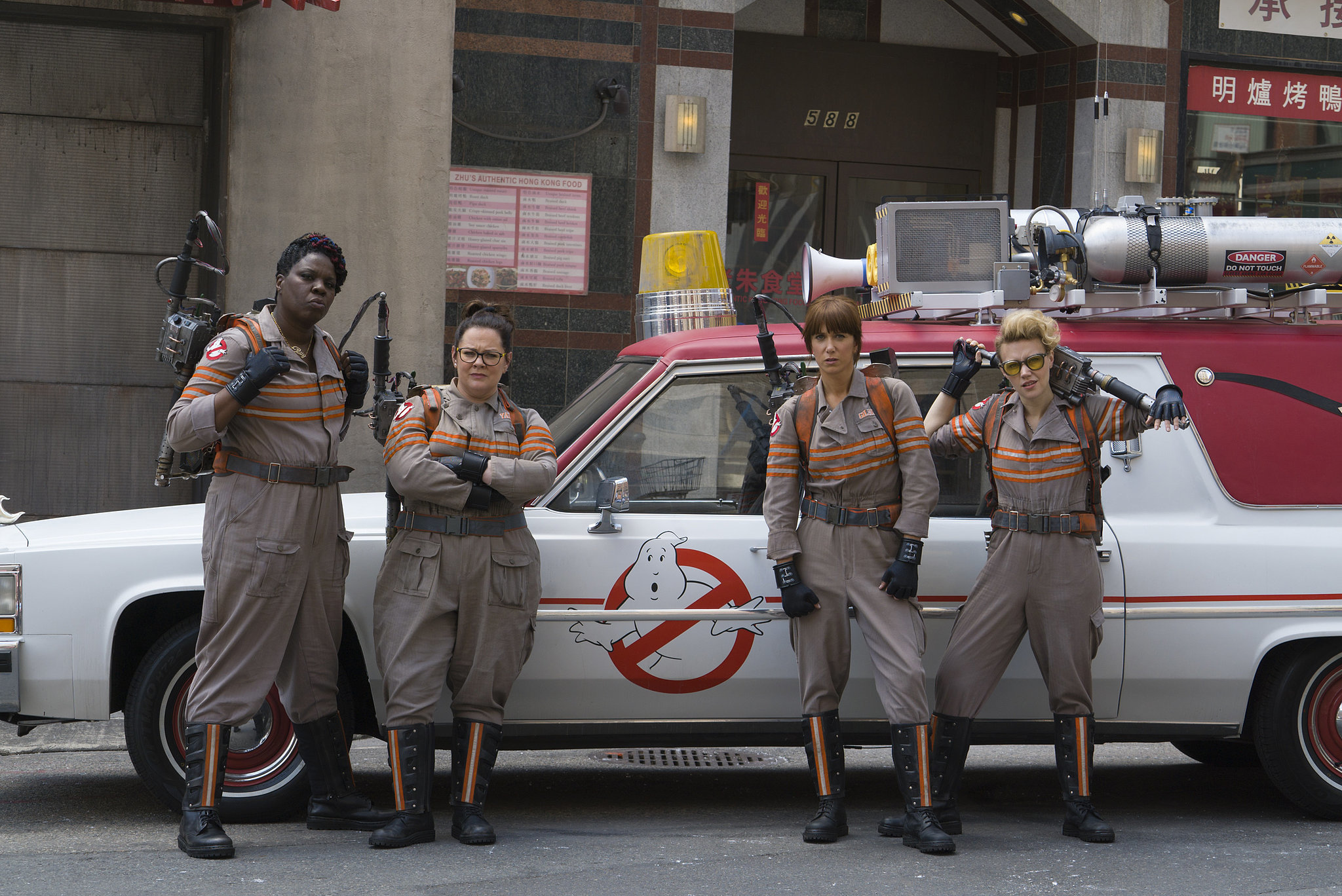
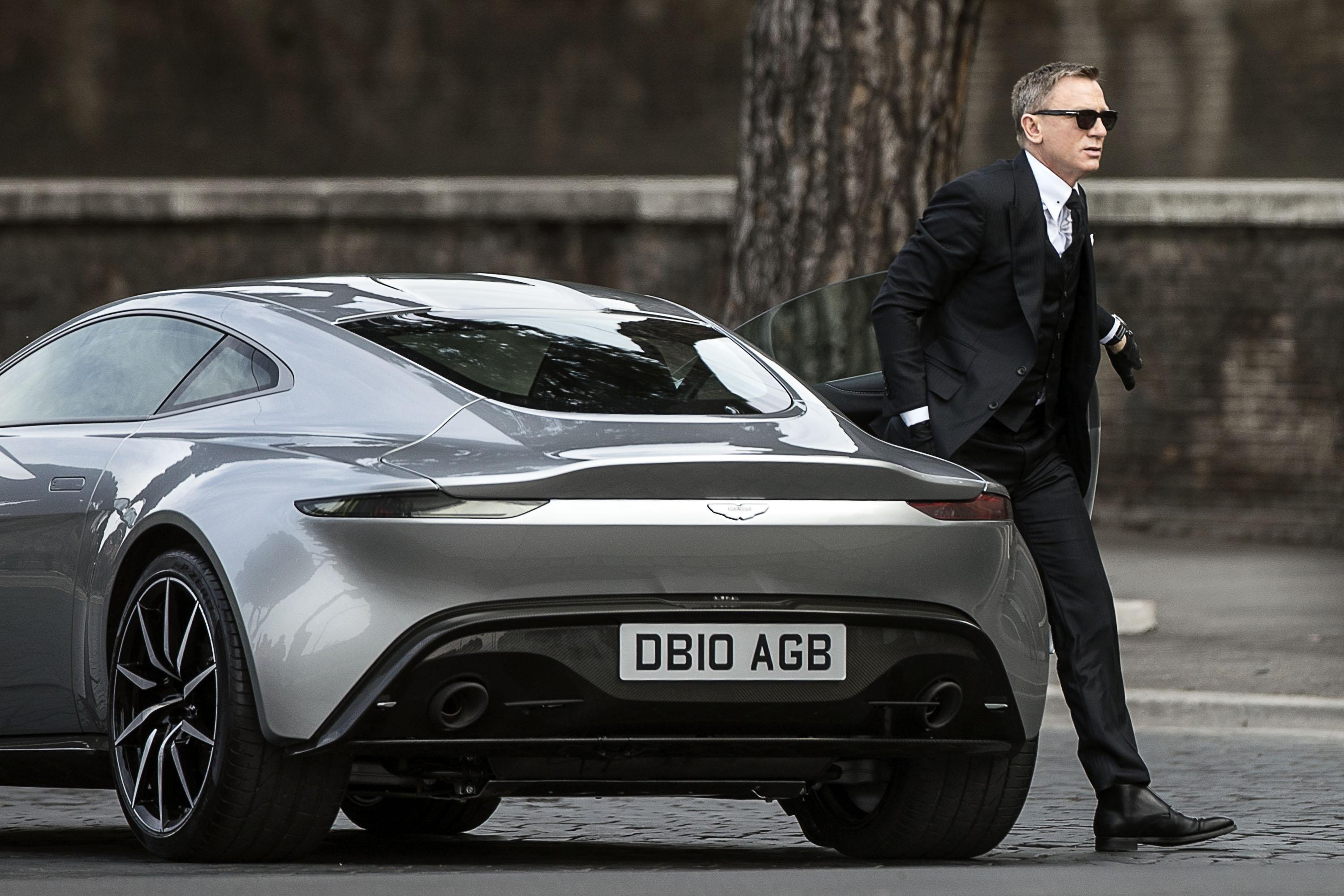
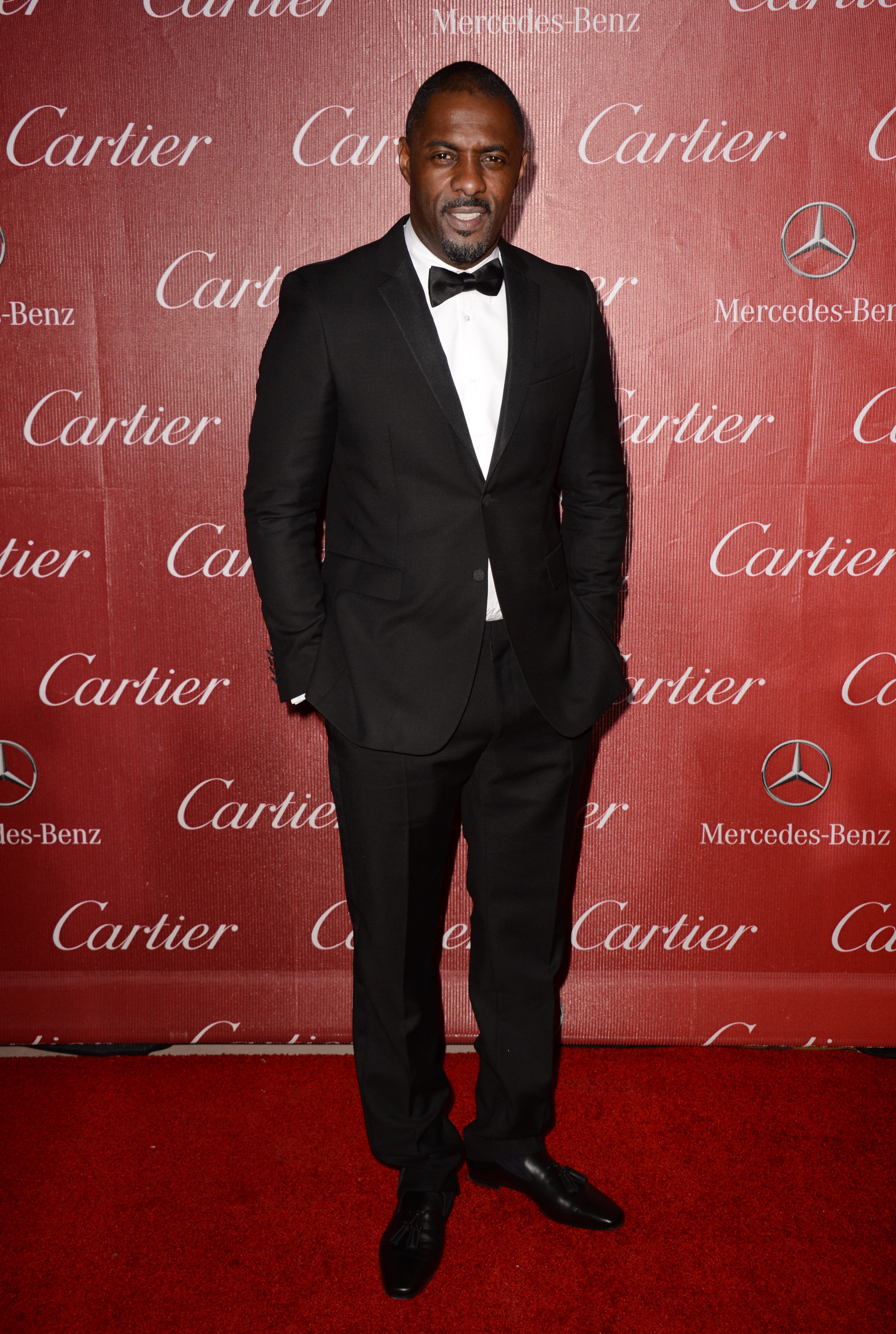
But superheroes aren’t the only ones being given a makeover. In 2016, a long-awaited reboot of “Ghostbusters” will feature four female leads in place of the all-male-cast of the first two films, and Golden Globe-winning black actor Idris Elba has been pegged as a front-runner to be the next James Bond.