
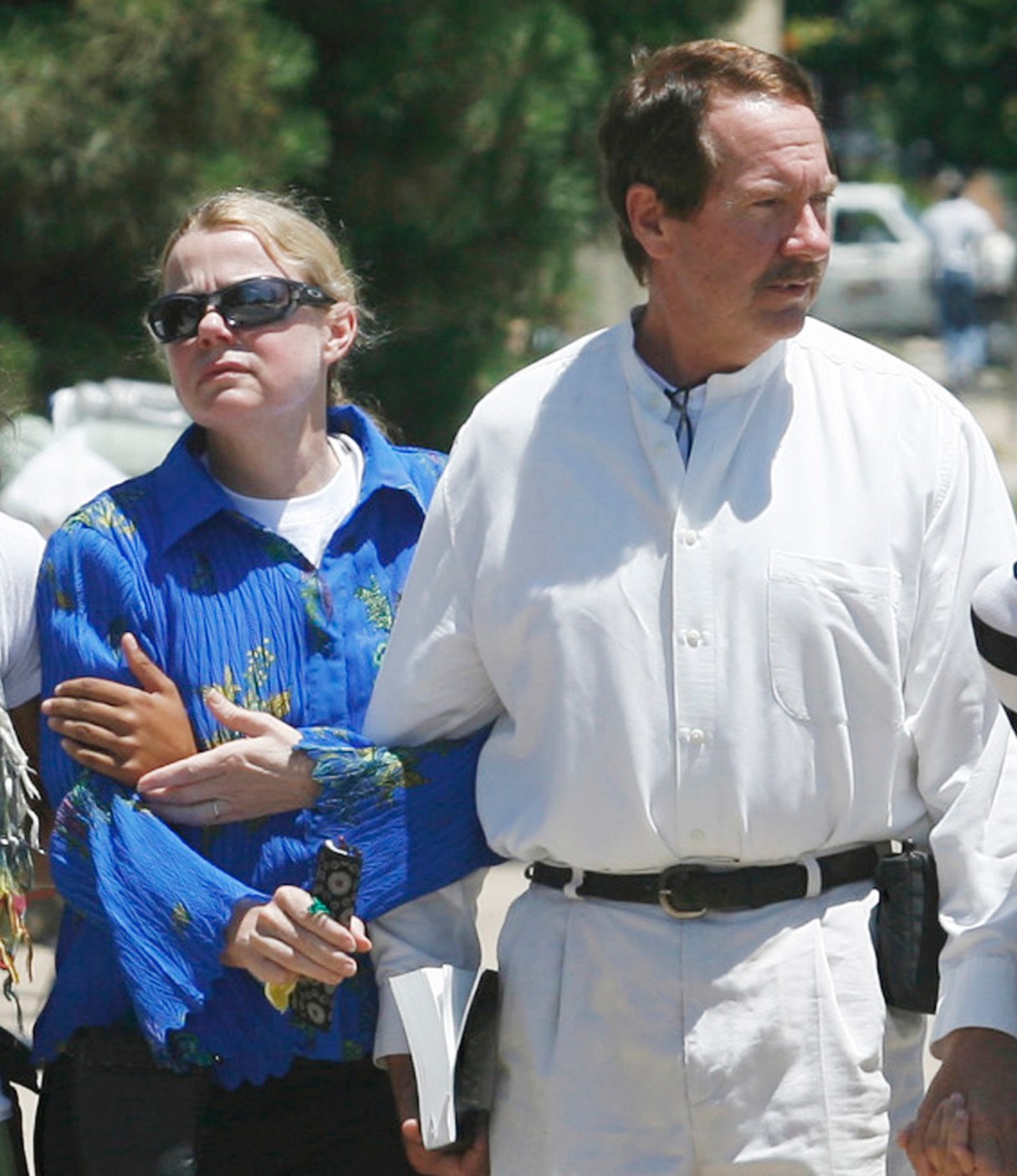
WICHITA, Kan. (AP) – The Kansas physician and his wife were convicted of a shocking crime: running a moneymaking conspiracy at a clinic prosecutors have linked to 68 drug overdose deaths.
Yet Dr. Stephen Schneider and his wife, Linda, contend they also helped people with chronic pain at their Haysville clinic, even as the doctor saw up to 100 patients a day, with pads of pre-signed prescription forms left for staff to use when he was out. Their lawyers argued during a 2010 trial that they were overwhelmed and listened to drugmakers who pushed potent narcotics.
U.S. District Judge Monti Belot will weigh such factors on Thursday when he re-sentences the couple in the wake of a ruling by the U.S. Supreme Court in a separate case.
The Schneiders were convicted of conspiracy to commit health care fraud resulting in those deaths, unlawfully prescribing drugs, health care fraud and money laundering. The doctor, now 62, was sentenced to 30 years; his wife, now 57, was sentenced to 33 years.
But the Supreme Court ruled last year that a victim’s drug use must be the actual cause of death – not just a contributing factor – to impose the harshest punishments under the federal Controlled Substances Act.